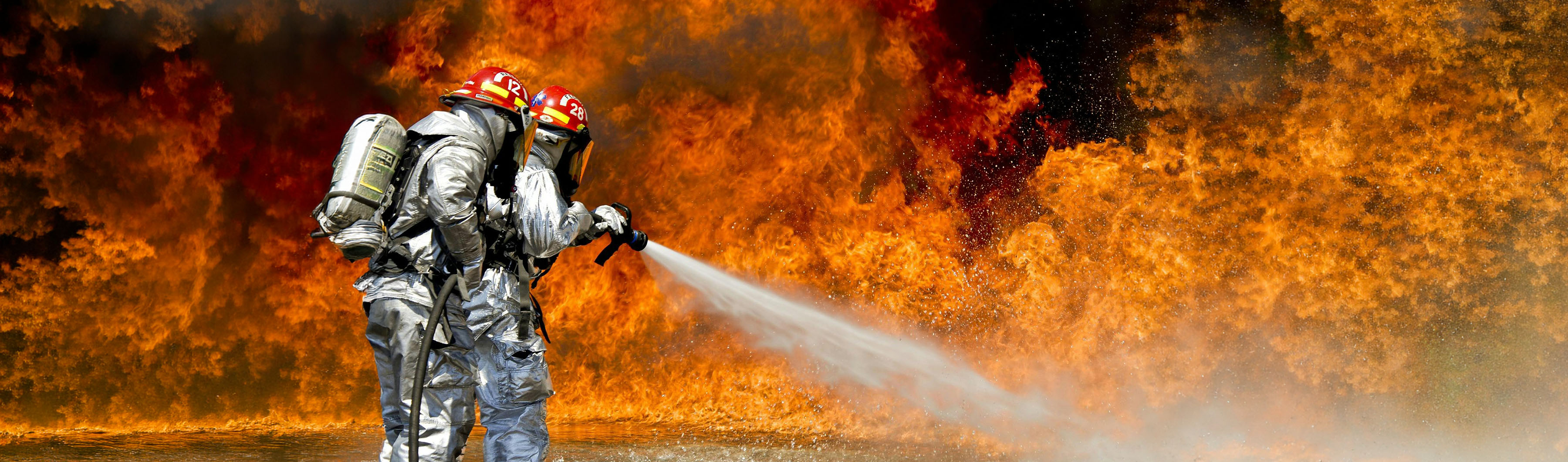
Nanobubble technology enhances fire suppression by using ultra-fine gas bubbles in water to
cool, smother, and penetrate fire zones more effectively than conventional water sprays.
This approach offers faster flame control, reduced water usage, and less collateral damage.
Key Mechanisms:
| Mechanism |
How it works |
| Cooling Enhanced |
Nanobubble water transfers heat faster, rapidly lowering the temperature below ignition point. |
| increased Penetration |
Nanobubbles infiltrate porous materials, reaching deeper into burning zones |
| Oxygen Displacement |
Inert gas nanobubbles (e.g., nitrogen) reduce oxygen near the flame, smothering combustion. |
| Reduced Water Usage |
Better cooling and inerting mean less water is needed, minimizing damage |
| Surface Interaction |
Nanobubbles improve wetting of surfaces, preventing reignition. |
Advantages Over Conventional Systems:
| Advantage |
Impact |
| Faster suppression time |
Quicker control of fire spread |
| Lower water consumption |
Minimizes water damage to property and electronics |
| Eco-friendly |
No harmful chemical agents like halon |
| Dual-action |
Cooling + oxygen displacement in one system |