Advanced Disease Control in Aquaculture Using NICO Ozone Nanobubble Technology
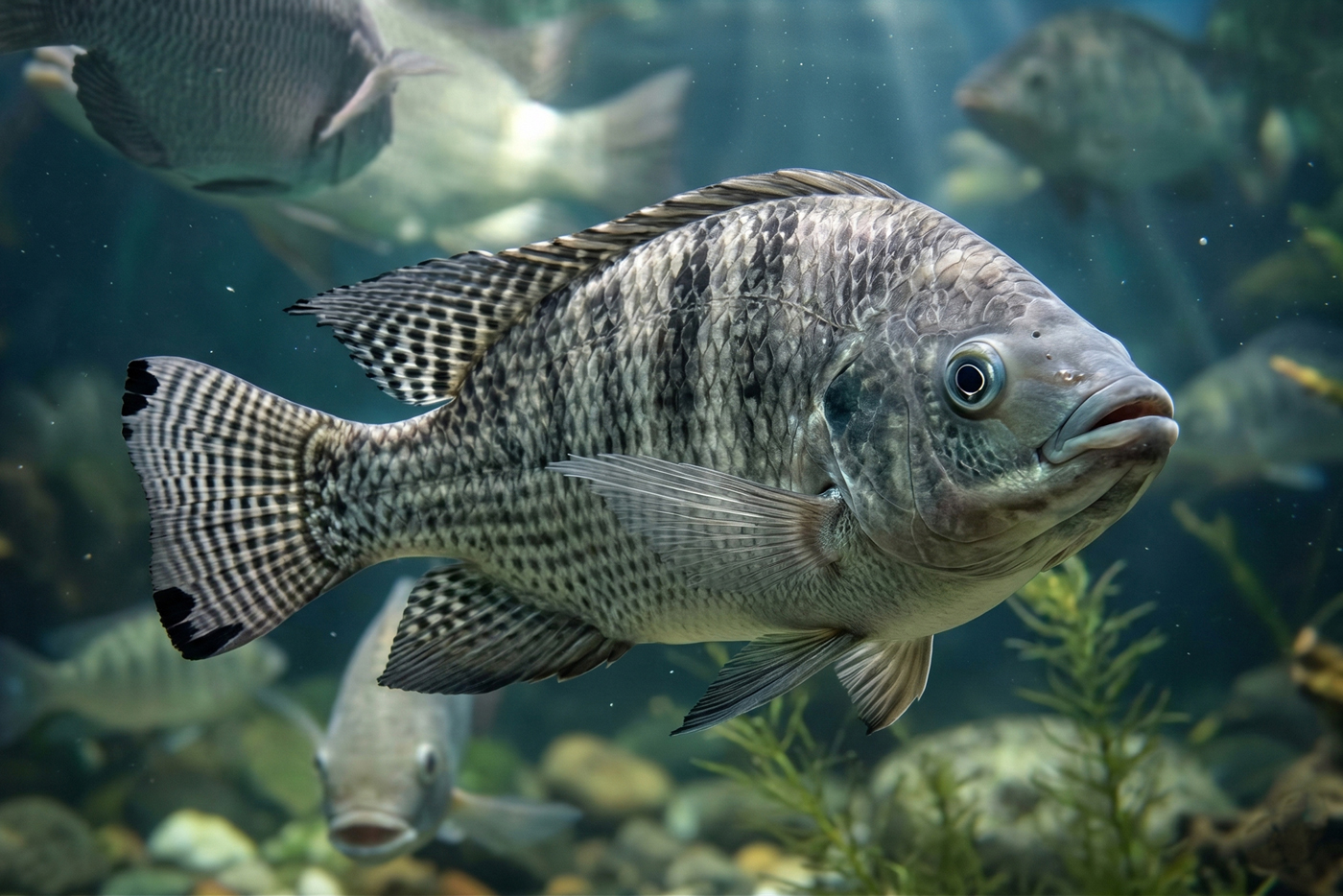
Disease outbreaks in aquaculture are primarily driven by poor water quality, microbial contamination, and oxidative stress. Conventional treatment methods often rely on chemicals or antibiotics, leading to increased costs, resistance risks, and environmental concerns.
This case study, conducted in collaboration with the Kerala University of Fisheries and Ocean Studies (KUFOS), evaluates the role of NICO Nanobubble Technology in improving water quality, reducing microbial stress, and enhancing fish health through controlled oxidative and oxygenation mechanisms.
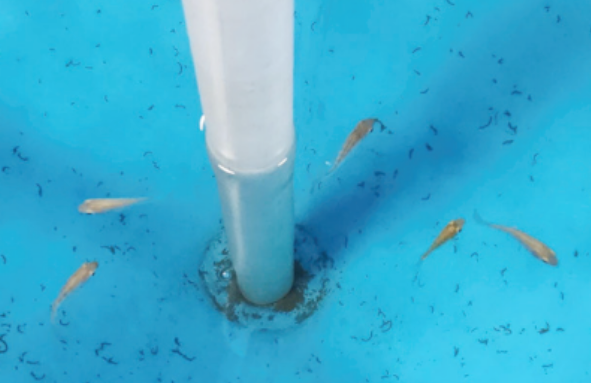
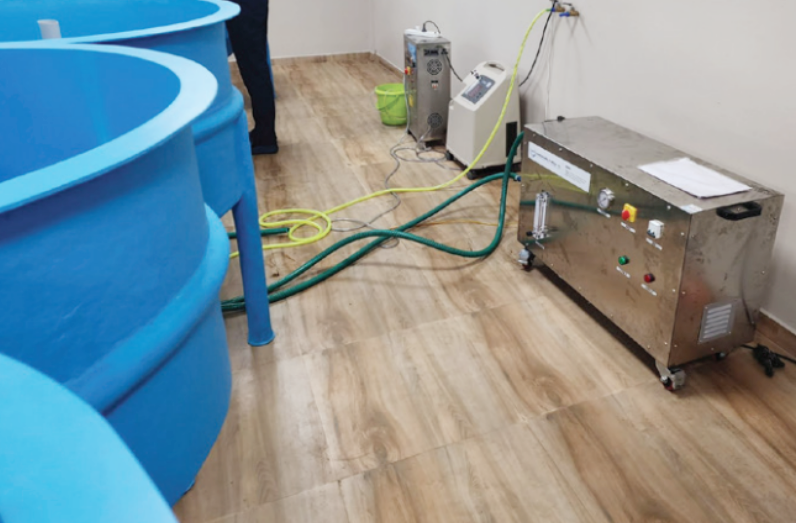
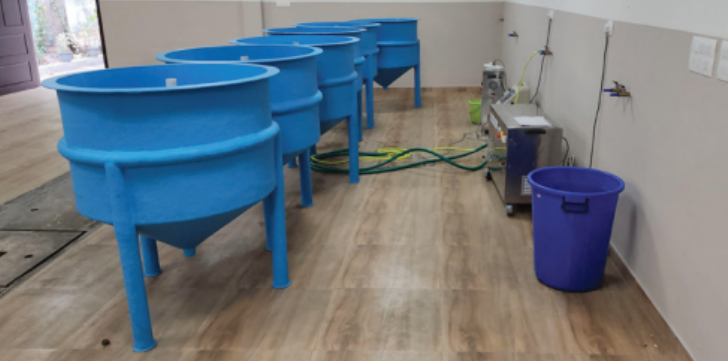
NICO’s nanobubble-based system capable of delivering oxygen and oxidative conditions (via controlled ozone integration) to improve water hygiene and fish health.
The system ensures non-invasive, chemical-minimized disease control, improving both water and biological health simultaneously.
| Parameter | Unit | Conventional System | NICO Nanobubble System |
|---|---|---|---|
| Microbial Load | - | High | Significantly Reduced |
| Cortisol Levels (Stress Indicator) | mg/mL | < 20 | < 10 |
| Ammonia Levels | mg/L | Fluctuating / Elevated | Controlled (stable up to 8 h) |
| Oxidative Stress Markers | - | Higher | Reduced (AChE, SOD, CAT, GPx) |
| Fish Health | - | Stress-prone | Improved immunity & resilience |
| Water Clarity | - | Moderate / Biofilm present | Improved clarity, reduced biofilm |
The integration of nanobubble-based oxidative treatment resulted in substantial improvements in fish health and disease resistance:
The study demonstrates that NICO’s nanobubble technology, when applied with oxidative capability, offers an effective and sustainable solution for disease control in aquaculture systems. By simultaneously improving water quality, reducing microbial stress, and enhancing fish immunity, the technology provides a holistic approach to aquatic health management.
This positions nanobubble technology as a next-generation alternative to chemical-based disease control strategies in aquaculture.