Enhancing Oxygenation Efficiency and Stability in Aquaculture Using Nanobubble Technology
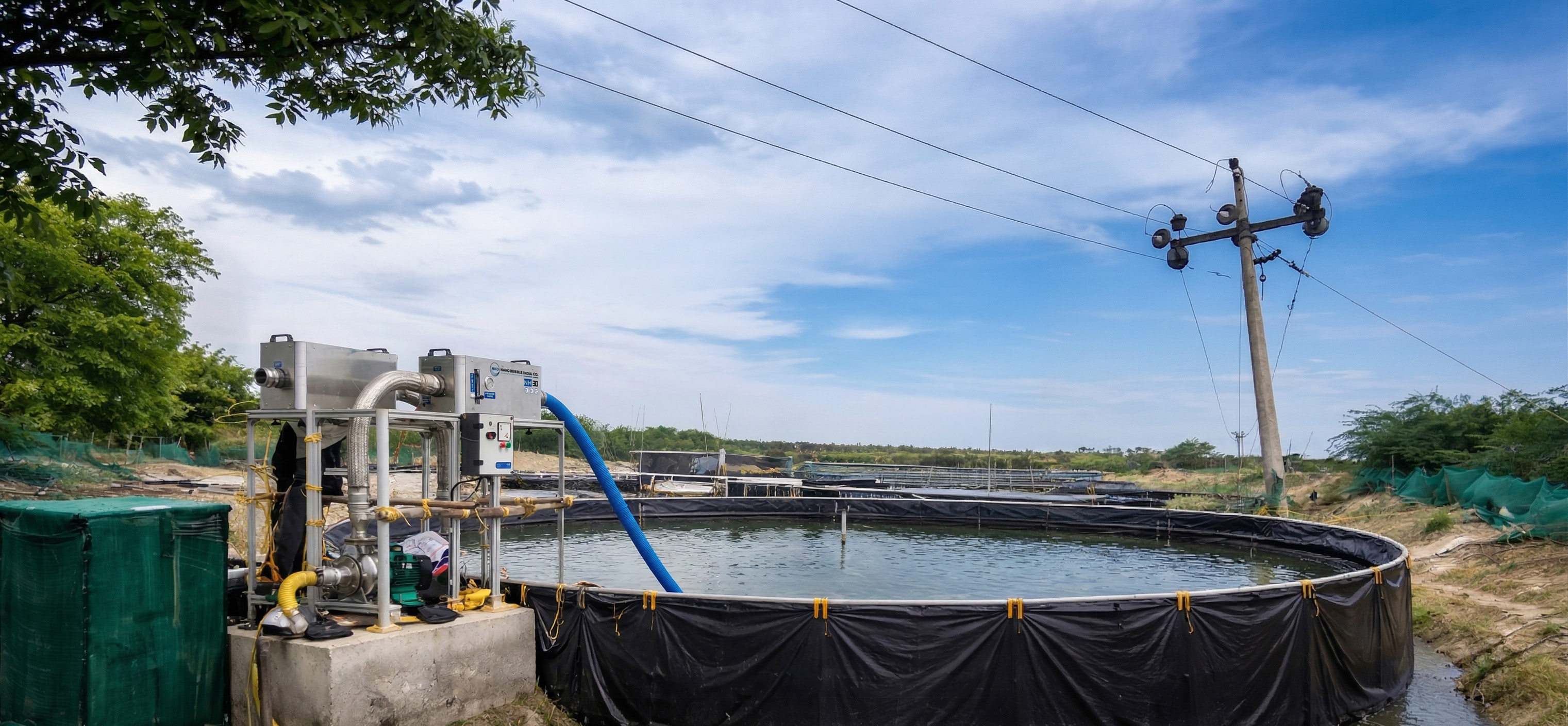
Maintaining stable dissolved oxygen (DO) levels is critical for aquaculture productivity, fish health, and system efficiency. Conventional aeration systems often struggle to provide uniform and sustained oxygenation, especially under high stocking densities and dynamic loading conditions.
This case study evaluates the performance of NICO Nanobubble Technology in enhancing dissolved oxygen levels and stability under controlled aquaculture conditions, with comparative assessment against conventional aeration systems.
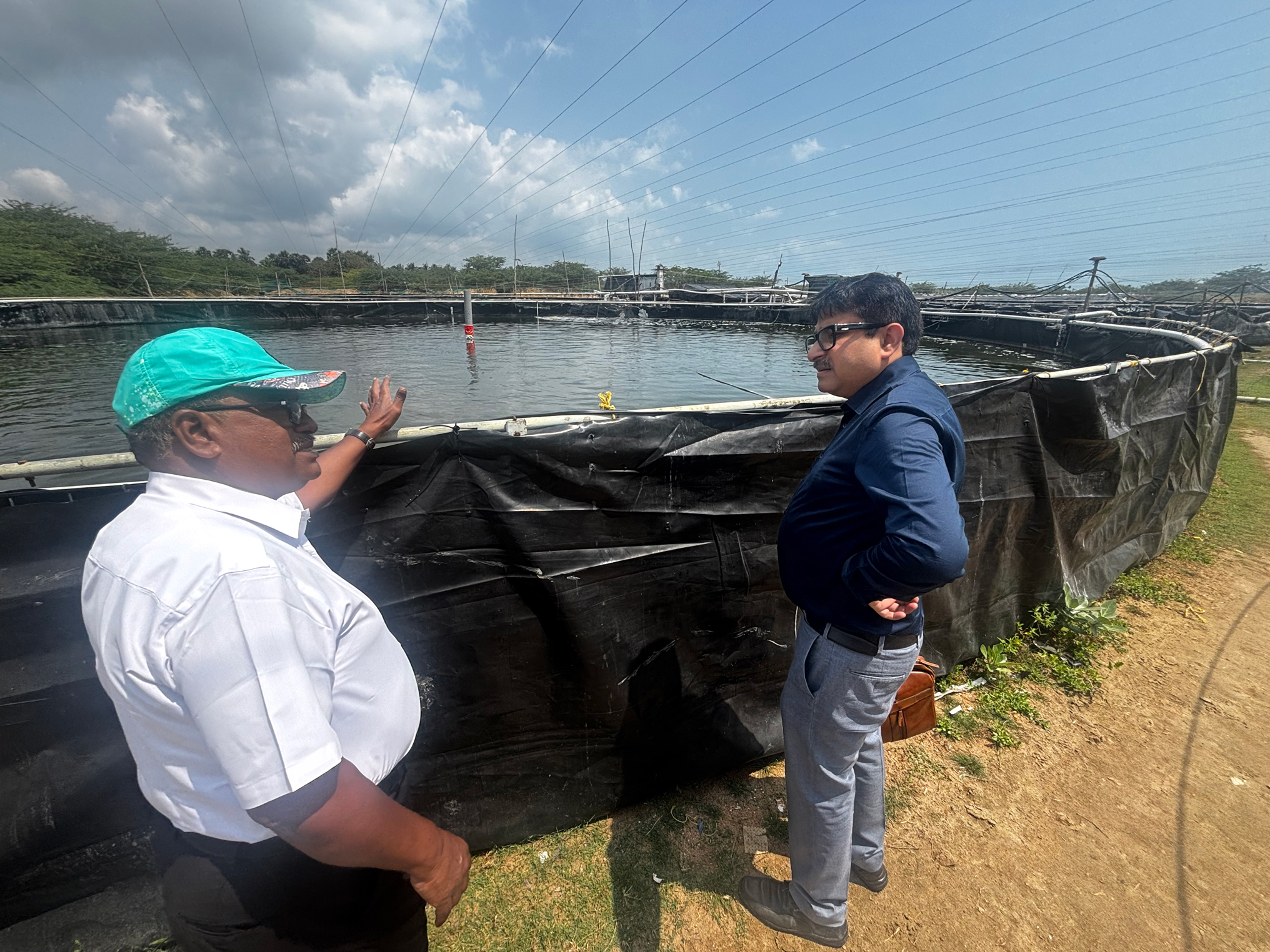
Prior to optimized nanobubble implementation, the system exhibited several operational challenges:
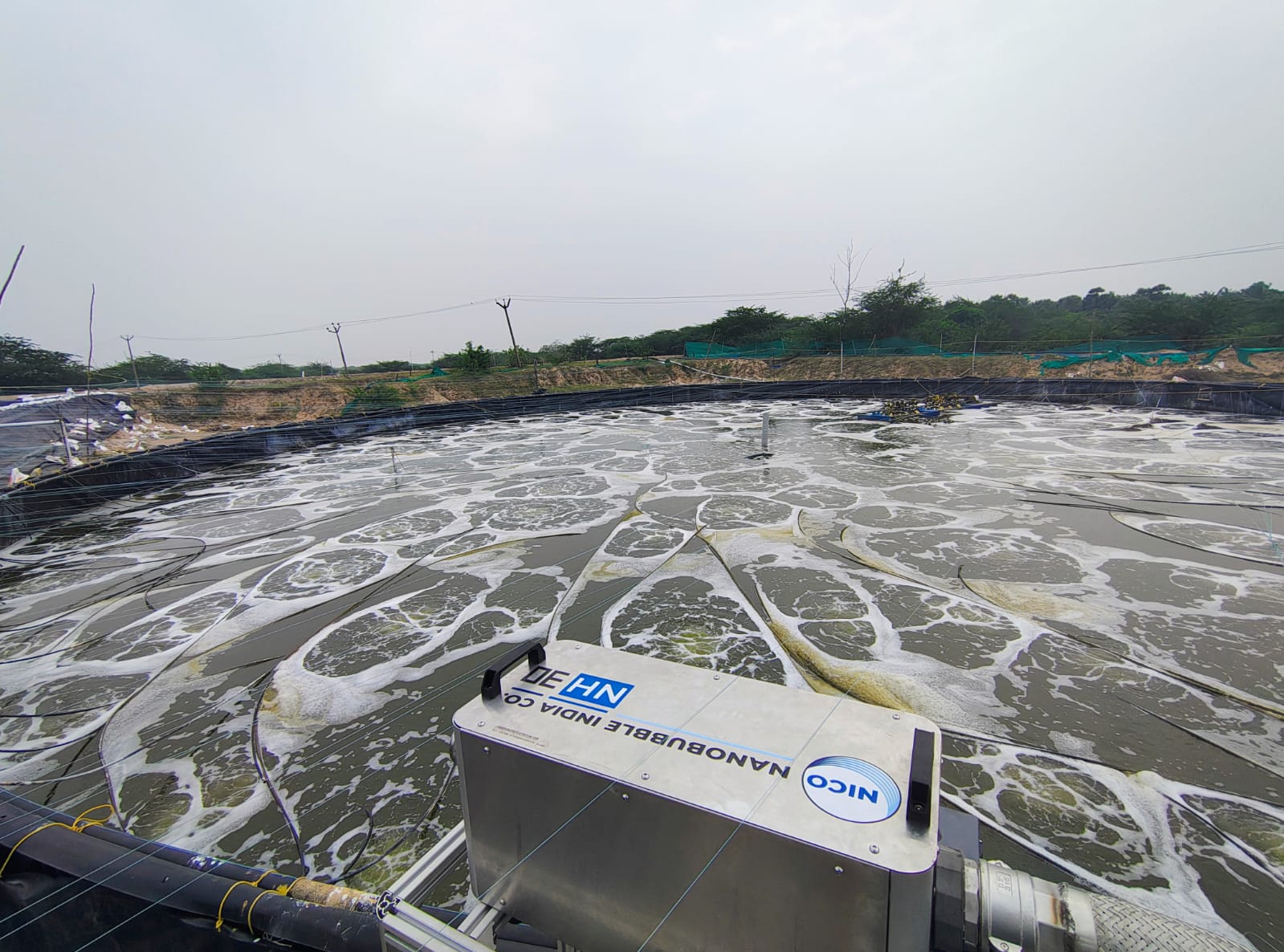
The study utilized NICO nanobubble systems configured for oxygen-based operation, designed to generate ultra-fine bubbles (<200 nm) capable of remaining suspended and enhancing oxygen transfer efficiency
Phase 1: Hybrid System (Nanobubble + Conventional Aeration)
Phase 2: Optimized System (Nanobubble-Only Operation)
| Parameter | Unit | Conventional / Hybrid System | Nanobubble-Only System |
|---|---|---|---|
| DO Stability | - | Fluctuating | Stable and increasing |
| Peak DO Levels | mg/L | ~5–6 | Up to 15.3 |
| Oxygen Retention | - | Low (rapid loss) | High (sustained levels) |
| Distribution | - | Non-uniform | Uniform across tank |
| System Efficiency | - | Limited | Significantly improved |
| Operational Dependency | - | Continuous aeration required | Reduced dependency |
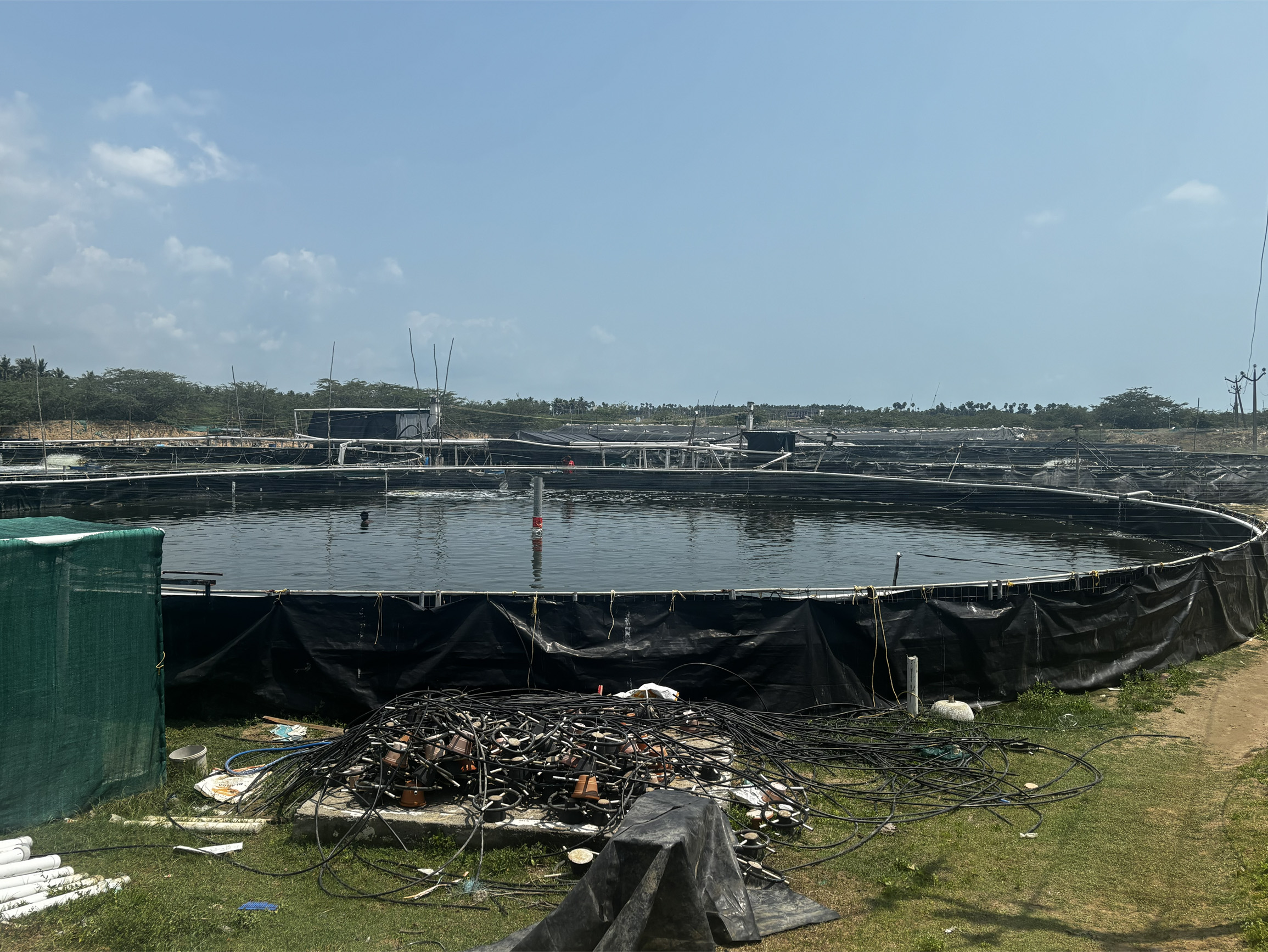
The optimized nanobubble implementation resulted in significant performance improvements:
The study demonstrates that NICO nanobubble technology significantly improves oxygenation efficiency in aquaculture systems when operated under optimized conditions. While conventional aeration systems can disrupt nanobubble stability, a properly configured nanobubble-only system delivers superior dissolved oxygen levels, enhanced stability, and improved operational efficiency.
This case study highlights the importance of system design alignment and confirms that nanobubble technology offers a high-performance alternative to conventional aeration, particularly for applications requiring sustained and efficient oxygen delivery.