Enhancing Aeration Efficiency Using NICO Nanobubble Technology
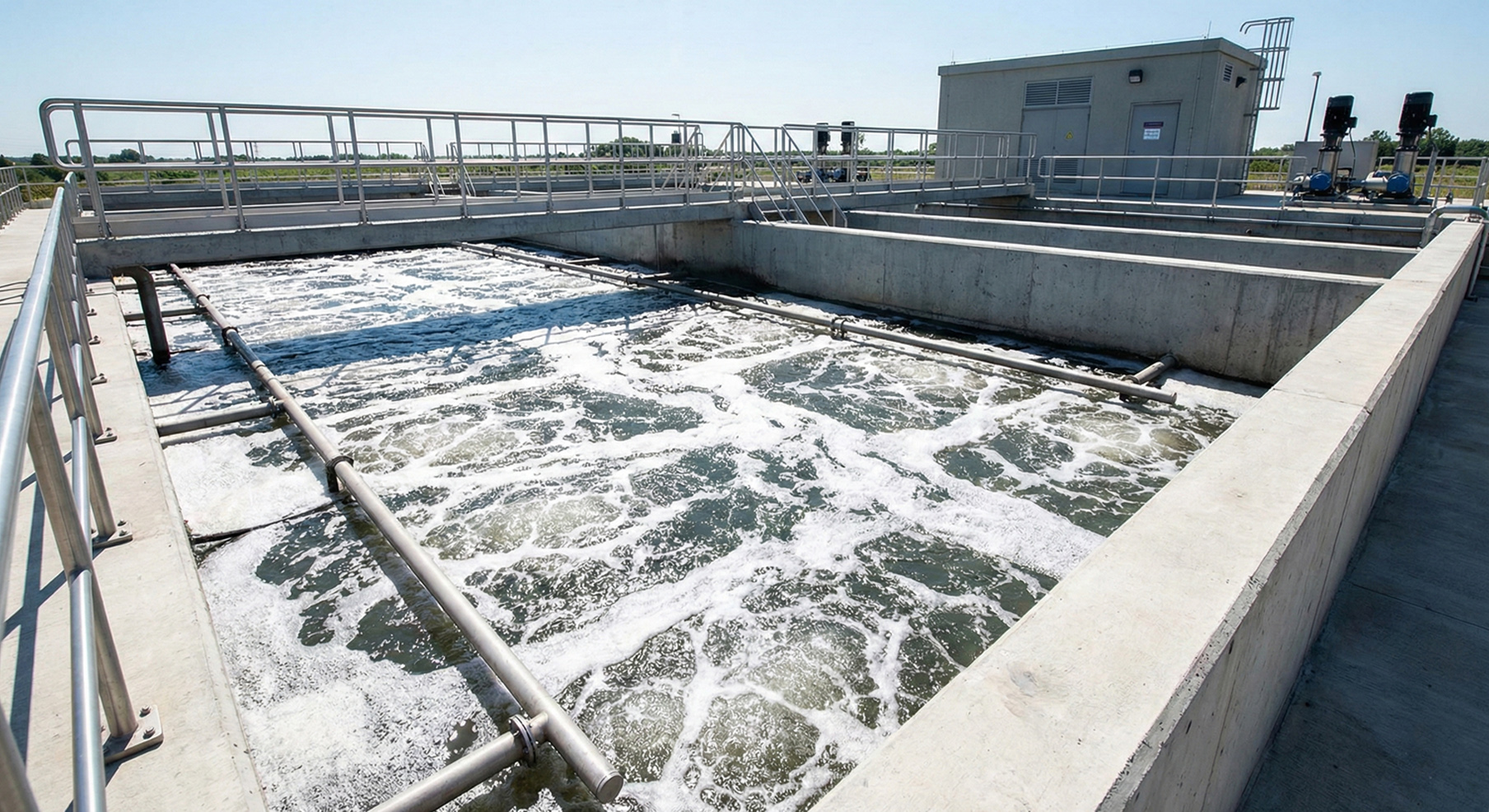
Aeration is the most energy-intensive process in biological wastewater treatment, often accounting for a significant portion of operational costs. Conventional aeration systems typically exhibit low oxygen transfer efficiency, leading to higher energy consumption and sub-optimal treatment performance.
This case study evaluates the effectiveness of NICO Nanobubble Technology in improving aeration efficiency, enhancing biological treatment performance, and reducing energy consumption in a large-scale Moving Bed Biofilm Reactor (MBBR) system.
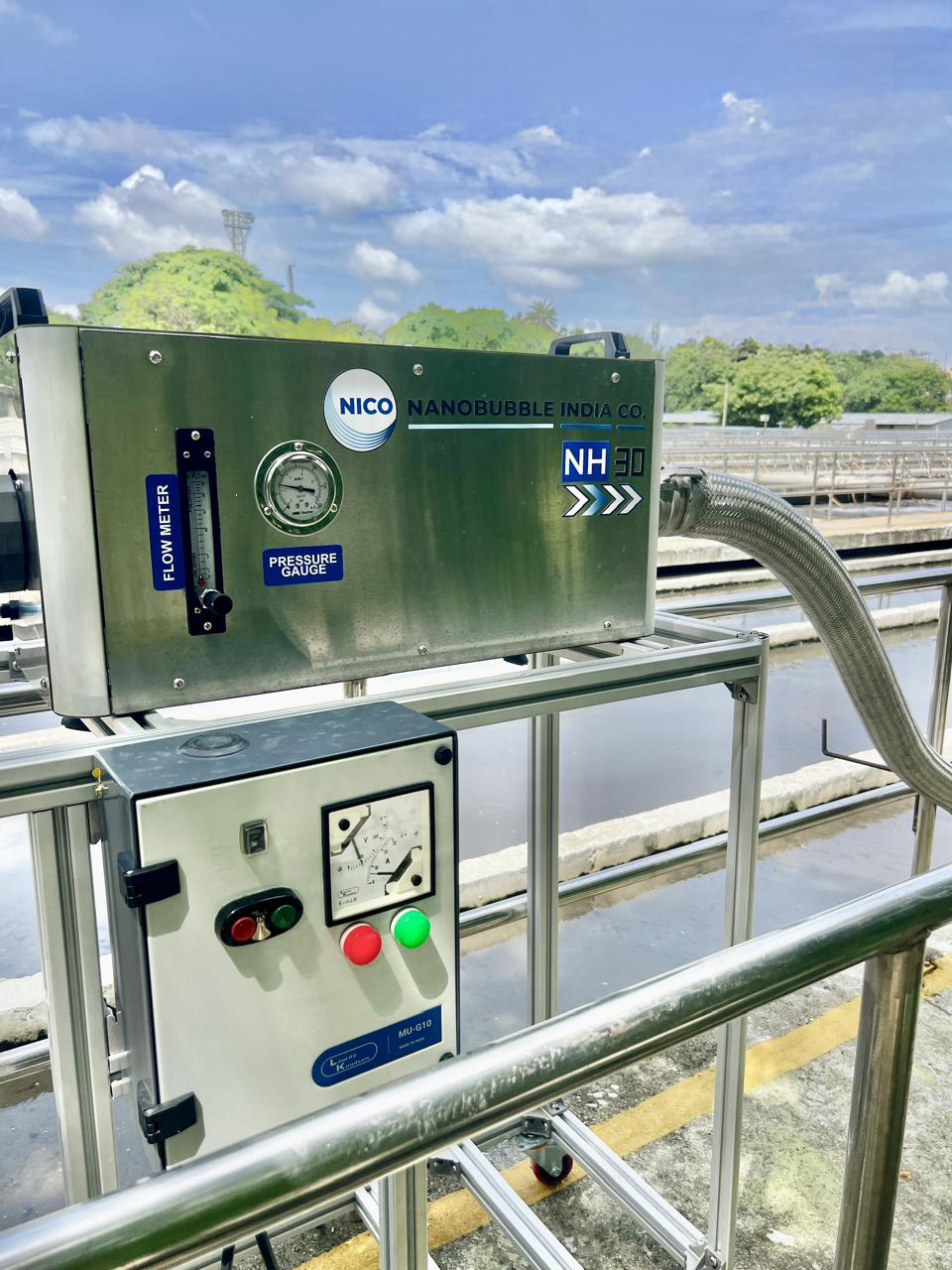
Prior to nanobubble integration, the system exhibited typical limitations associated with conventional aeration:
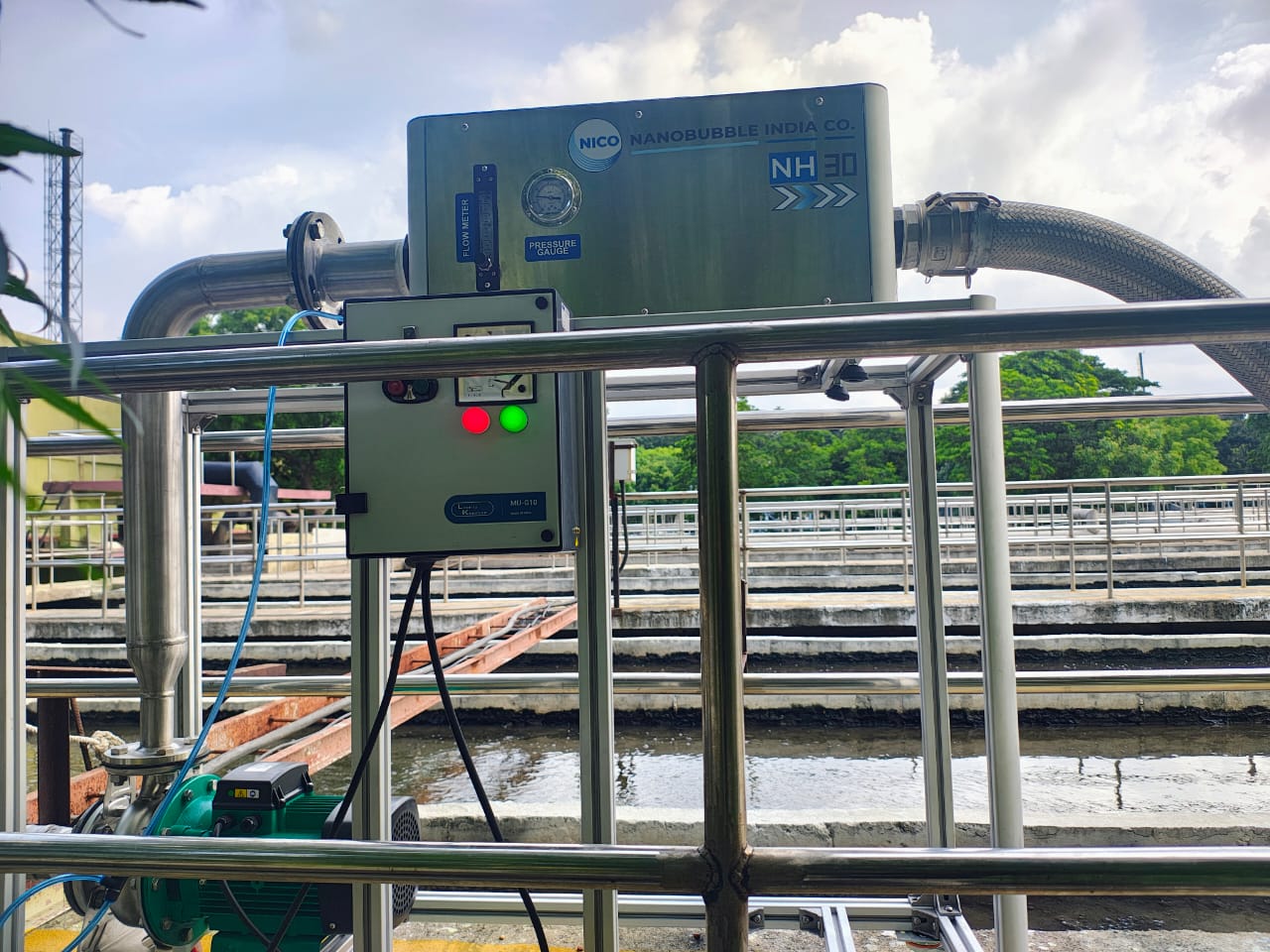
The study utilized the NICO VARUNA nanobubble system in a side-stream configuration, designed to generate ultra-fine gas bubbles with enhanced interfacial characteristics.
Key functional advantages:
| Parameter | Unit | Before Nanobubble | After Nanobubble |
|---|---|---|---|
| BOD | mg/L | < 30 | < 10 |
| COD | mg/L | < 100 | < 50 |
| Total Nitrogen | mg/L | < 20 | < 15 |
| Ammoniacal Nitrogen | mg/L | < 20 | < 10 |
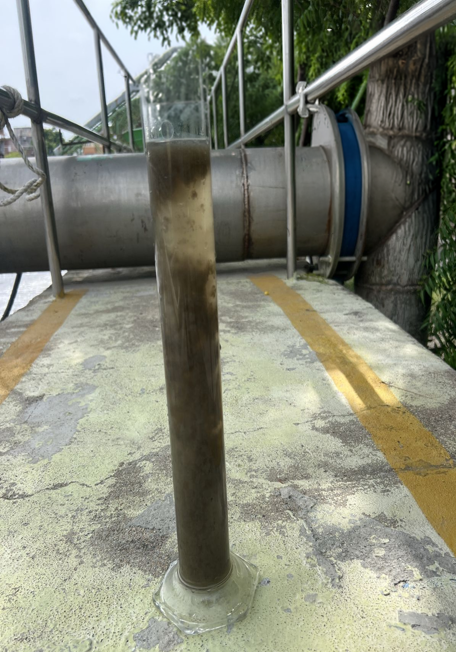 Before
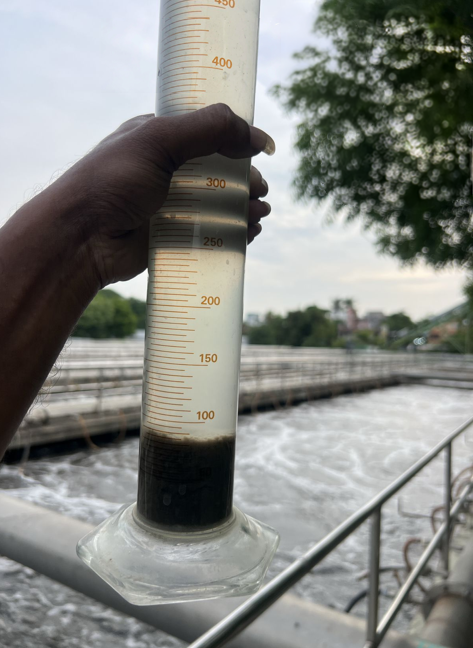 After
After
The implementation of nanobubble technology resulted in significant process and operational improvements:
The study demonstrates that NICO’s nanobubble technology significantly enhances aeration efficiency and biological treatment performance in large-scale wastewater systems. By improving oxygen transfer, reducing energy consumption, and enhancing process stability, the technology provides a scalable and economically viable solution for modern wastewater treatment plants.
The successful implementation confirms that nanobubble-based aeration can serve as a high-efficiency alternative to conventional aeration systems, enabling both operational optimization and long-term sustainability.