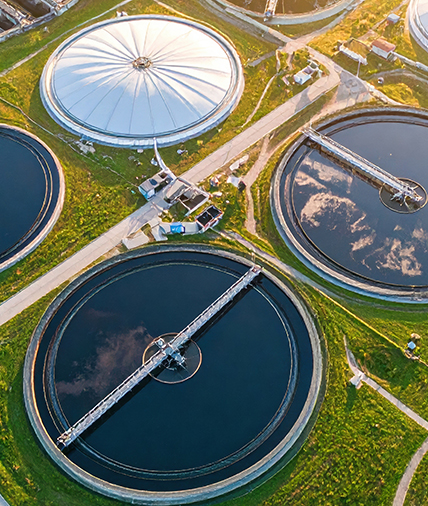
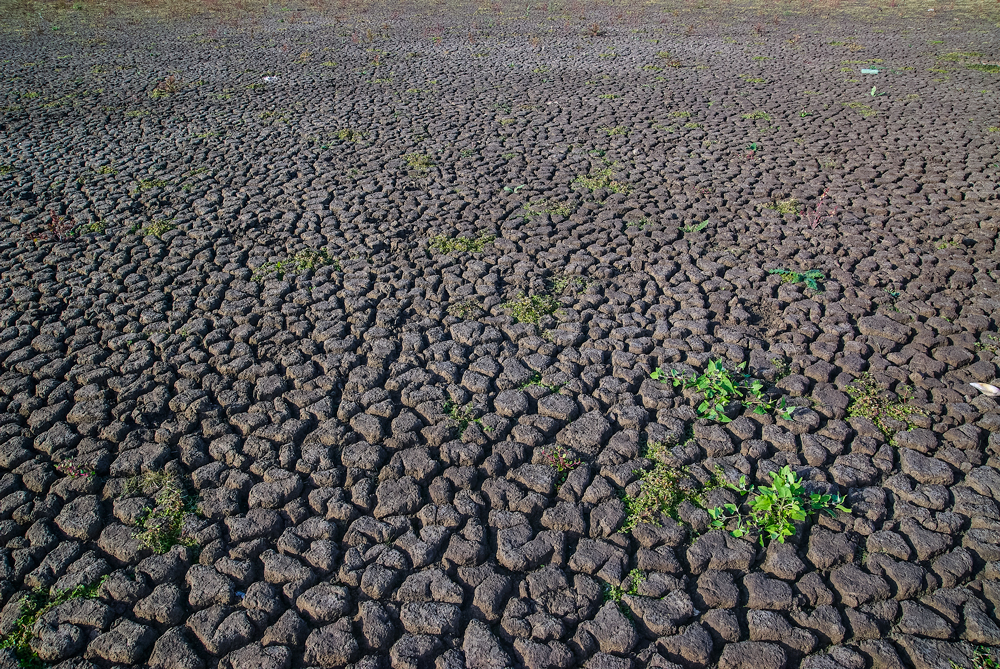
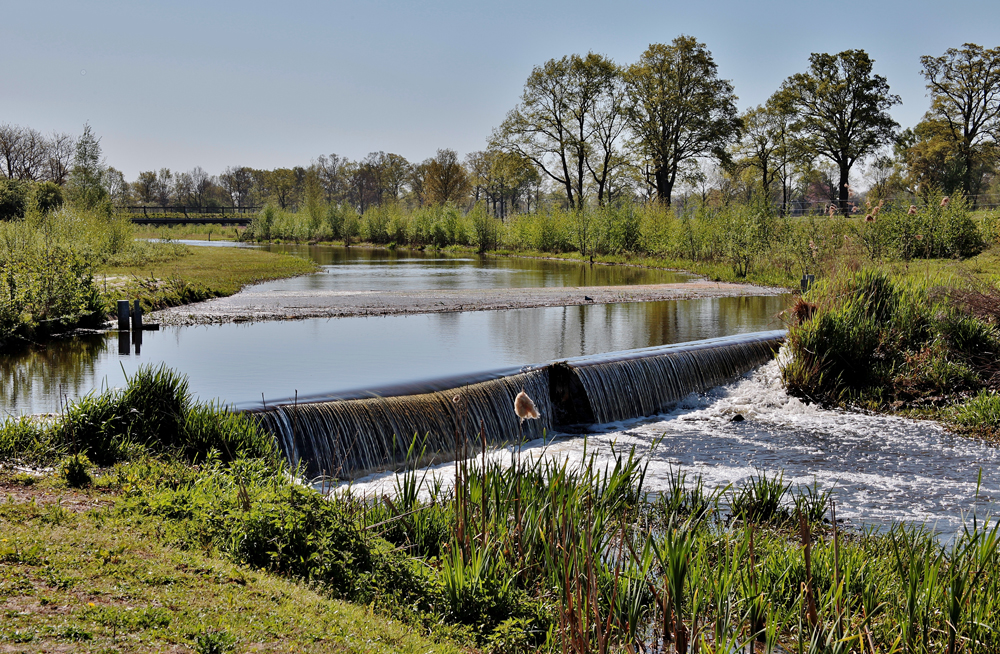
Despite abundant rivers and wetlands, nearly half of Brazil’s population relies on these freshwater resources for domestic use, agriculture and energy. Climate change may reduce water availability by more than 40% in some regions by 2040. Agriculture extracts groundwater faster than it can be replenished, and in 2023–2024, drought affected 59% of the nation and at least 42 indigenous territories. Nanobubbles dramatically improve oxygen transfer, remove pollutants and suppress algae, enabling efficient irrigation, aquaculture and urban water restoration. By reducing dependence on chemicals and aeration energy, nanobubbles help address massive water losses,Brazil’s 100 biggest cities lost an average of 39.43% of treated water in 2012.
NICO’s nanobubble generators boost dissolved gas levels in rivers, farms and aquaculture systems by efficiently infusing air, oxygen or ozone into water. Available in modular formats,from mixers to fully automated IoT-enabled units,they support 1 m³/hr to 1000 m³/hr, ideal for Brazil’s agriculture and water-restoration projects.

Addresses water loss by improving system efficiency.

Supports climate resilience by improving water quality during drought.

Enables sustainable agriculture and aquaculture.

Car wash businesses in the U.S. face challenges of high water consumption, heavy chemical use, difficult-to-clean surfaces, and costly equipment wear from scale and corrosion. These issues increase costs, harm the environment, and reduce wash quality.

Low oil recovery due to trapped reserves., Complex wastewater treatment with hydrocarbons and pollutants. ,Pipeline scale, biofilm & corrosion, raising downtime and costs.

Have questions about applying nanobubble technology in your Brazilian farm, aquaculture site or water system? Our experts are ready to offer customised guidance.