Precision Oxygenation for Australian Aquaculture
Australia produces seafood across cool, temperate and tropical conditions. Salmon, barramundi, trout, prawns, hatcheries and recirculating facilities depend on stable water quality, while oxygen demand changes with biomass, feeding, temperature, salinity and daily cycles.
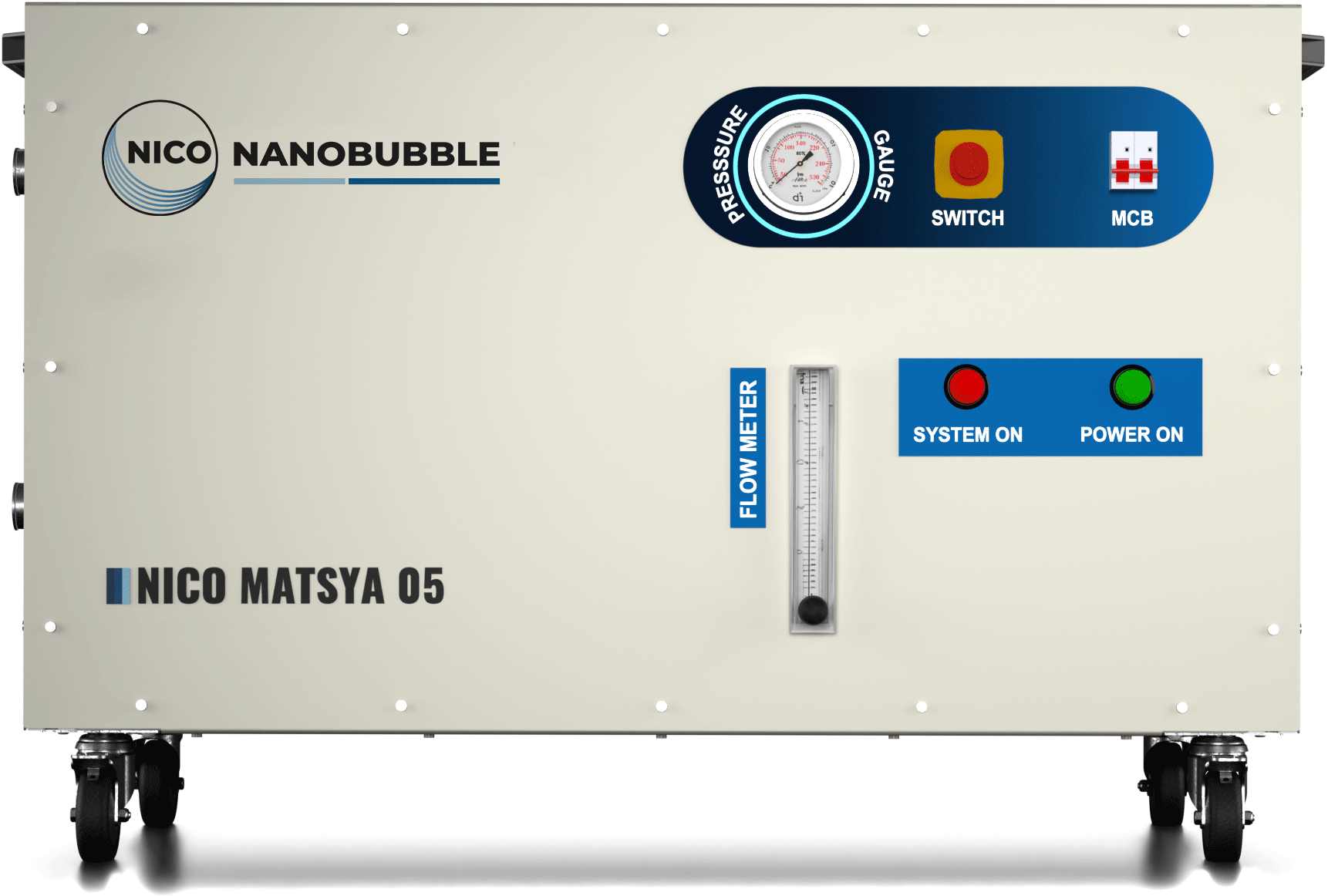
NICO systems introduce air or oxygen nanobubbles through a designed side-stream treatment loop. Oxygen-enriched water can be returned to tanks, ponds, raceways, reservoirs or recirculating systems, complementing circulation, filtration and existing aeration.
Common Aquaculture Challenges
- Dissolved-oxygen decline during warm conditions, overnight or after feeding
- Uneven oxygen between the surface, deeper water and isolated zones
- Increasing oxygen demand as biomass and feeding rates rise
- Organic loading from feed, faeces, algae and biofilter activity
- Variable salinity, temperature, pH and source-water conditions
- Limited warning before critical low-oxygen events
- High reliability requirements at remote or exposed sites
How NICO Nanobubble Technology Helps
Supports Dissolved-Oxygen Stability: Longer gas-water contact can increase the opportunity for oxygen dissolution and help maintain selected operating ranges.
Reaches Target Treatment Zones: Engineered return points can distribute oxygen-enriched water to areas that conventional surface-only treatment may not reach consistently.
Fits Different Production Systems: Side-stream configurations can serve ponds, tanks, raceways, hatcheries, intake reservoirs, biofilter supply or recirculating loops.
Enables Responsive Operation: Sensors, schedules and alarms can align runtime with biomass, feeding, weather and daily oxygen patterns.
Potential Operational Benefits
- More stable dissolved oxygen under defined conditions
- Improved oxygen distribution through selected water zones
- Support for aerobic biology and biofilter performance
- Reduced exposure to localised low-oxygen areas
- Retrofit options for existing production infrastructure
- Greater process visibility through monitoring and data logging
- Modular systems for pilots and future capacity changes
Results depend on species, stock density, feeding, temperature, salinity, chemistry, hydraulics and management. Survival, growth, feed conversion, disease and energy outcomes require site-specific evidence.
Applications Across Australia
Salmon and Trout: Support oxygen management in flow-through, raceway, holding and land-based production systems.
Barramundi and Warm-Water Finfish: Treat tanks, ponds, reservoirs or recirculating systems operating under higher water temperatures.
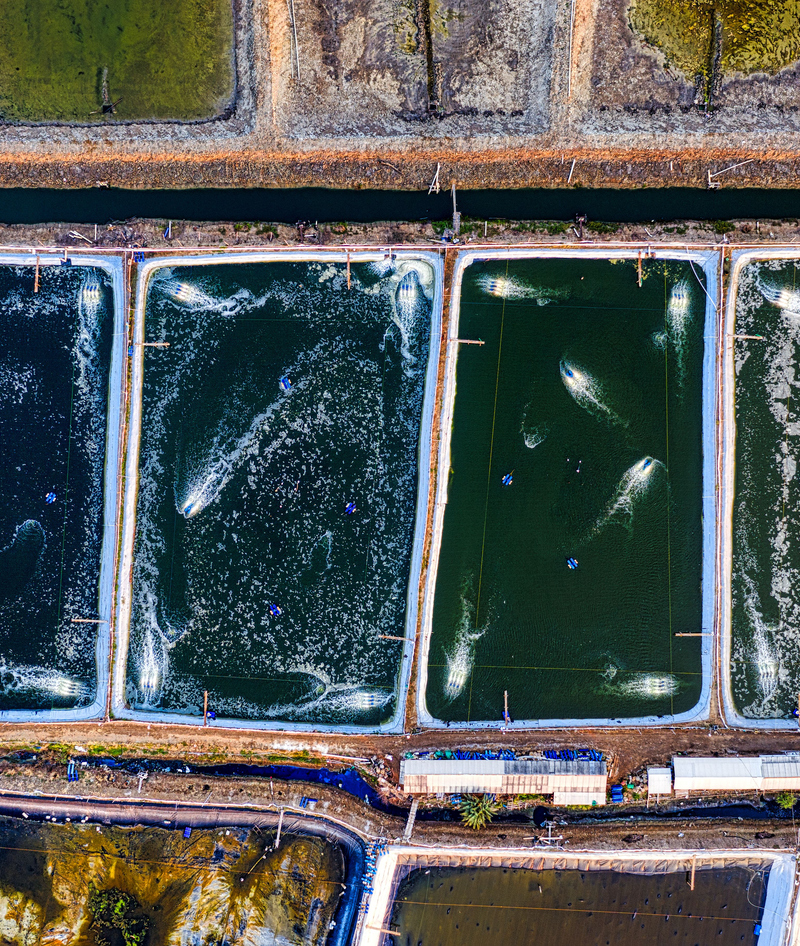
Prawn Farming: Support oxygen distribution in production ponds and selected intake or treatment-water loops.
Hatcheries and Nurseries: Provide controlled oxygenation for sensitive life stages and high-density early production.
Recirculating Aquaculture Systems: Integrate oxygenation with solids removal, biofiltration, degassing, monitoring and water reuse.
Design Around the Stock and Site
Selection considers species, biomass, feeding, volume, flow, salinity, temperature, oxygen, aeration, power and redundancy. Monitoring should cover representative depths, locations and high-demand periods.
Existing aerators may remain valuable for circulation and emergencies. Sites also need contingency plans for power, gas and sensor failure. Nanobubbles support oxygen management; they do not replace husbandry, biosecurity, fish health or discharge management.
NICO Nanobubble Australia.
helps producers achieve higher stocking densities safely and sustainably.