Supporting Healthier Australian Water Bodies
Farm dams, lakes, reservoirs and lagoons support production, recreation, amenity and habitat. Warm, stagnant or nutrient-rich conditions can produce low oxygen, algae, odour and aquatic stress.
NICO systems recirculate water through a treatment loop and return oxygen-enriched water to selected zones. Lasting improvement also requires catchment and pollution-source assessment.
Common Water-Body Challenges
- Low bottom-water or pre-sunrise oxygen
- Thermal and oxygen stratification
- Nutrients from runoff, wastewater, stock or fertiliser
- Algal and cyanobacterial blooms
- Organic sludge and anaerobic odours
- Fish-stress risks and limited circulation
- Variable drought, storm and seasonal inflows
How NICO Nanobubble Technology Helps
Targeted Oxygenation: Return points can target deeper or poorly circulated areas.
Support for Aerobic Conditions: Improved oxygen may support aerobic breakdown of biodegradable matter.
Odour Management: Oxygen can help limit odours caused by anaerobic decomposition.
Support for Aquatic Habitat: Stable oxygen can support fish and aerobic organisms within broader restoration.
Potential Benefits to Evaluate
- Improved oxygen distribution
- Coverage of selected deep or stagnant zones
- Support for aerobic decomposition
- Reduced anaerobic odour formation
- Better conditions for aquatic life
- Modular, monitored treatment options
- Integration with other restoration measures
Results depend on volume, depth, nutrients, inflows, sediment and season. Oxygenation does not guarantee algae control, sludge removal, clarity or recovery.
Applications Across Australia
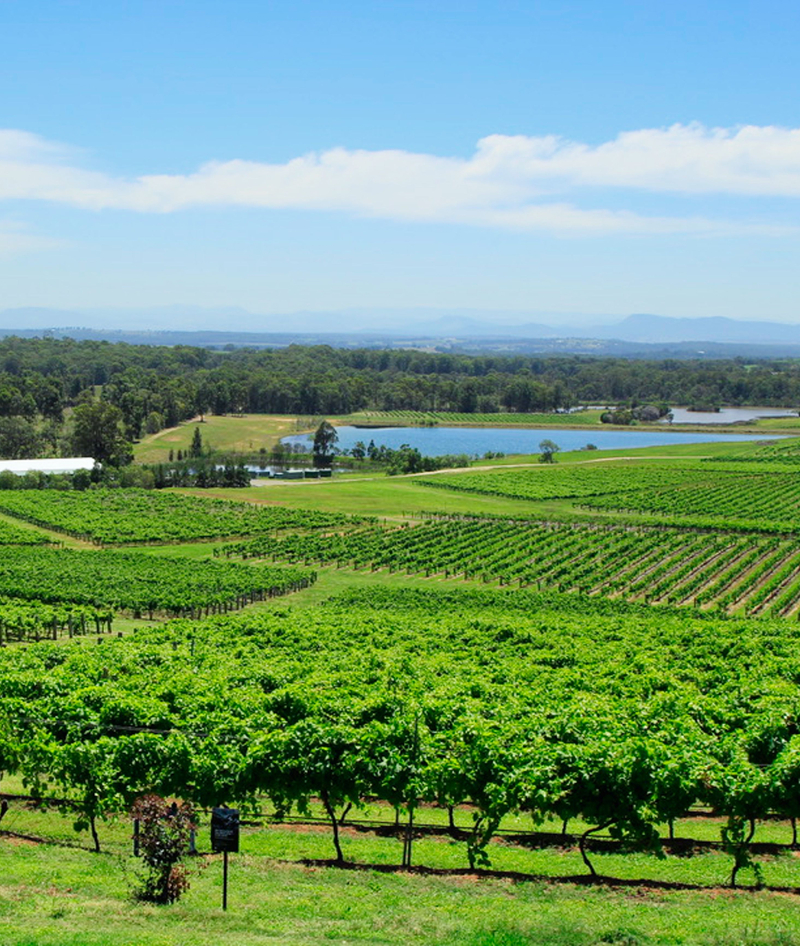
- Farm Dams and Irrigation Storages: Support oxygen and circulation in warm or stagnant water.
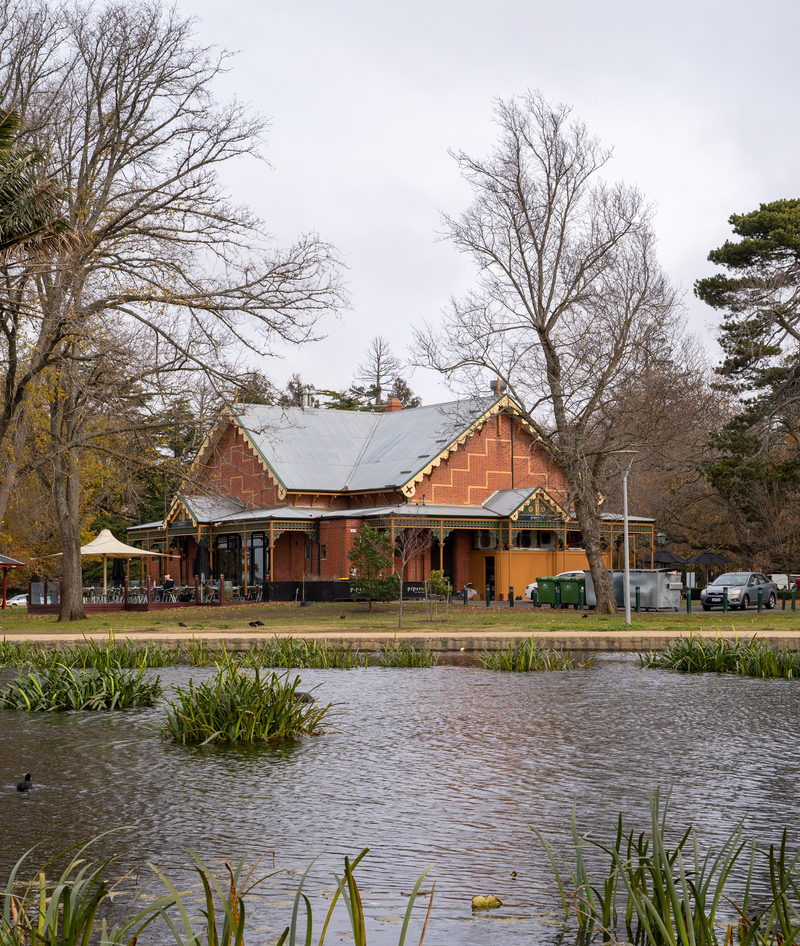
- Urban Lakes and Ponds: Treat selected zones while broader programmes address runoff and nutrients.
- Reservoirs: Provide monitored oxygenation consistent with water-use requirements.
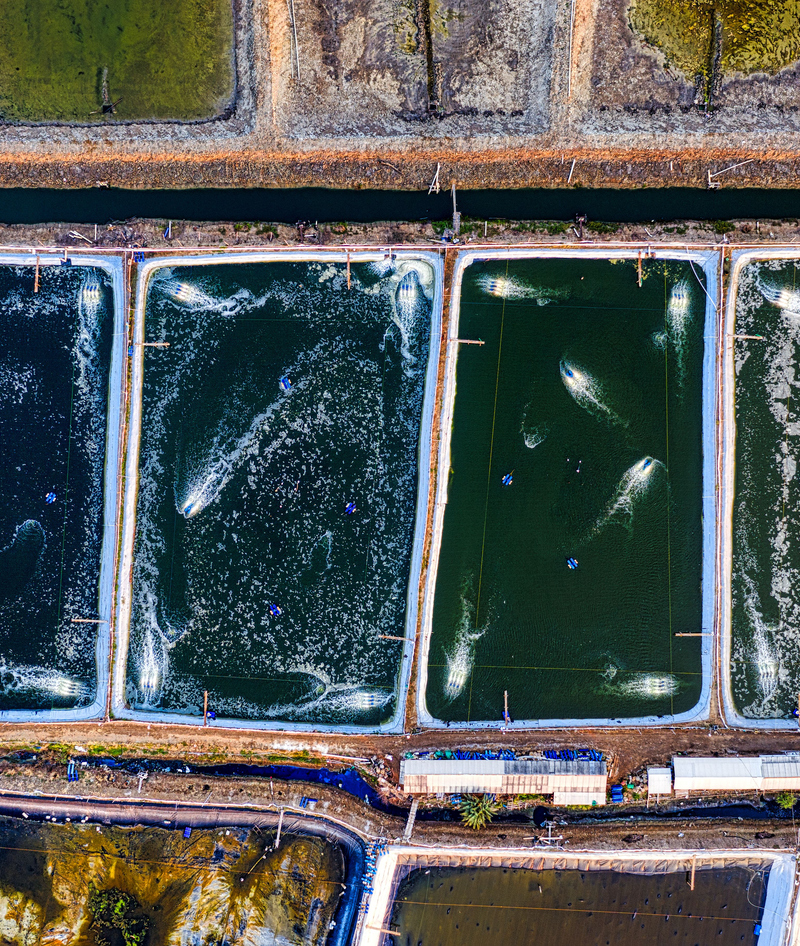
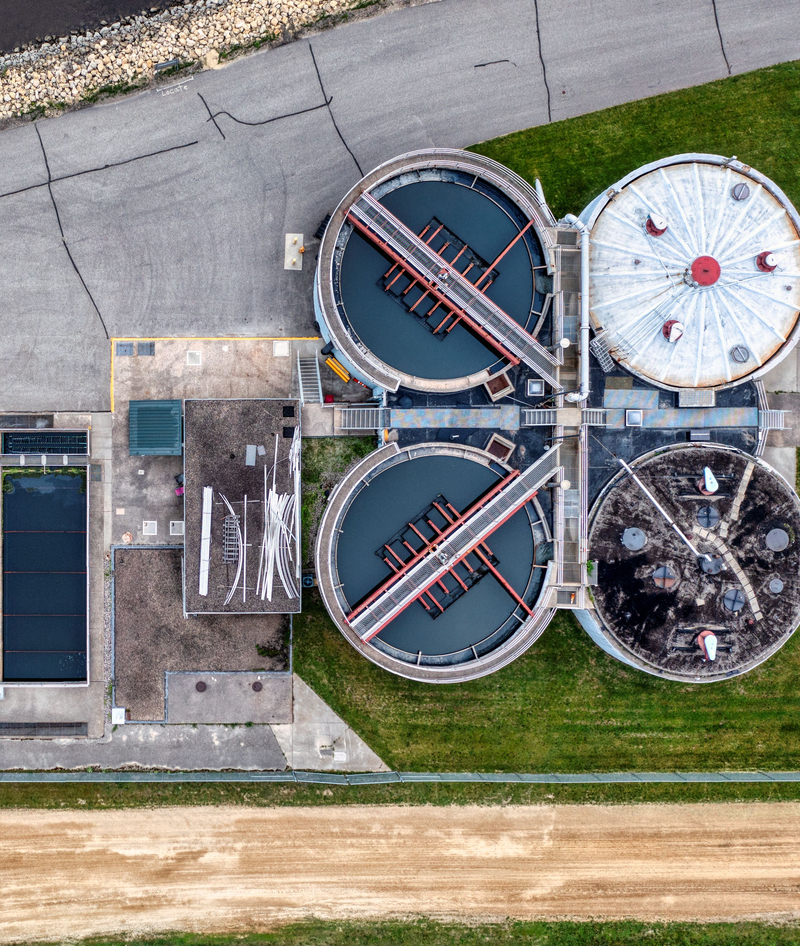
- Treatment Lagoons: Support aerobic conditions within the treatment process.
- Recreational and Conservation Waters: Contribute to habitat objectives alongside catchment action.
Restoration Requires More Than Oxygen
Assessment should cover area, depth, oxygen, temperature, pH, nutrients, algae, sediment, inflows and intended use. Different depths and times reveal conditions hidden by surface readings.
Continuing sewage, runoff, erosion or nutrient inputs require control. Sediment may need physical management and dense blooms require risk assessment. Nanobubbles alone do not make water safe for drinking, swimming, irrigation or stock use.
Plan a Measured Restoration Programme
NICO reviews the water body, pollution sources, hydraulics, power, access and objective before proposing treatment. Return points and runtime respond to seasonal evidence.
For complex sites, a pilot can define comparison zones, sampling and success criteria. Sustainable restoration combines oxygenation with source control, nutrient management, sediment measures and monitoring.
Australian water bodies can shift quickly between drought, storm inflow and high-temperature conditions. Treatment schedules and monitoring locations should therefore be reviewed seasonally rather than assumed to remain constant.
NICO Nanobubble Australia.
helps producers achieve higher stocking densities safely and sustainably.