Targeted Oxygenation Within Responsible Water Management
Singapore’s managed water bodies serve different purposes, from water storage to habitat and landscape amenity. A reservoir and a small ornamental pond require different objectives, investigations and permissions.
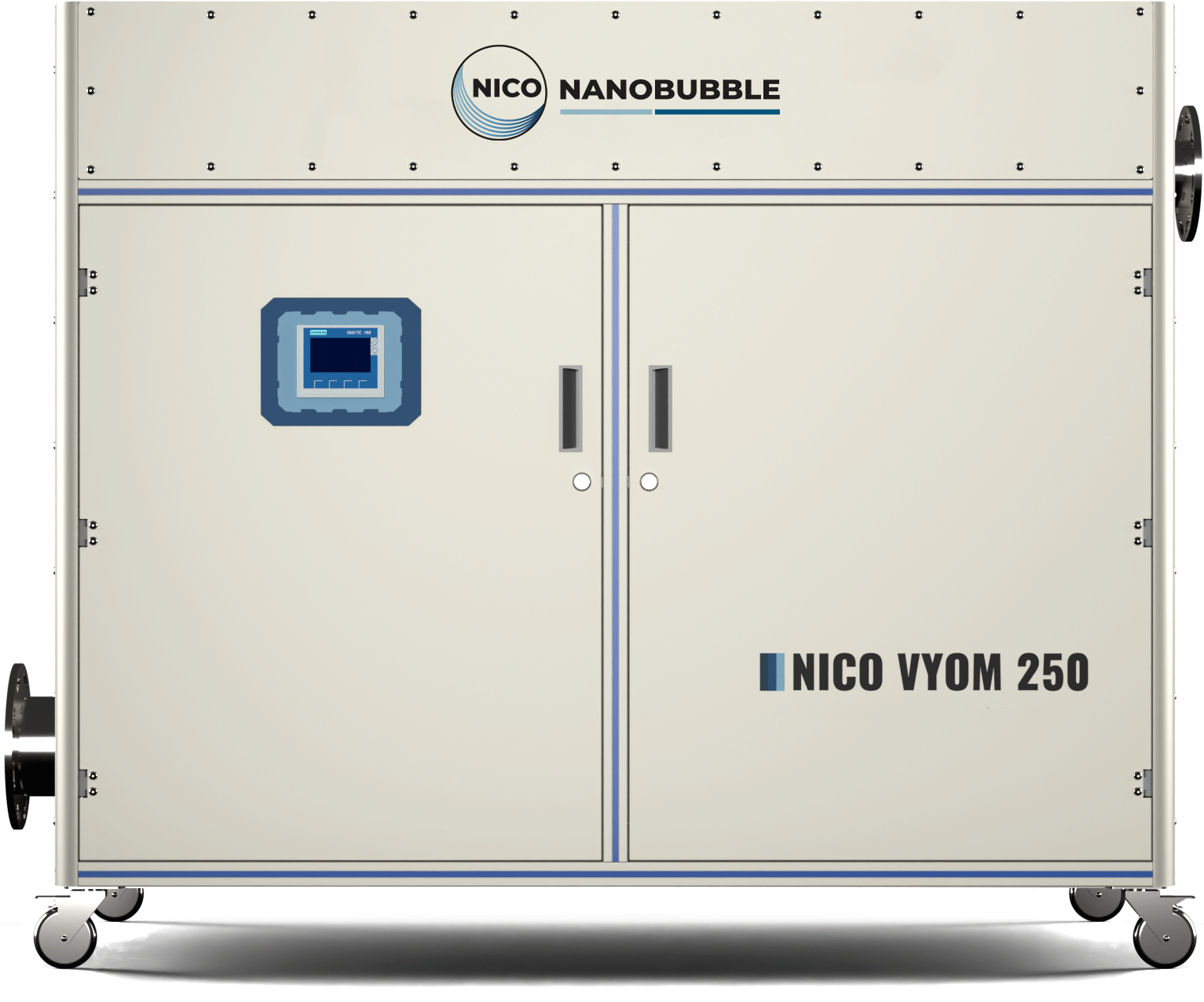
NICO systems may be assessed for oxygen delivery to defined zones where deficiency is documented. The proposed intervention must account for inflows, circulation, sediment and the intended water use.
Common Management Challenges
- Low oxygen in deeper or poorly circulated zones
- Nutrient and organic inputs from surrounding areas
- Accumulated sediment and decomposing vegetation
- Daily and seasonal biological changes
- Rainfall affecting inflow and water level
- Multiple ecological and public-use objectives
- Access and maintenance constraints
How Nanobubbles May Contribute
Target a Defined Deficiency: Use oxygen and temperature profiles to establish where treatment is needed.
Support Aerobic Conditions: Evaluate local improvement where oxygen is limiting without assuming complete pollutant removal.
Design Water Distribution: Position returns around depth, circulation and the need to avoid unwanted sediment disturbance.
Monitor the Response: Link equipment operation with representative readings, weather and inflow conditions.
Potential Benefits to Measure
- Reduced duration of low oxygen in the target zone
- More consistent conditions where hydraulics permit
- Support for oxygen-related odour management
- Better evidence for phased intervention
- A defined contribution to a wider management plan
Higher oxygen does not establish algae elimination, nutrient removal or safe recreational water. Toxins, pathogens and other contaminants require their own assessment.
Match the Water Body
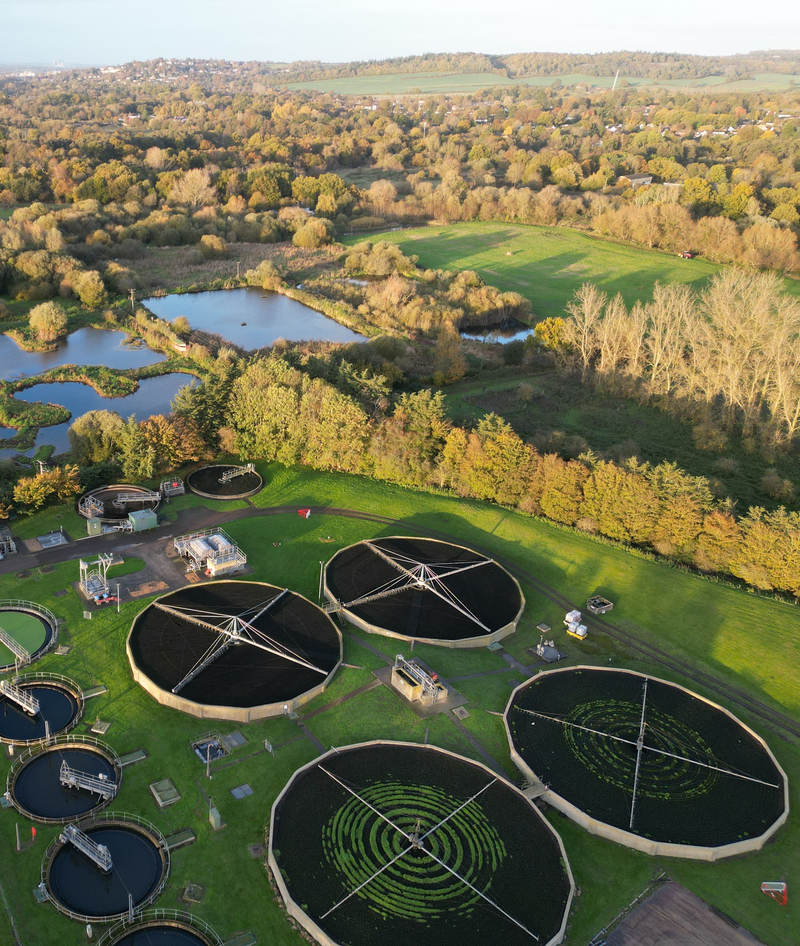
Reservoirs: Consider water-supply functions, operating levels, ecology and authority requirements. Any intervention requires the relevant owner and agency review.
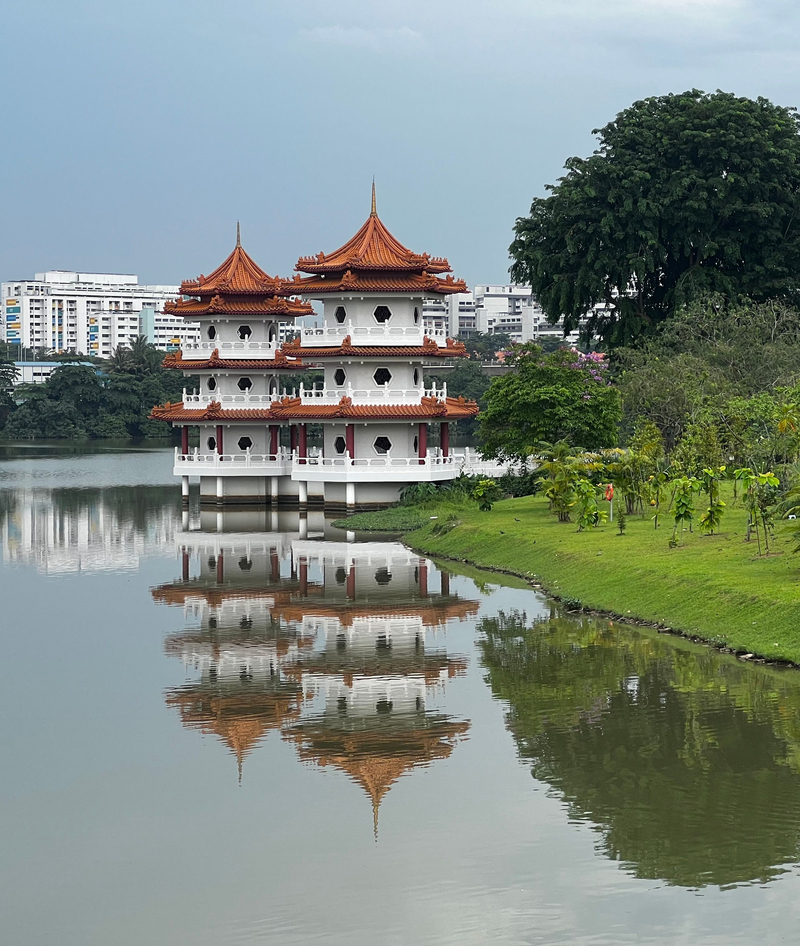
Urban Lakes: Assess drainage connections, nutrient sources, sediments and public access alongside treatment requirements.
Landscape Ponds: Review feeding, vegetation, debris and existing circulation in addition to water measurements.
Institutional and Commercial Sites: Define maintenance responsibility and the relationship between landscape objectives and ecological conditions.
Address Continuing Inputs
Identify runoff, wastewater connections, erosion and organic loading. Appropriate measures may include source control, drainage improvements and sediment or vegetation management.
Nutrients can move between water, sediment and organisms without leaving the system. Oxygenation therefore does not automatically provide nutrient removal or permanent restoration.
Plan a Measured Intervention
Establish baseline oxygen, temperature, nutrients, clarity and relevant ecological indicators. Include representative depths and times rather than relying on surface appearance.
Use comparison locations where practical and account for rain, inflow and management changes. Define safeguards for electrical equipment, debris, public access and ecological disturbance.
Set realistic objectives for the selected zone. A successful pond pilot does not establish reservoir-scale effectiveness, drinking-water suitability or endorsement by any public authority.