Water Control for Compact Growing Systems
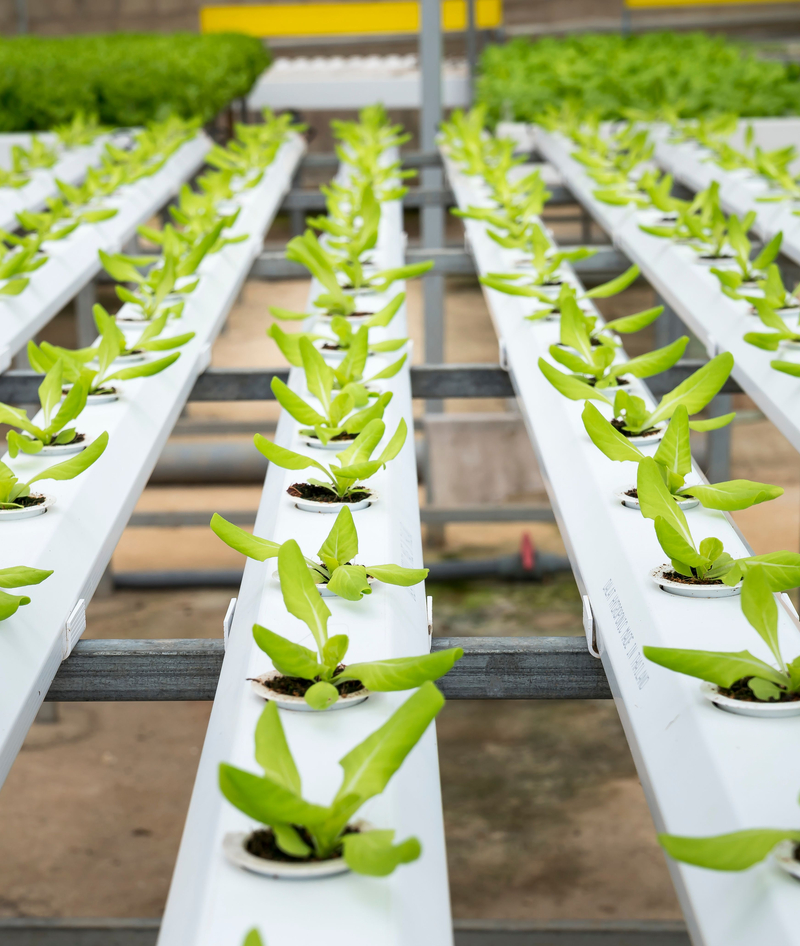
Singapore’s urban growing environments bring water, nutrients and climate management into closely connected systems. In hydroponic production, the reservoir and distribution loop influence the conditions reaching the roots.
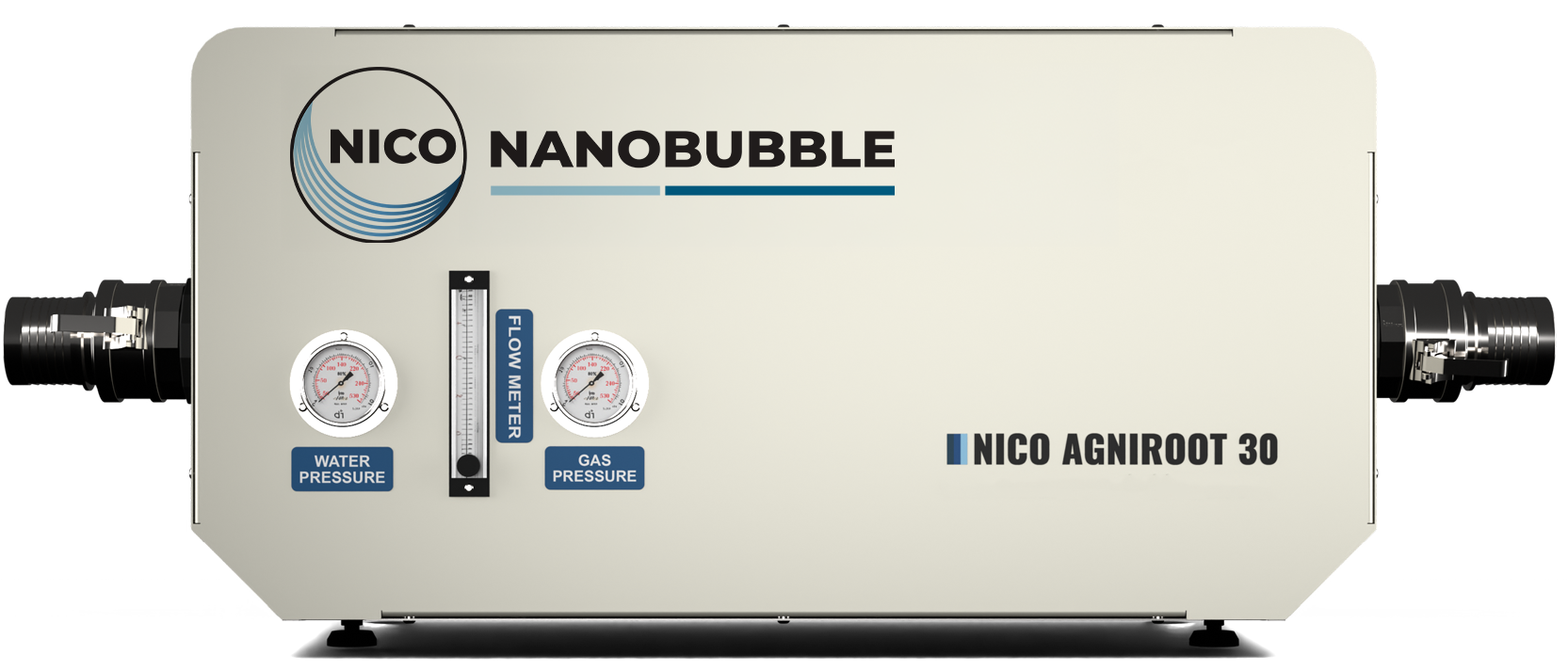
NICO nanobubbles can be evaluated for oxygen delivery in compatible nutrient-water systems. A trial should establish whether oxygen limitation exists and measure the crop response under representative conditions.
Common Growing Challenges
- Water temperature affecting oxygen availability
- Root and microbial demand within recirculating loops
- Uneven delivery across channels or growing tiers
- Limited room for additional equipment
- Nutrient, pH and salinity constraints
- Hygiene risks carried through shared water
- Reservoir readings that differ from root-zone conditions
How Nanobubbles May Fit
Reservoir Oxygenation: Assess a suitable recirculation arrangement with measurements at the outlet and growing-system return.
Root-Zone Delivery: Check conditions where plants receive water rather than relying solely on a reading beside the generator.
Controlled Operation: Coordinate treatment with irrigation schedules, temperature and measured demand.
Compatible Integration: Review pumps, nutrients, materials and sanitation before changing the water loop.
Potential Benefits to Assess
- Better visibility of water conditions across the farm
- Support where root-zone oxygen is limiting
- Compact trials before larger deployment
- Evidence connecting water changes with plant response
Yield, growth rate, quality, nutrient savings and disease outcomes require controlled trials. Oxygenated water does not replace nutrition, climate control, drainage or hygiene.
Singapore Application Areas
Leafy Vegetables and Herbs: Evaluate compatible hydroponic arrangements using comparable crop groups and growth stages.
Vertical Growing Systems: Measure water delivery across tiers and return lines rather than assuming uniform conditions.
Greenhouses and Nurseries: Assess reservoir or irrigation-loop applications suited to the crop and substrate.
Research and Demonstration Farms: Use instrumented comparisons to establish whether water treatment affects the chosen crop endpoint.
Protect Nutrient and Hygiene Management
Monitor pH, electrical conductivity and temperature alongside oxygen. Review fertiliser compatibility and keep established sanitation measures in place.
Ozone should not be introduced into a nutrient loop as a routine oxygenation substitute. Oxidants can affect plants, nutrients and materials and require a separate validated design.
Plan a Fair Crop Comparison
Record variety, growth stage, lighting, climate, nutrition and irrigation. Compare representative channels or production cycles while accounting for management changes.
Agree the result to be measured before installation. A reservoir oxygen increase is an operating observation a growing benefit requires consistent evidence at the plant level.
Scale only when results are repeatable and the installation remains practical to inspect, calibrate and maintain.