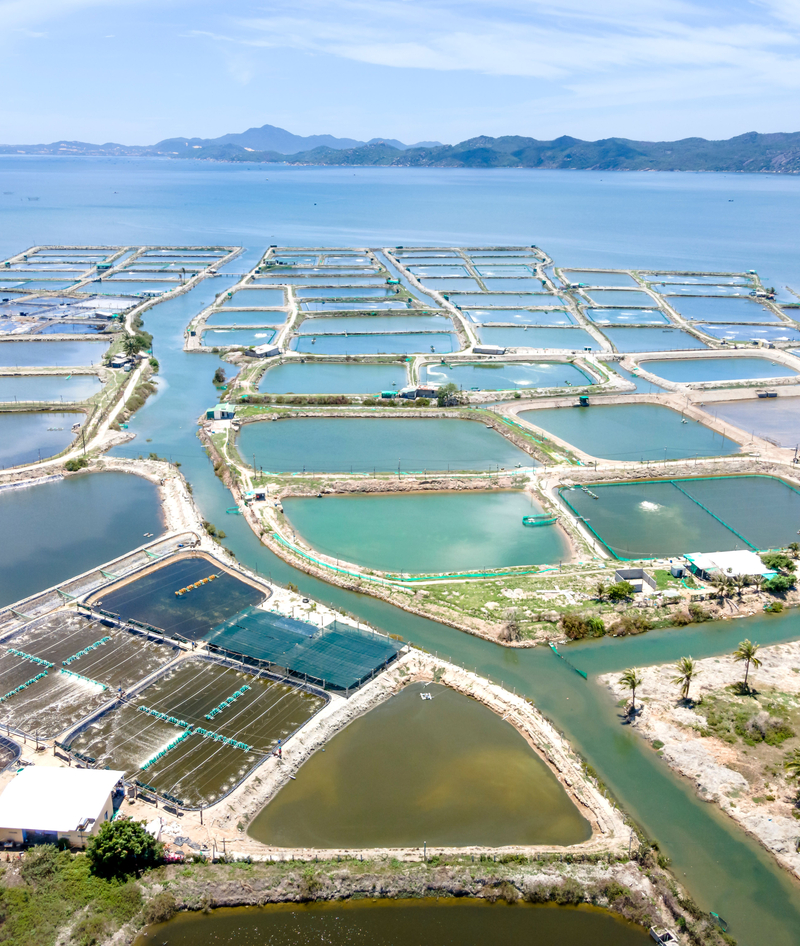
Aquaculture

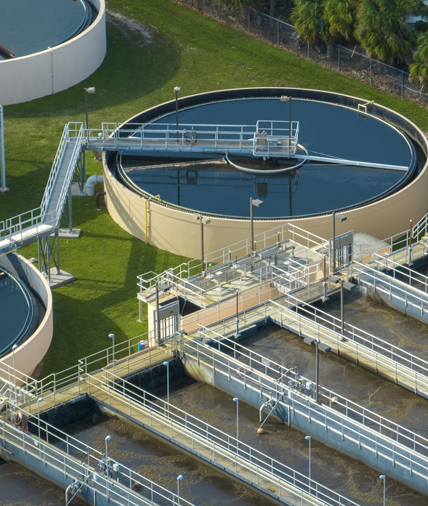
Industrial and Municipal Wastewater Treatment

Better Oxygen Transfer for Vietnam’s Growing Treatment Demand

NICO systems support aerobic treatment, odour management, oxidation, polishing, and water reuse across industrial estates, factories, food processors, commercial facilities, and municipal plants.

Plants may experience unstable oxygen, high aeration demand, septic zones, odour, sludge problems, and influent shocks.

Every Wastewater Stream Tells a Different Story

Vietnam’s industrial and urban growth is increasing treatment demand. Seafood processing, food and beverage, textiles, rubber, paper, manufacturing, industrial estates, hotels, and municipal facilities produce wastewater with different flows, loads, solids, colour, salinity, and objectives.

Plants may experience unstable oxygen, high aeration demand, septic zones, odour, sludge problems, and influent shocks. NICO’s ultra-fine bubbles remain suspended longer than coarse bubbles, increasing gas contact.

Key Treatment Challenges

  • High or variable BOD and COD
  • Inefficient oxygen transfer and aeration-energy demand
  • Septic zones, sulphide, and nuisance odour
  • Oils, fats, solids, colour, and difficult compounds
  • Poor biological stability or settling
  • Batch discharge, cleaning cycles, and shock loads
  • Increasing discharge and reuse requirements

How NICO Supports the Process

  • Aerobic Biological Treatment: Air or oxygen nanobubbles can supply dissolved oxygen to microorganisms that break down biodegradable organic matter.
  • Mixing and Contact: A side-stream loop recirculates treated water, improving contact among gas, biology, and wastewater constituents.
  • Odour Management: Maintaining aerobic conditions can reduce the formation of anaerobic odour zones. Some compounds will still require additional treatment.
  • Oxidation and Polishing: Properly engineered ozone nanobubbles can support site-specific colour, odour, oxidation, and disinfection-related objectives.
  • Responsive Control: Dissolved oxygen, pH, ORP, flow, and other sensors can adjust operation as loading and water conditions change.

Where the Technology Can Be Applied

  • Equalisation tanks to maintain circulation and reduce septic conditions
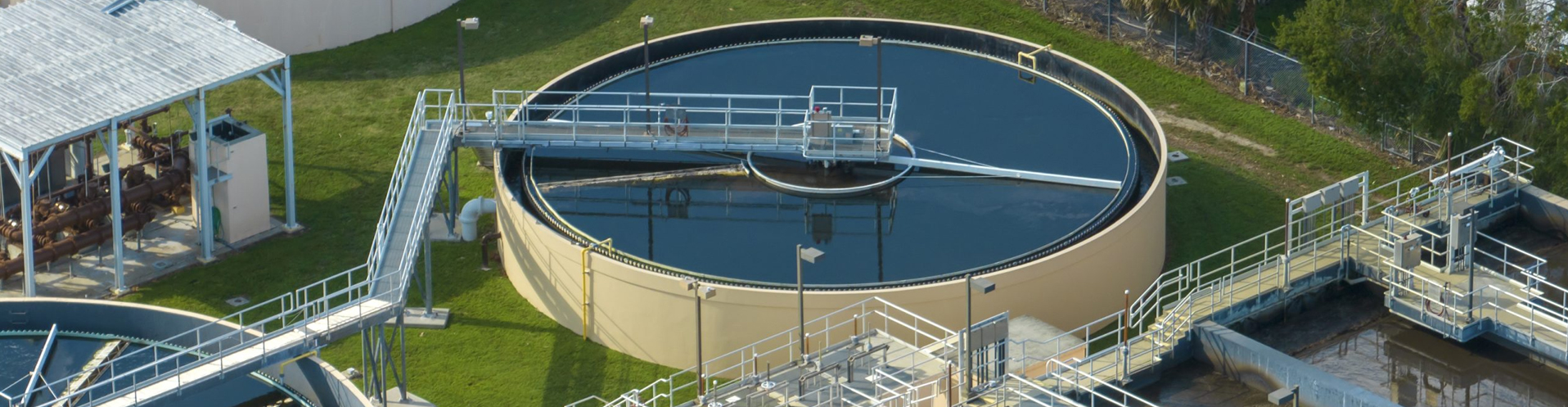
  • Aeration basins to support activated-sludge biology
  • SBR, MBBR, and MBR systems for controlled oxygen delivery
  • Lagoons and oxidation ponds for wider oxygen distribution
  • Tertiary stages for polishing and selected oxidationq
  • Sludge processes for aerobic treatment or carefully controlled micro-aeration
  • Reuse systems alongside filtration, membranes, and disinfection

Micro-aeration in anaerobic digestion must be precisely engineered to avoid disrupting the intended anaerobic biology.

Industries Across Vietnam

  • Seafood and Food Processing: Manage proteins, fats, solids, organic loads, and variable cleaning wastewater.
  • Textile and Dyeing: Support aerobic treatment and treatability-tested oxidation for colour and difficult organics.
  • Rubber, Paper, and Agro-Processing: Strengthen oxygen delivery where organic loading and odour affect stable operation.
  • Industrial Estates and Manufacturing: Integrate treatment loops into centralised effluent plants or process-water systems serving multiple production units.
  • Municipal and Commercial Facilities: Support sewage treatment at municipal plants, resorts, hotels, institutions, and large developments.

System Options

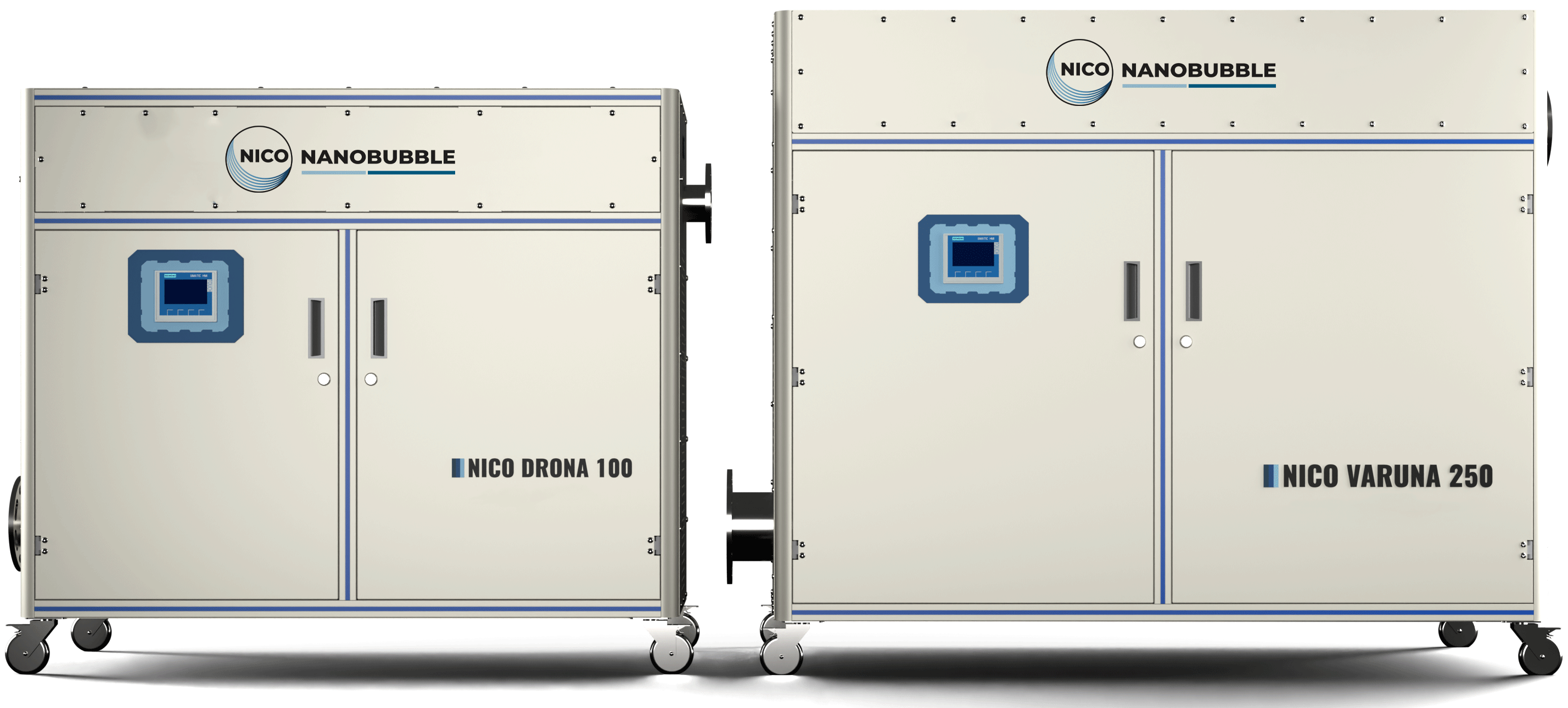
Choose a compact mixer for compatible existing infrastructure, a matched mixer-and-pump loop, or an automated skid with gas supply, sensors, alarms, interlocks, and monitoring. Air supports general aeration oxygen addresses higher demand ozone supports selected oxidation with appropriate materials and safeguards.

Assess Before Sizing

NICO reviews average and peak flow, BOD, COD, solids, oil and grease, ammonia, salinity, pH, temperature, colour, odour, tank dimensions, existing aeration, discharge limits, and reuse targets. Complex effluent should undergo laboratory testing or a pilot.

Nanobubbles improve gas transfer but do not replace screening, solids removal, biological-process design, filtration, sludge management, or regulatory compliance.

Measure the Whole Treatment Train

Establish a representative baseline before installation, including normal and peak production periods. After commissioning, track dissolved oxygen by tank zone and time alongside flow, energy, sludge, odour observations, and relevant laboratory indicators. Sampling locations and methods should remain consistent.

A reduction in blower runtime is valuable only if oxygen, settling, effluent quality, and biological stability remain acceptable. Changes in production, chemicals, return sludge, temperature, or influent must be recorded so they are not incorrectly attributed to the nanobubble system.

Ozone dose and contact requirements should be confirmed through treatability testing. Residual ozone, off-gas, worker exposure, downstream biology, and material compatibility must be controlled.