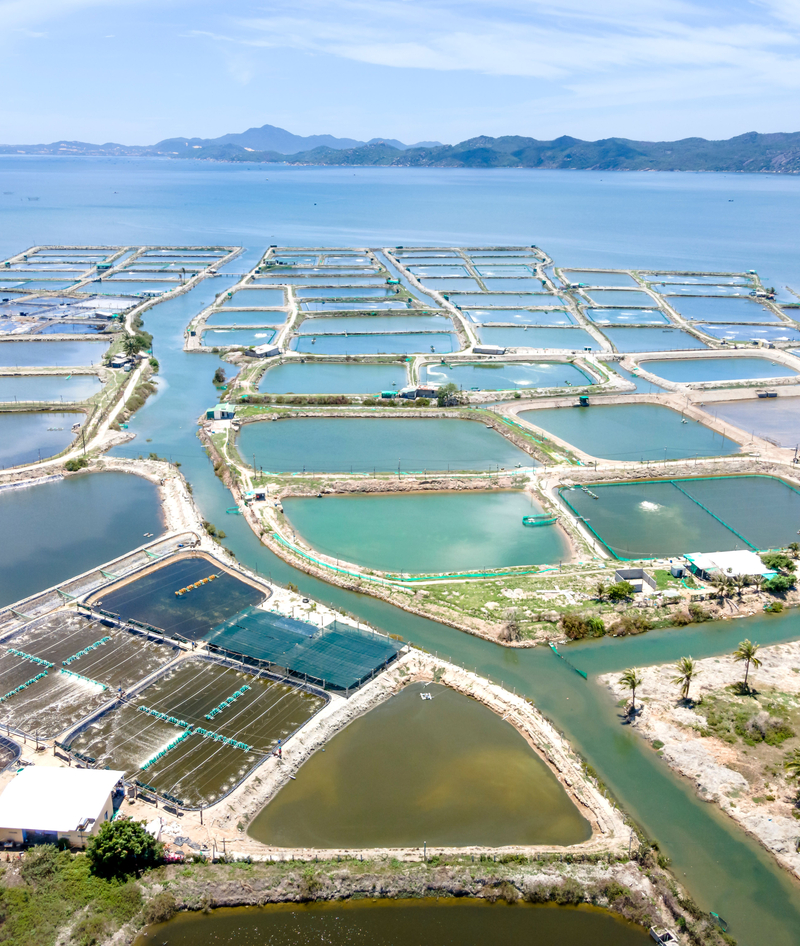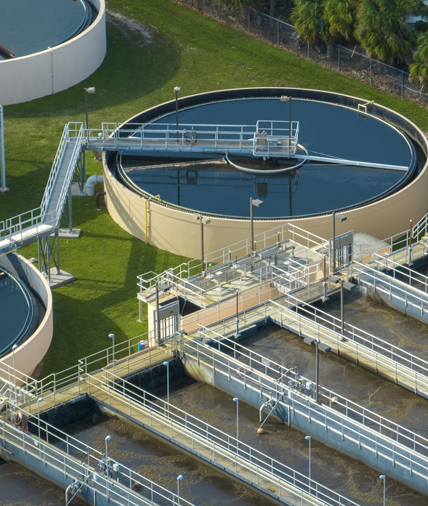
NICO systems support oxygen, circulation, odour management, and recovery in lakes, canals, reservoirs, and ponds.
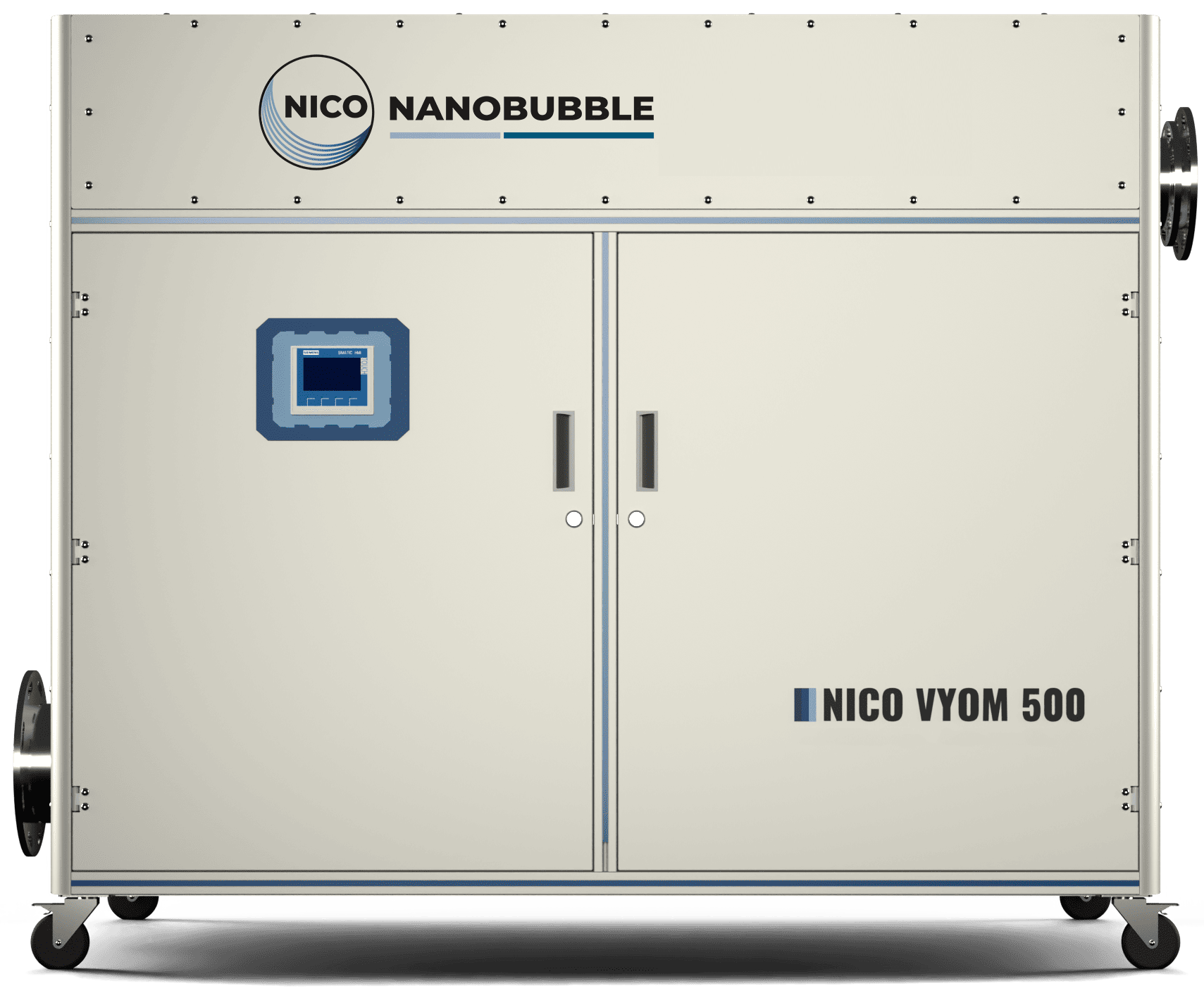
NICO recirculates water through a nanobubble generator and returns oxygen-enriched water to selected areas.
Vietnam’s water bodies support drainage, irrigation, biodiversity, recreation, and community life. Runoff, wastewater, litter, sediment, and organic matter can produce algae, odours, fish stress, and oxygen-depleted zones.
NICO recirculates water through a nanobubble generator and returns oxygen-enriched water to selected areas. Combined with source control and monitoring, it can support recovery.
Potential settings include city lakes, village ponds, irrigation and aquaculture reservoirs, slow-moving canals, resort lagoons, landscape and golf-course ponds, industrial retention ponds, recreational lakes, and selected wetland projects.
Nanobubbles do not stop pollution entering the water. Sustainable recovery may also require wastewater interception, nutrient reduction, litter collection, sediment management, shoreline stabilisation, constructed wetlands, or hydraulic improvement.
Share bathymetry, water-quality data, inflow information, photographs, site access, power availability, fish populations, and restoration objectives. Large or irregular water bodies may benefit from a pilot zone before wider deployment.
Useful indicators include dissolved oxygen, temperature, pH, ORP, turbidity, chlorophyll, nitrogen, phosphorus, BOD, COD, sediment depth, odour observations, and fish events. Measurements should cover representative depths and locations.
Rainfall, heat, flooding, lake turnover, and changing inflows can affect results. Continuous sensors reveal trends, while laboratory sampling confirms nutrients and other parameters. Together, these records guide runtime, return-point placement, and further source-control measures.