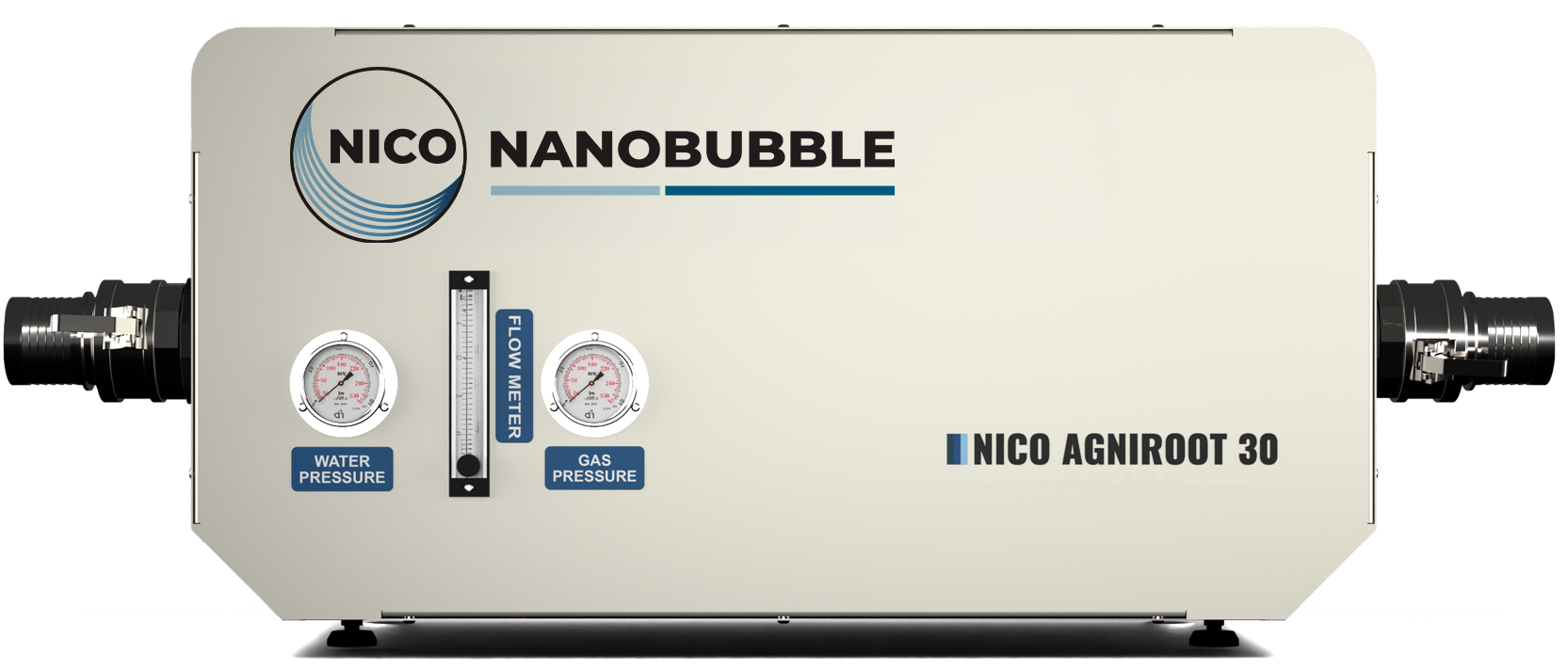
Better Water Decisions from Nursery to Field
Indonesia’s farms and plantation nurseries use water under varied rainfall, soil and storage conditions. Warm reservoirs, biological activity and changing sources can affect the water entering an irrigation system.
NICO nanobubbles can be evaluated in suitable tanks, reservoirs and circulation loops to support oxygen-rich irrigation. Assessment should establish whether oxygen is a relevant limitation before predicting a crop benefit.
Common Irrigation Challenges
- Warm storage water and variable dissolved oxygen
- Sediment, organic material or algae in reservoirs
- Different source-water conditions between seasons
- Long distribution lines and uneven irrigation delivery
- Poor root-zone drainage despite adequate water supply
- Nutrient and salinity constraints unrelated to oxygen
- Practical limits on power, monitoring and maintenance
How the Technology Can Fit
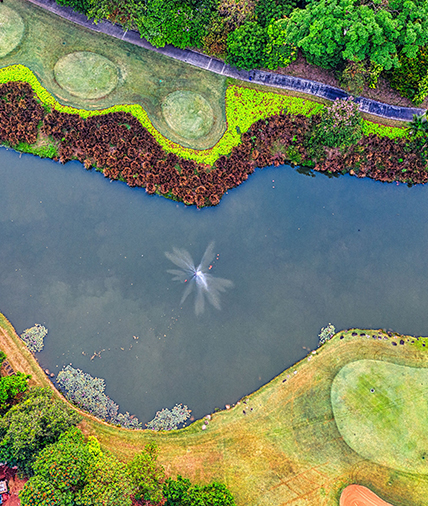
Stored-Water Conditioning: Assess a recirculation loop serving an irrigation reservoir or holding tank, with monitoring at the outlet and point of use.
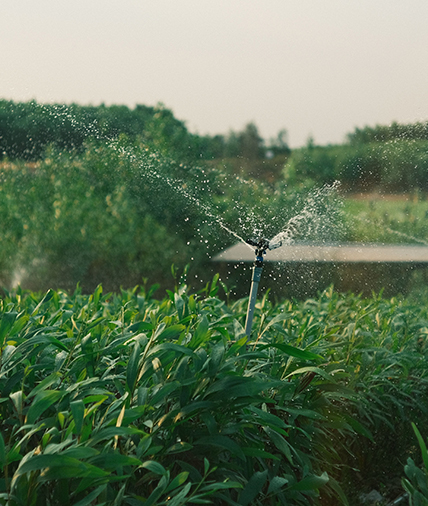
Nursery Irrigation: Evaluate controlled trials for plantation seedlings or horticultural plants where irrigation volume and comparison zones can be defined.
Protected Cultivation: Integrate with compatible greenhouse or nutrient-water circuits after reviewing fertilisers, materials and sanitation practices.
Demand-Based Operation: Coordinate treatment with irrigation schedules and measured water conditions rather than running on an assumed universal setting.
Potential Benefits to Evaluate
- More consistent oxygen in suitable stored-water systems
- Better measurement of conditions reaching the crop
- Support where root-zone oxygen limitation is demonstrated
- Integration with selected existing irrigation infrastructure
- Controlled comparison before wider adoption
Yield, root growth, disease reduction, fertiliser savings and water savings require crop-specific evidence. Oxygenated water does not correct inadequate drainage, soil compaction, salinity or poor nutrient management.
Indonesian Application Areas
Plantation Nurseries: Trials for suitable oil-palm and other plantation planting material under defined irrigation and growing conditions.
Fruit and Vegetable Production: Assessment for high-value crops using tanks, reservoirs or controlled irrigation arrangements.
Flowers and Protected Crops: Water conditioning in compatible nursery, greenhouse and fertigation systems.
Hydroponic Production: Oxygen management in selected nutrient loops, alongside pH, electrical conductivity, temperature and hygiene monitoring.
Start with a Measurable Trial
Review crop, growth stage, substrate, water analysis, irrigation volume, drainage and existing equipment. Check oxygen at the root-zone supply point because a reservoir reading may not represent delivery after storage or transport.
Compare representative plots or growing cycles while recording rainfall, nutrition, irrigation and management changes. Define the outcome before starting, and retain routine filtration, sanitation and agronomic controls.