Oxygenation Within a Wider Recovery Programme
Indonesia’s rivers and lakes connect communities, farming, industry and aquatic habitats. Where sewage, runoff and organic material enter the water, oxygen demand can exceed natural replenishment.
NICO systems may support targeted oxygen delivery in selected water-body zones. The approach must sit alongside pollution-source control and an understanding of flow, sediment and ecology. An oxygenation unit cannot compensate indefinitely for continuing untreated discharges.
Common Restoration Challenges
- Low dissolved oxygen and oxygen-demanding organic pollution
- Sewage, runoff and industrial inputs from multiple sources
- Nutrients supporting excess algae or aquatic plant growth
- Organic sediment creating persistent bottom-water demand
- Wet-season flushing and dry-season stagnation
- Litter and solids affecting access and pumping
- Different community, habitat and water-use objectives
Where Nanobubbles May Contribute
Targeted Oxygen Delivery: Recirculate water and return it to a defined zone where low oxygen has been documented.
Support Aerobic Conditions: Assess whether oxygen availability supports the intended biological or chemical processes without promising whole-water-body recovery.
Address Oxygen-Related Odour: Evaluate local benefit where anaerobic conditions contribute to odour, while also addressing the material causing oxygen demand.
Improve Operating Visibility: Connect system operation with measurements across depths, times and weather conditions.
Potential Benefits to Measure
- Reduced duration of low oxygen in a defined zone
- Improved oxygen distribution where hydraulics permit
- Support for aquatic organisms where oxygen is limiting
- Evidence for phased treatment and investment decisions
- Better understanding of continuing pollution pressure
Higher oxygen does not establish that metals, pathogens, toxins or all organic contaminants have been removed. Algae control and nutrient removal require their own evidence and treatment pathways.
Select a Realistic Treatment Area
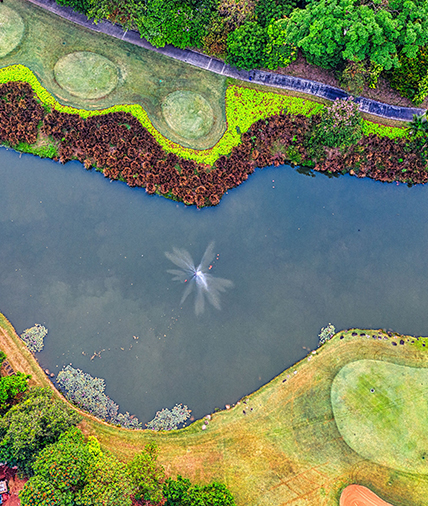
Lakes and Enclosed Ponds: Assess depth, stratification, sediment and circulation before determining where treated water should return.
Slow-Moving River Reaches: Evaluate water residence time, incoming loads and hydraulic containment. Performance from a closed pond cannot simply be applied to a flowing river.
Urban Water Features and Connected Canals: Identify drains, inflows and sources of litter or sewage before planning equipment and maintenance access.
Address the Sources
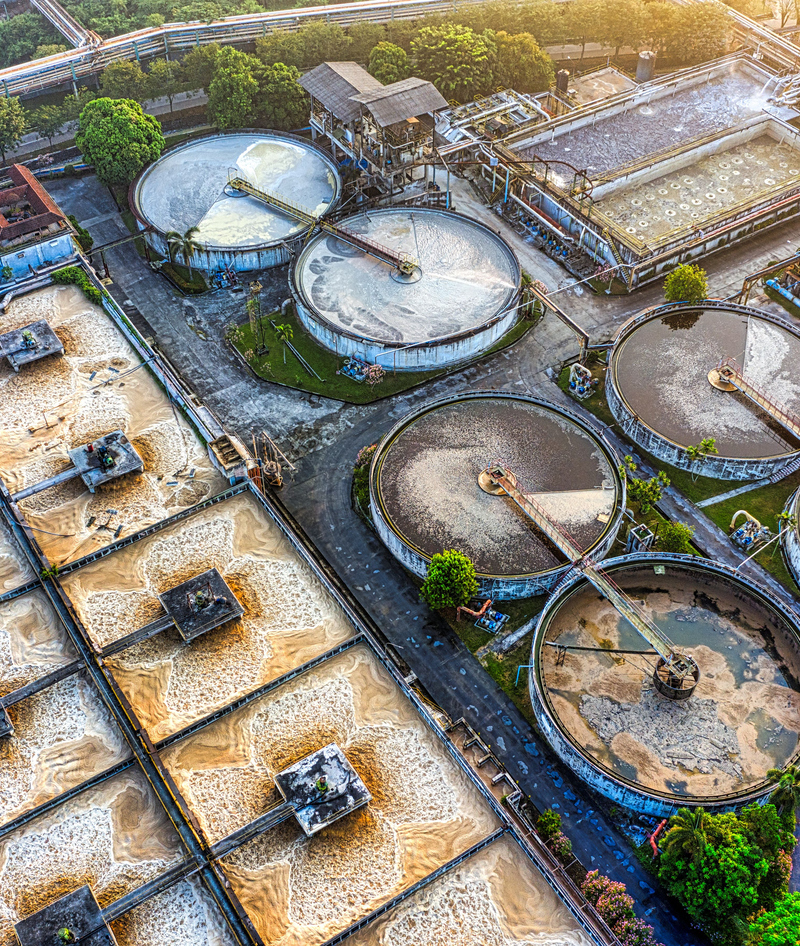
Restoration may require improved sewage treatment, industrial source control, runoff management, waste collection, sediment interventions and habitat measures. Nitrogen and phosphorus can move between water, sediment and organisms without leaving the system.
Oxygenation therefore complements a catchment programme; it is not automatically nutrient removal or permanent pollution remediation.
Plan a Monitored Pilot
Establish baseline oxygen and temperature profiles, flow, nutrients, organic load, clarity and relevant ecological indicators. Include wet and dry conditions where practical, with comparison locations outside the treatment zone.
Set realistic objectives and equipment safeguards for flooding, debris, public access and ecological disturbance. Drinking, bathing, fishing and other safety claims require separate specialist testing and approval.