Put Oxygen Where the Treatment Process Needs It
Palm-oil mills and food processors handle water that changes with raw materials, throughput, product losses and cleaning cycles. Concentrated organic matter, suspended solids, fats and oils can place substantial demand on downstream treatment.
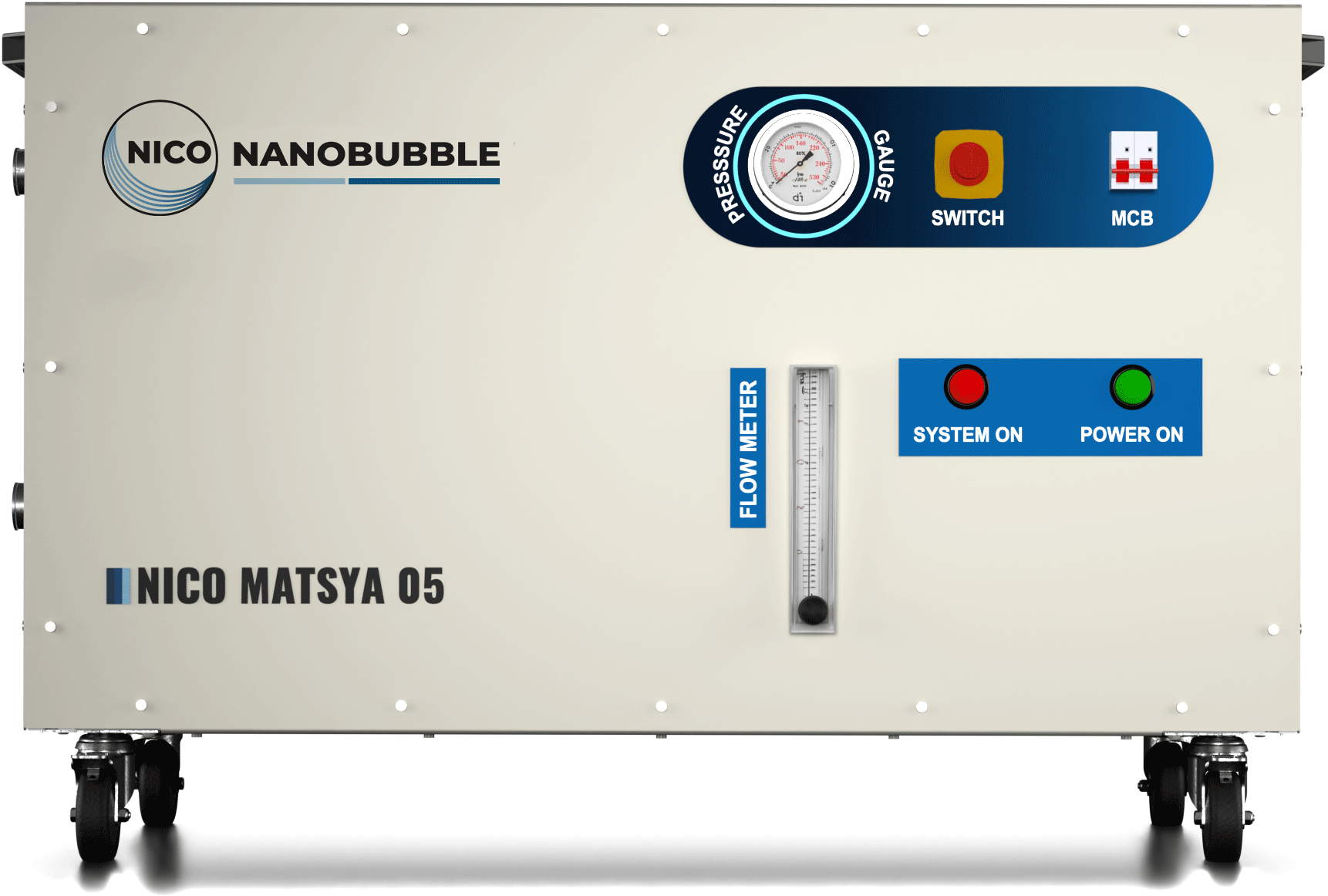
NICO nanobubble systems can be evaluated for suitable aerobic treatment stages and selected polishing duties. Effective integration begins by understanding the complete process, including any cooling, separation, equalisation and anaerobic treatment already in place.
Common Processing Challenges
- Variable wastewater volumes and organic loads
- High temperature or unsuitable pH at the treatment inlet
- Oils, grease and solids that affect pumps and biological processes
- Peak loads during production or equipment cleaning
- Insufficient oxygen in downstream aerobic stages
- Odour from poorly controlled storage or treatment
- Limited access to consistent monitoring and maintenance
- Need to protect downstream discharge or reuse objectives
Understand the Treatment Stage
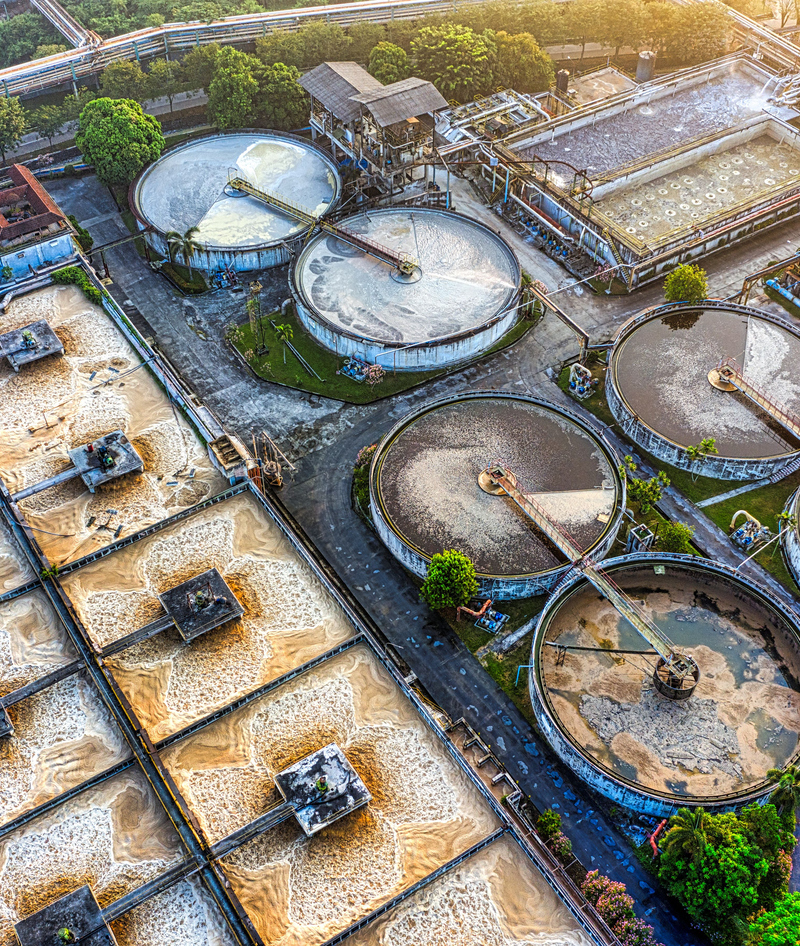
Raw Effluent and Pretreatment: Fresh mill effluent may require cooling and physical treatment before reaching an oxygenation stage. Food-processing wastewater may need screening, oil separation or other pretreatment depending on the stream.
Anaerobic Treatment: Anaerobic digesters and covered lagoons operate without oxygen and may recover biogas. Oxygen nanobubbles are not a routine addition to these units. Any modification requires specialist process and gas-safety review.
Aerobic Treatment: After upstream load reduction, air or oxygen nanobubbles may support biological oxidation in suitable basins or recirculation loops.
Polishing: Selected remaining water-quality objectives may justify further treatment. The choice depends on residual contaminants and the intended discharge or reuse pathway.
Food-Processing Applications
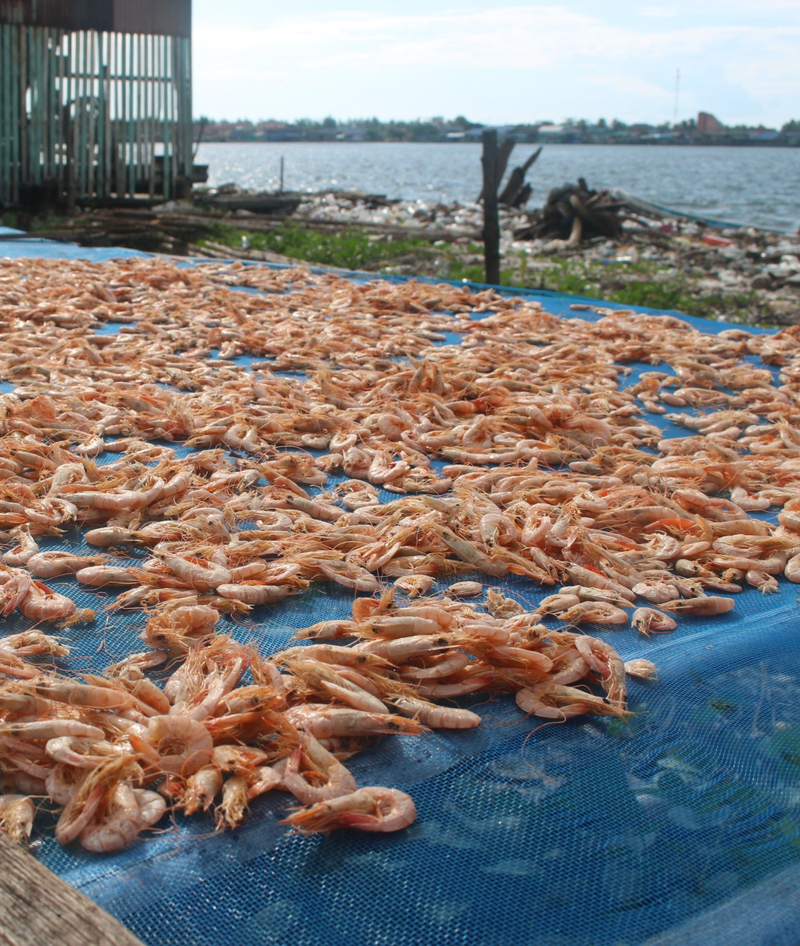
Potential assessment areas include seafood, beverages, fruit and vegetable processing, starch-based products and other food operations. These streams are not interchangeable: solids, salt, nutrients, cleaning chemicals and organic biodegradability can differ substantially.
Keep unusually concentrated or inhibitory streams identifiable during the assessment. Mixing every discharge together can conceal the event causing poor treatment performance. Source control and equalisation may solve problems that added aeration cannot.
Oxidation Requires Separate Testing
Ozone may be evaluated for defined polishing objectives, but it is not a blanket solution for high-strength effluent. Assess oxidant demand, contact time, residuals, by-products, materials and downstream biological effects.
Ozone installations require controlled generation and dosing, exposure safeguards, ventilation and appropriate off-gas management. Do not send uncontrolled residual oxidants into live biological treatment or sensitive receiving environments.
Measure the Complete System
Review flow, BOD, COD, suspended solids, fats and oils, pH, temperature and relevant nutrients before selecting equipment. Use both concentration and mass loading: diluted effluent can still carry a large daily pollutant load.
For pilots, log production throughput, cleaning events, upstream treatment, existing aeration and total energy use. Where biogas recovery is present, maintain a clear boundary between anaerobic and aerobic performance data.
Define a Practical Improvement
Possible objectives include more stable oxygen, improved treatment of biodegradable load or oxygen-related odour reduction. Removal, energy, sludge and compliance results must be verified, not assumed.
Nanobubbles complement the treatment train. They do not replace solids handling, sludge management, process control, laboratory testing or requirements applicable to discharge and reuse.