Oxygen-Rich Water for Controlled Cultivation
Indonesia’s shrimp and fish farms operate across coastal and inland environments with different salinity, water sources and production intensity. Oxygen demand changes as animals grow, feeding increases and organic material accumulates.
NICO systems introduce air or oxygen through a suitable treatment loop. Oxygen-enriched water is returned to selected production or treatment zones, with the arrangement designed around species, biomass and pond or tank conditions.
Common Farm Challenges
- Low dissolved oxygen during night-time and early-morning periods
- Warm water combined with high biological oxygen demand
- Uneven conditions across pond depths and feeding areas
- Organic accumulation from feed, faeces and plankton
- Rain-related changes in salinity, temperature and mixing
- Power interruptions and limited emergency response time
- Variable intake-water quality and biosecurity requirements
How Nanobubbles Can Fit
Support Oxygen Delivery: Evaluate additional oxygen transfer where measurements show the existing arrangement is insufficient.
Target Distribution: Plan return locations around tank circulation, pond geometry and animal distribution. Generator capacity alone does not establish whole-pond coverage.
Integrate with Existing Aeration: Assess nanobubbles alongside paddlewheels, blowers and circulation equipment. Existing devices may provide mixing that must be retained.
Connect Operation with Demand: Use appropriate sensors and schedules to respond to feeding, biomass and measured oxygen, with independent safeguards for stock protection.
Potential Benefits to Assess
- More consistent dissolved oxygen in the intended treatment zone
- Improved visibility of overnight oxygen changes
- Flexible integration with suitable existing water loops
- Modular trials before farm-wide deployment
- Operating schedules based on measured demand
Growth, survival, feed conversion, disease reduction and energy savings are not automatic consequences. They require controlled evidence under representative farm conditions.
Application Areas
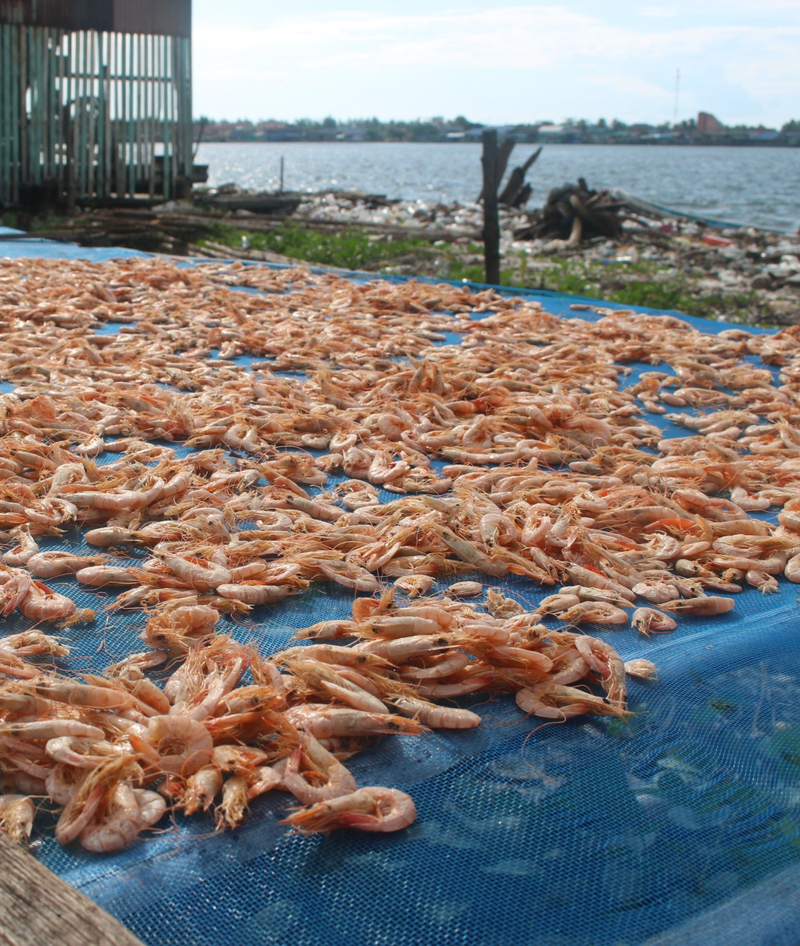
Shrimp Ponds: Evaluate oxygen distribution for compatible whiteleg or tiger shrimp production, considering salinity, pond depth, sediment and existing aeration.
Freshwater Fish Systems: Assess oxygenation in suitable tilapia, catfish and other fish-production tanks or ponds according to actual species needs.
Hatcheries and Nurseries: Use carefully controlled trials reflecting sensitive life stages, intake treatment and water-exchange requirements.
Recirculating Facilities: Coordinate oxygen delivery with solids removal, biofiltration, carbon-dioxide management and other treatment stages.
Design Around the Stock
Provide species, stocking level, feeding schedule, water temperature, salinity, flow, geometry and oxygen records. Include readings at representative depths and before dawn, not only afternoon surface measurements.
Set pilot safeguards, monitoring intervals and emergency procedures before starting. Avoid excessive gas supersaturation and verify suitability for the species and life stage. Nanobubbles do not replace biosecurity, disease management, filtration or reliable backup aeration.