Precise Oxygen Management for High-Value Aquaculture
New Zealand aquaculture is recognised for King salmon, Greenshell mussels and Pacific oysters. These species have different production environments and oxygen needs. Salmon hatcheries and land-based systems actively manage water quality, while shellfish applications may involve hatcheries, nurseries, holding, depuration or intake-water processes rather than open-water grow-out.
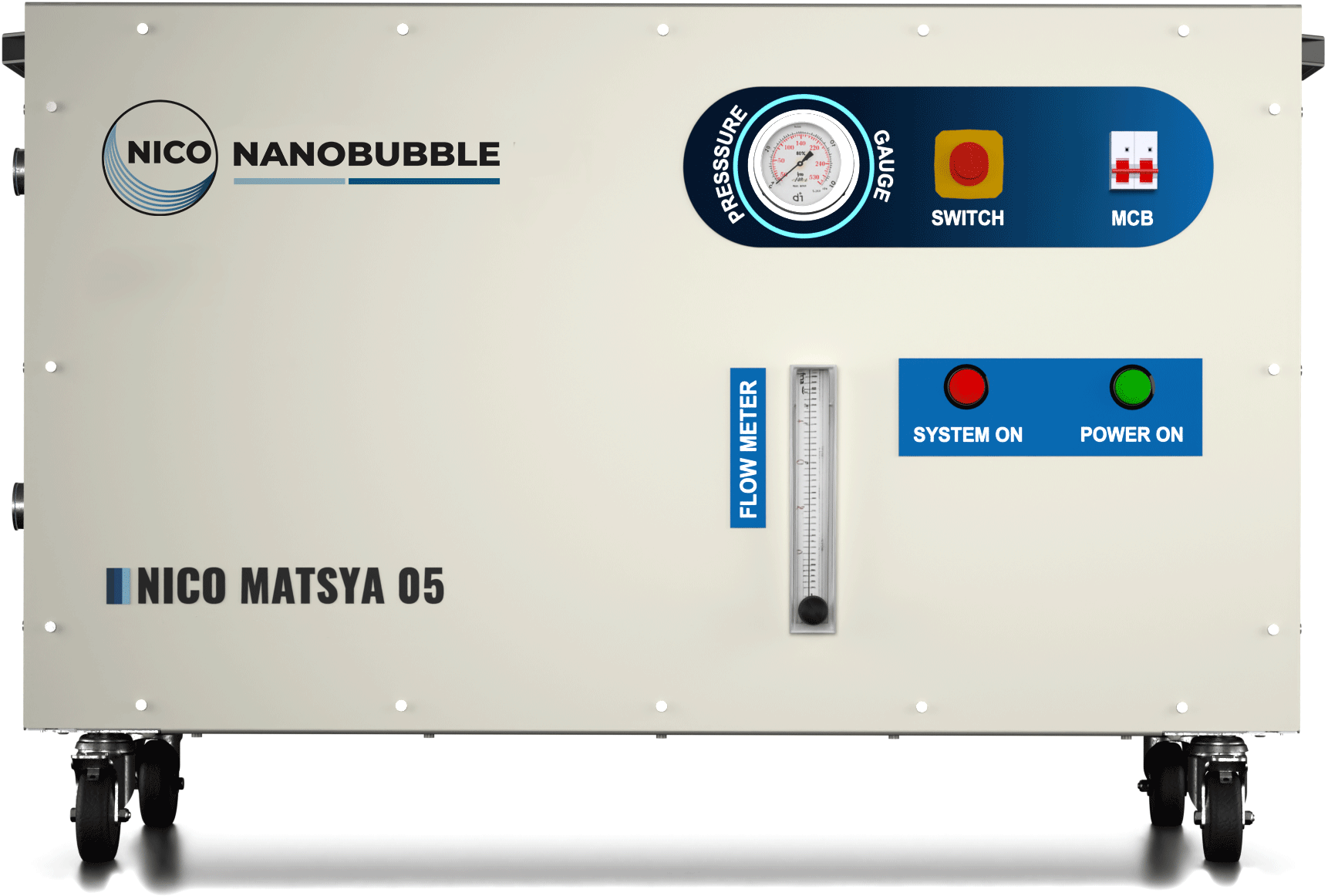
NICO introduces air or oxygen through a designed side-stream loop, returning oxygen-enriched water to selected tanks, raceways, reservoirs or treatment processes.
Common Aquaculture Challenges
- Oxygen demand changing with species, biomass, feeding and temperature
- Variable salinity, pH, source-water quality and seasonal conditions
- Uneven oxygen across tanks, raceways or recirculating loops
- Organic loading from feed, faeces and biological treatment
- Sensitive hatchery and nursery life stages
- High reliability and redundancy requirements
- Biosecurity boundaries between source, production and discharge water
How NICO Systems Can Help
Support Oxygen Stability: Longer gas-water contact can increase the opportunity for oxygen dissolution under suitable hydraulic conditions.
Target Production Zones: Return points can distribute oxygen-enriched water to selected areas without relying only on surface transfer.
Integrate with Treatment: Nanobubbles can complement solids removal, biofiltration, degassing, monitoring and recirculation.
Respond to Demand: Sensors, alarms and schedules can align operation with biomass, feeding, temperature and daily cycles.
Potential Benefits to Evaluate
- More stable dissolved oxygen under defined conditions
- Improved distribution through selected water zones
- Support for aerobic biology and biofilters
- Retrofit pathways for compatible infrastructure
- Monitoring-led operating decisions
- Modular capacity for pilots and expansion
Growth, survival, feed conversion, disease, energy and water-use outcomes depend on the site and require measured evidence.
New Zealand Application Areas
King Salmon: Hatcheries, freshwater stages, land-based production, holding and selected treatment loops.
Greenshell Mussels: Hatchery, nursery, holding or process-water applications where controlled oxygenation is relevant.
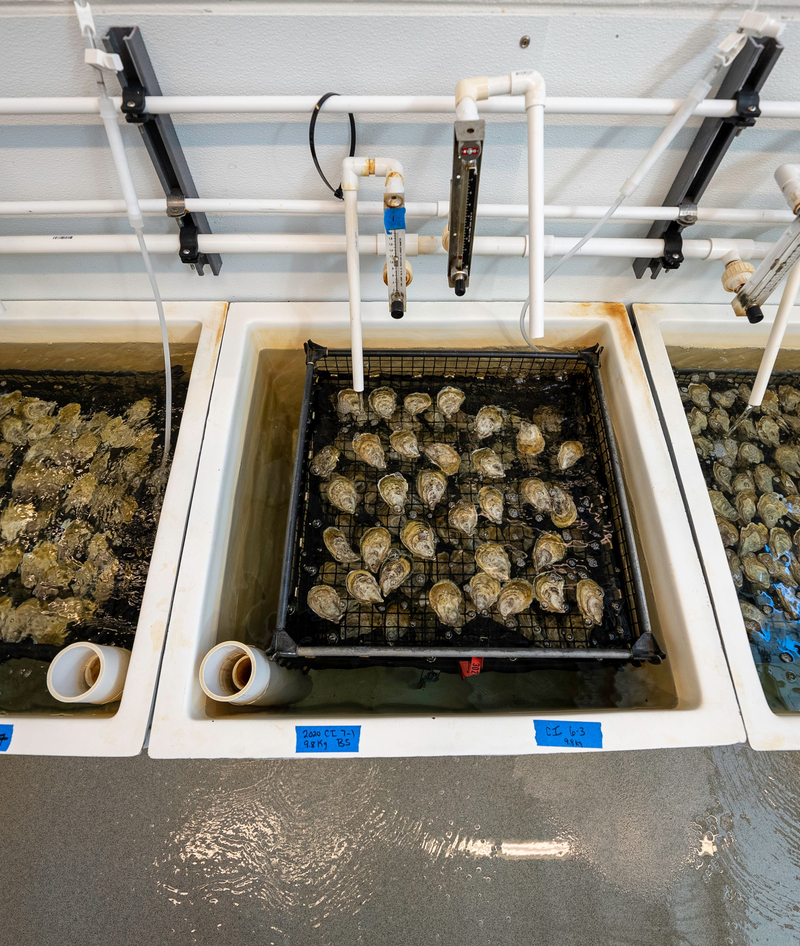
Pacific Oysters: Hatchery, nursery, holding and compatible recirculating-water duties.
Research and Biosecurity: Controlled systems for testing oxygen demand, water treatment and scale-up while maintaining appropriate separation.
Design Around Species and Place
Selection considers species, life stage, biomass, feeding, water volume, flow, temperature, salinity, oxygen profile, existing treatment, power and redundancy. Monitoring should cover representative locations and high-demand periods.
Nanobubbles do not replace husbandry, biosecurity, fish-health management, appropriate stocking or discharge controls. Open-ocean or marine-farm deployment needs separate ecological and regulatory assessment; results from tanks or hatcheries cannot simply be transferred offshore.
Critical systems should retain emergency aeration or oxygen and contingency plans for pump, power, gas and sensor failure. Any pilot should compare representative conditions and record stock, feeding, water exchange and treatment changes.
NICO Nanobubble New Zealand.
helps producers achieve higher stocking densities safely and sustainably.