Supporting Better Effluent Management on New Zealand Dairy Farms
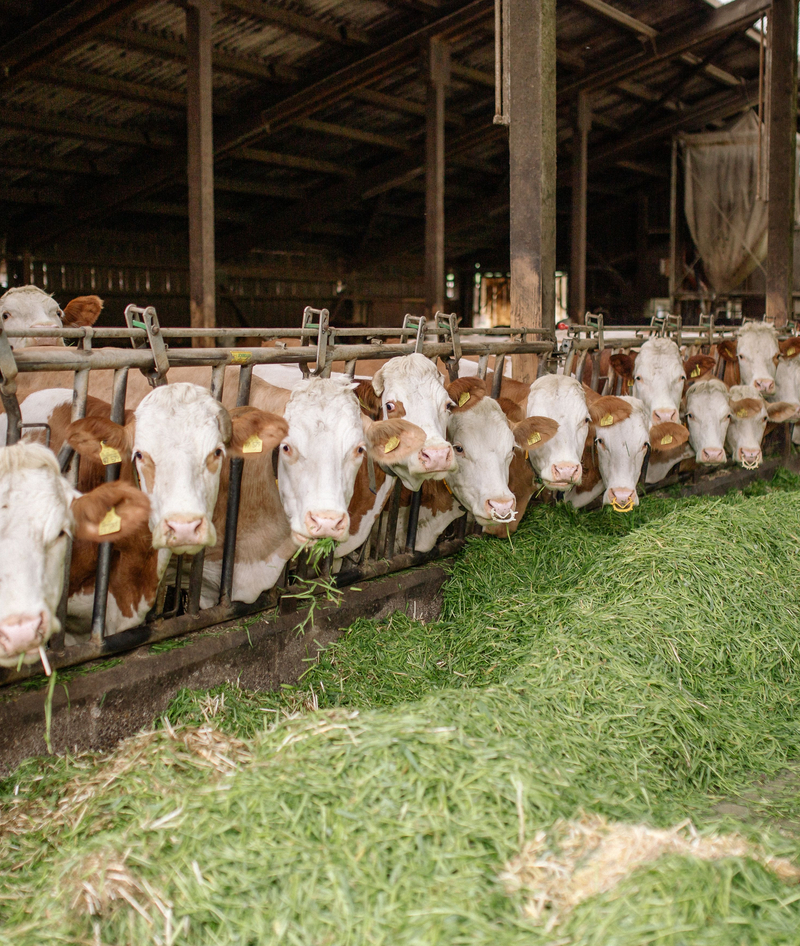
Farm dairy effluent is a valuable nutrient resource when it is stored, treated and applied appropriately. It can also create operational and environmental risk when solids accumulate, storage becomes anaerobic, odour develops or land application occurs under unsuitable conditions.
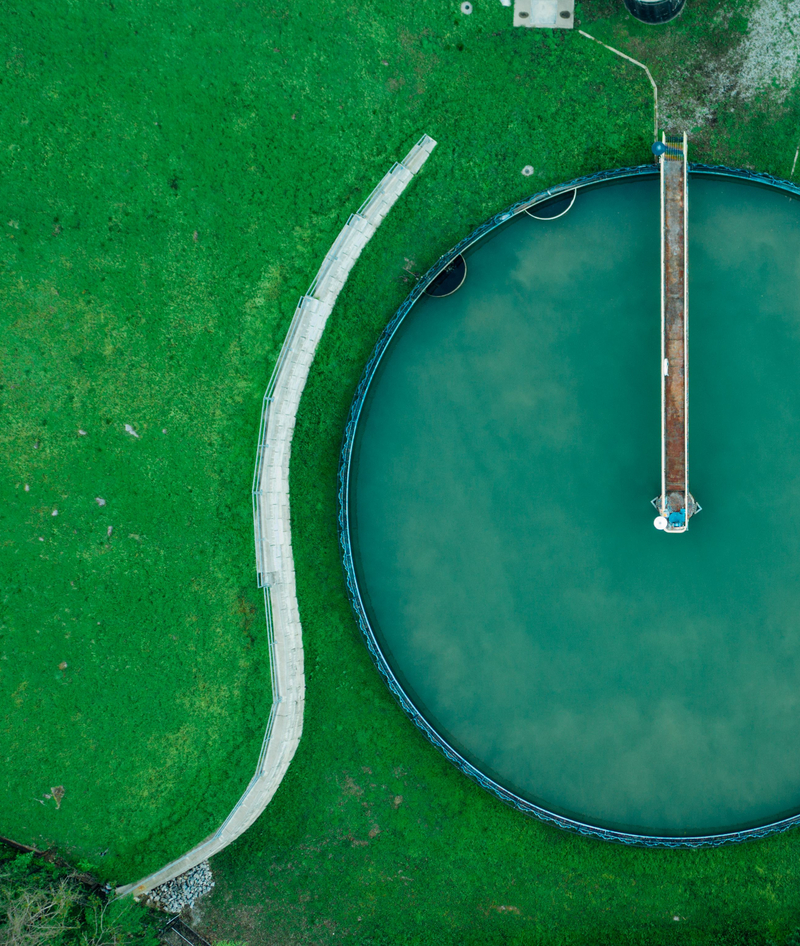
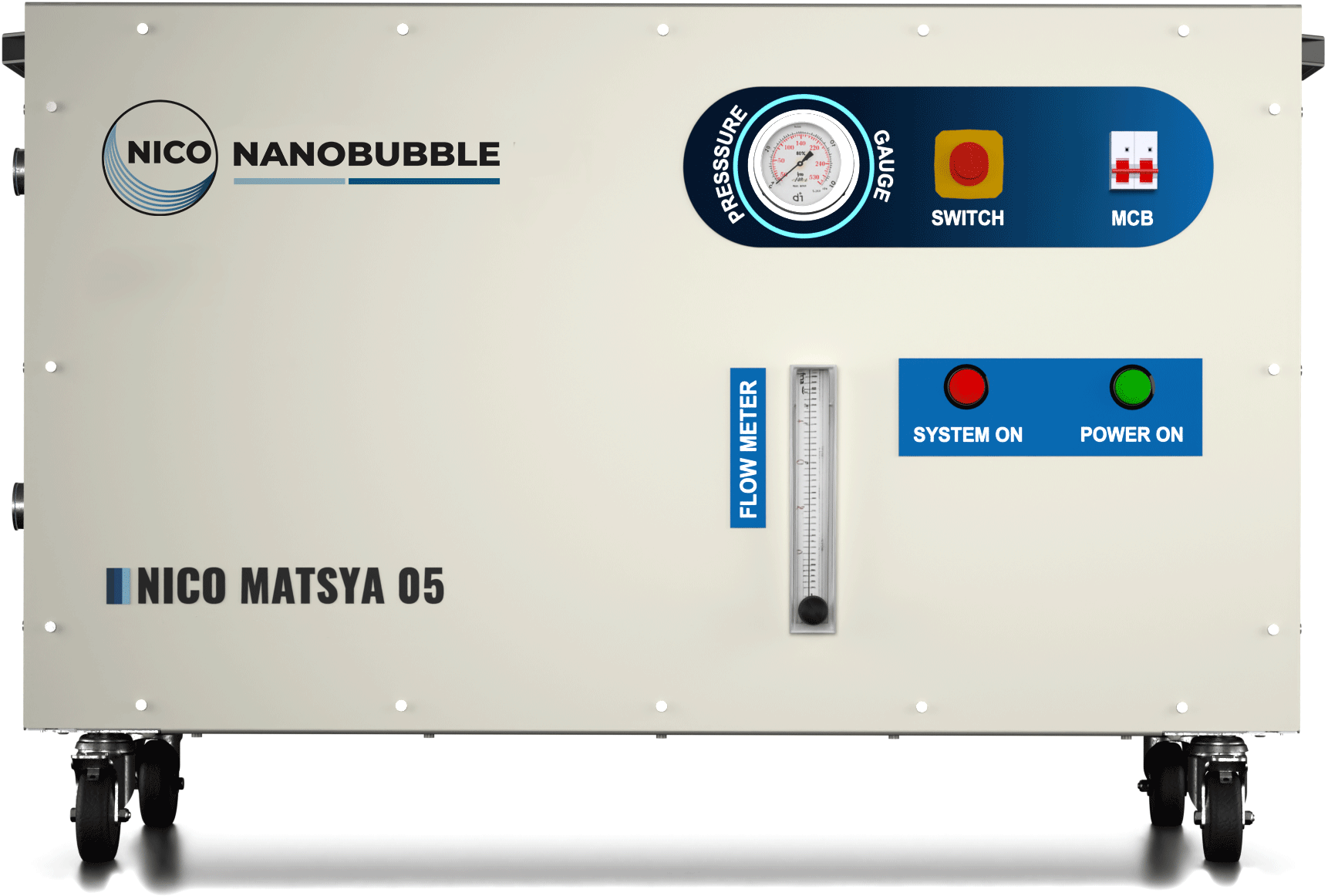
NICO systems can introduce air or oxygen nanobubbles into selected ponds or aerobic treatment loops. The objective is to support oxygen transfer and mixing where these processes form part of the farm’s wider effluent-management plan.
Common Farm Challenges
- Variable solids and organic loading from yards, sheds and feedpads
- Sludge accumulation that reduces effective storage volume
- Low oxygen and odour formation in storage or treatment ponds
- Seasonal rainfall, soil moisture and limited irrigation windows
- Remote pond locations with restricted power or access
- Hydraulic short-circuiting and uneven pond circulation
- The need to protect land, groundwater and receiving waterways
How Nanobubble Treatment Can Fit
Oxygen Transfer: Ultra-fine bubbles provide extended gas-water contact, supporting dissolved-oxygen delivery in a designed treatment loop.
Aerobic Conditions: Improved oxygen may support aerobic biological processes where biodegradable organic load is present.
Odour Management: Maintaining oxygen can help reduce anaerobic odour formation when oxygen deficiency is a contributing cause.
Retrofit Options: Shore-based side-stream systems may integrate with selected existing ponds, pumps and pipelines after hydraulic review.
Complete-System Requirements
Nanobubbles do not replace solids separation, adequate storage, agitation, irrigation design or responsible land application. High-solids effluent may require separation before oxygenation, while existing sludge can affect pump selection and treatment distribution.
The system must suit regional rules, resource consents, farm infrastructure and soil conditions. Effluent should be applied at appropriate rates and times to minimise ponding, runoff and nutrient loss.
What We Assess
- Herd and production-system characteristics
- Effluent sources and daily or seasonal volume
- Solids, BOD, COD, pH, nutrients and temperatureq
- Pond dimensions, depth, sludge and current mixingq
- Pumps, power, pipework and site access
- Odour pattern and neighbouring receptors
- Land-application system and storage requirements
- Receiving environment and compliance objectives
System and Operating Options
A bare mixer may suit a farm with compatible pumps and pipework. A matched pump package provides a coordinated recirculation loop, while an automated skid can add dissolved-oxygen monitoring, alarms, schedules and data logging.
Return-water placement should promote treatment coverage without disturbing settled solids unnecessarily. Intake protection must reflect fibrous and abrasive material. Outdoor electrical equipment, gas supply and controls require suitable environmental protection, and remote sites need a realistic maintenance and failure-response plan.
Treatment schedules may respond to pond temperature, odour pattern, effluent loading and available power. Operation should not reduce the storage capacity needed for safe land-application timing.
Pilot and Performance Review
Where suitability is uncertain, a pilot can establish baseline dissolved oxygen, odour indicators, solids behaviour, energy use and relevant water-quality measures. Results should be interpreted alongside rainfall, herd activity, wash-water volume, pond level and management changes.
No standard removal or energy result should be assumed. System value must be demonstrated under representative New Zealand farm conditions.
Useful comparisons may include pond zones or periods with similar loading. Where laboratory indicators are used, sampling should capture both mixed and settled conditions and follow an agreed method. Operational records should note solids removal, agitation, rainfall and unusual discharges so they are not mistaken for nanobubble effects.
NICO Nanobubble New Zealand.
helps producers achieve higher stocking densities safely and sustainably.