Transforming Wastewater Aeration Efficiency at a
Leading Metal & Mining Company
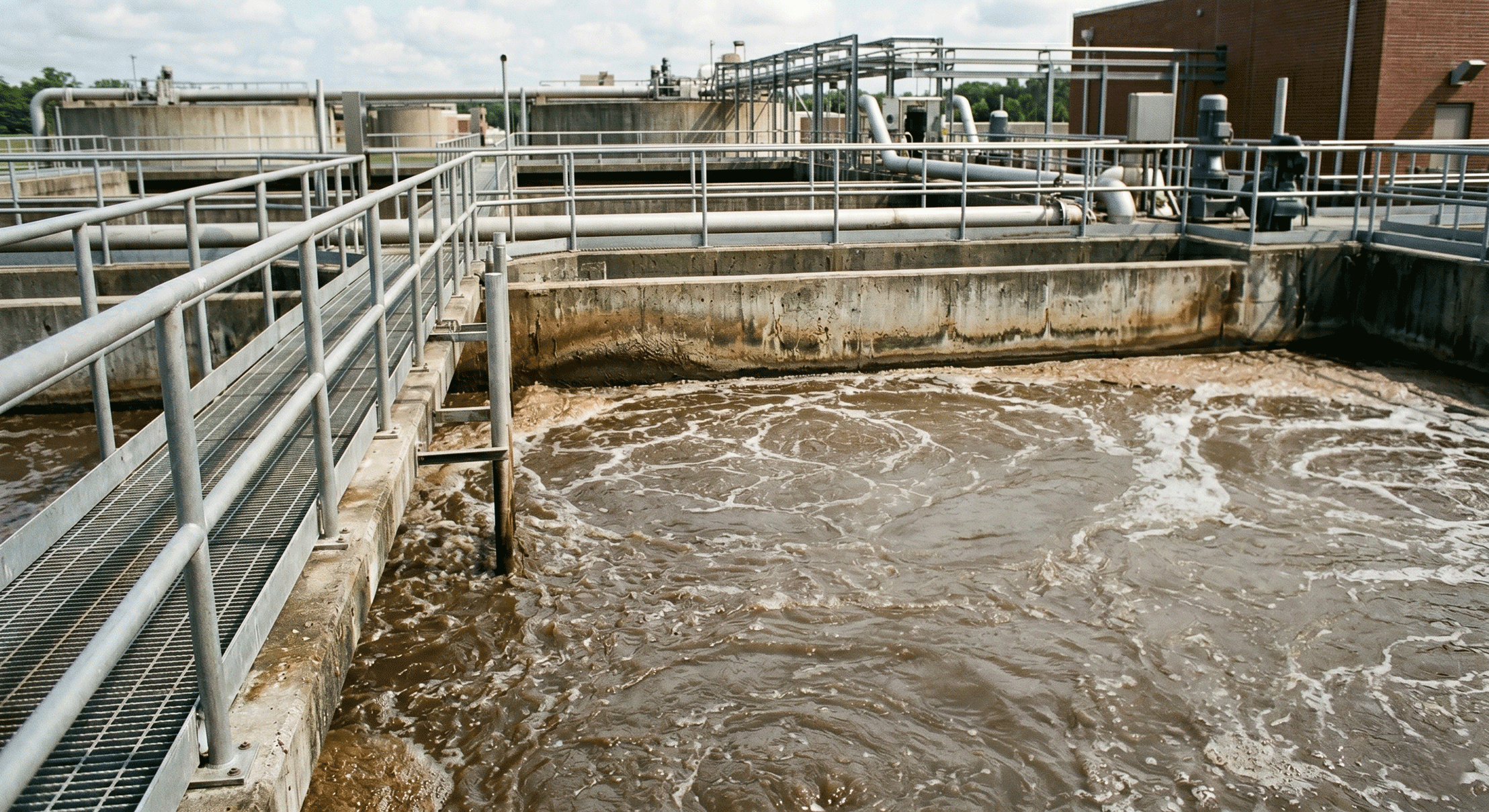
A leading Indian metal & mining company operating a sewage treatment plant (STP) sought to improve aeration efficiency, enhance dissolved oxygen (DO) levels, and reduce overall energy consumption within its wastewater treatment process. The existing treatment environment exhibited oxygen-deficient conditions, impacting process efficiency and operational performance.
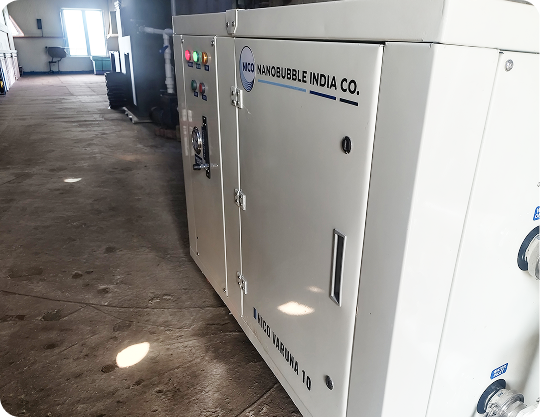
To address these challenges, NICO deployed its VARUNA 10 Nanobubble System integrated with oxygen and ozone delivery technology. The project was commissioned and validated under actual operating conditions to evaluate improvements in oxygen transfer, oxidation performance, and energy efficiency.
Before the deployment of the NICO VARUNA system, the treatment plant faced several operational challenges that affected treatment efficiency and process stability.
These conditions highlighted the requirement for a more efficient oxygen transfer solution capable of improving treatment performance while reducing energy consumption.
NICO installed the VARUNA 10 Nanobubble System with integrated oxygen and ozone delivery to enhance oxygen transfer and oxidation performance within the STP.
The system was commissioned between 09–16 March 2026 and evaluated under real plant operating conditions. Through nanobubble generation technology, the system was designed to maximize gas dissolution, improve dissolved oxygen availability, and create favorable oxidation conditions for wastewater treatment.
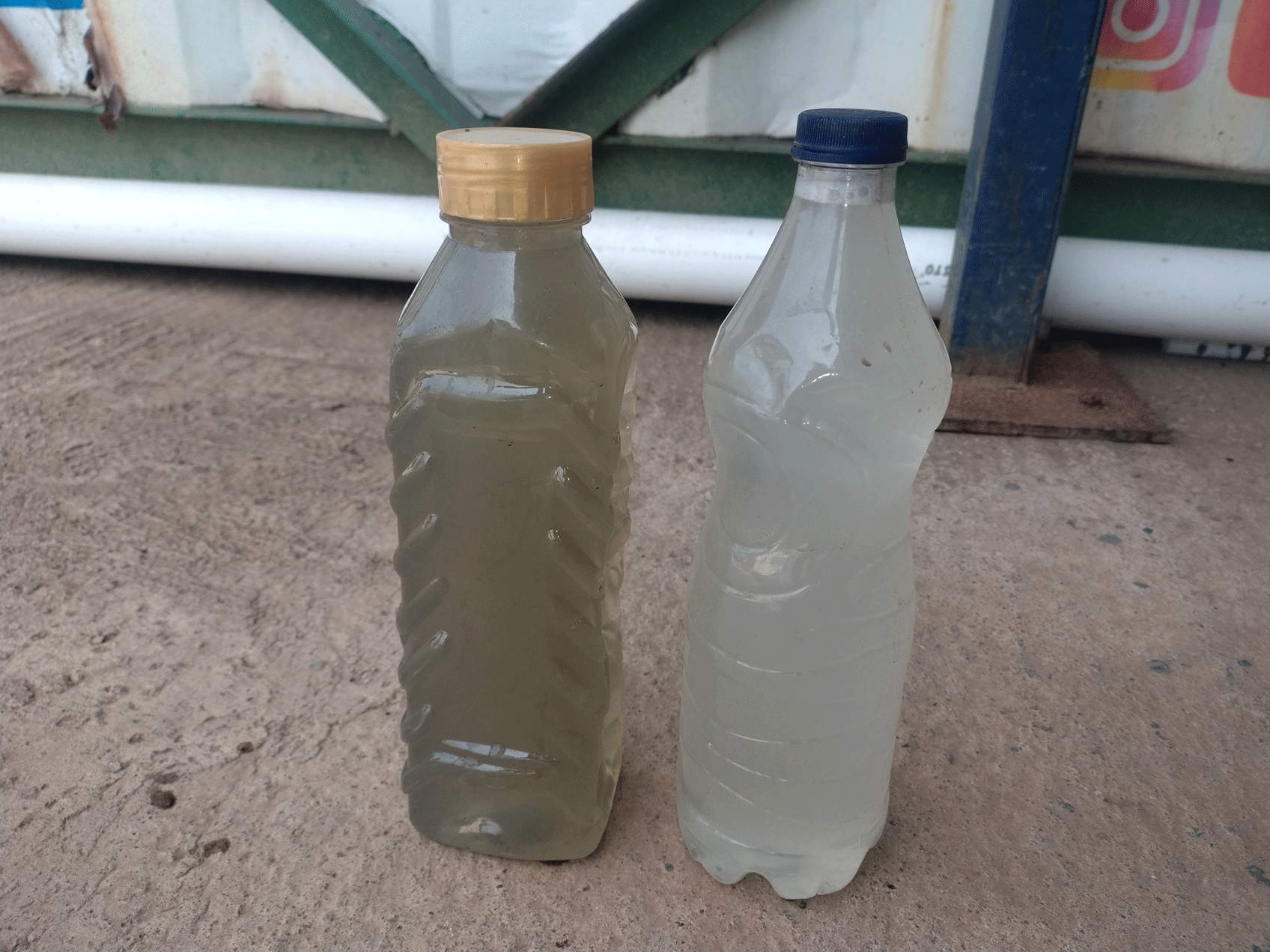
Comparison: Initial vs Final
(Post 10-Minute Circulation with NICO Varuna 10)
| Parameter | Initial Condition | Competitor Nanobubble System | NICO Nanobubble System | |
|---|---|---|---|---|
| DO (mg/L) | 0.25–0.30 | 7.3–10.5 | 10.7–12.1 | |
| ORP (mV) | -300 | -100 to -200 | > -200 |
The NICO Nanobubble System delivered significantly higher dissolved oxygen levels while simultaneously improving oxidation conditions within the treatment process.
Additional recirculation trials demonstrated dissolved oxygen levels of approximately 30 mg/L within 20 minutes, indicating oxygen supersaturation levels that are difficult to achieve using conventional aeration approaches.
| System | Power Consumption (kW) | |||
|---|---|---|---|---|
| Competitor Nanobubble System | 88.7 | |||
| NICO Nanobubble System | 20.4 | |||
| Power Saving | 68.3 |
| Parameter | Value | ||
|---|---|---|---|
| Daily Energy Saving | 1,093 kWh/day | ||
| Annual Energy Saving | 398,872 kWh/year | ||
| Electricity Tariff | ₹10/unit | ||
| Annual Cost Saving | ₹39.88 Lakhs |
The deployment resulted in approximately 77% reduction in energy consumption, delivering substantial operational savings and improving overall treatment economics.
The implementation of NICO Nanobubble Technology generated measurable improvements across operational and economic parameters:
The deployment of the NICO VARUNA 10 Nanobubble System at a leading Indian metal & mining company successfully enhanced wastewater aeration performance while significantly reducing operational energy consumption. The system demonstrated remarkable improvements in dissolved oxygen levels, oxidation conditions, and treatment efficiency under real operating conditions.
By achieving dissolved oxygen levels exceeding 10 mg/L during single-pass operation and delivering approximately 77% energy savings, the project validated the effectiveness of nanobubble technology as an advanced and energy-efficient solution for modern wastewater treatment facilities. The results demonstrate its potential to support sustainable operations, lower treatment costs, and improved process performance across industrial wastewater applications.