Compact Gas Transfer for Demanding Treatment Processes
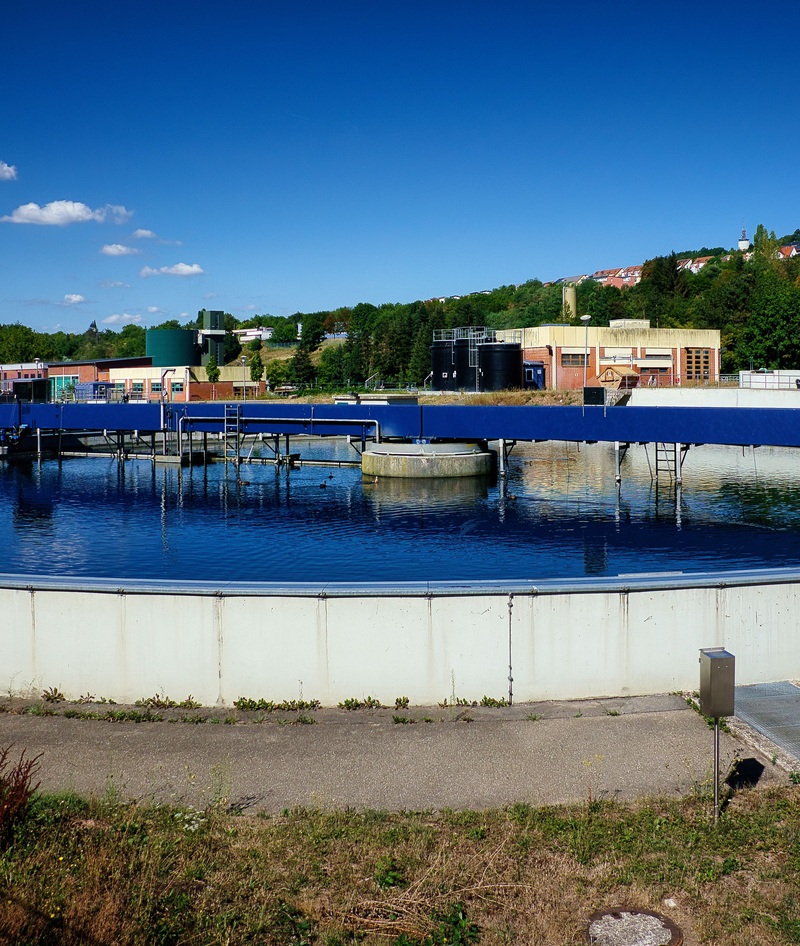
Japanese wastewater systems serve dense communities and advanced industries where plant footprint, operating reliability, odour, energy and water quality all matter. Industrial influent may also change with production, cleaning cycles and raw materials.
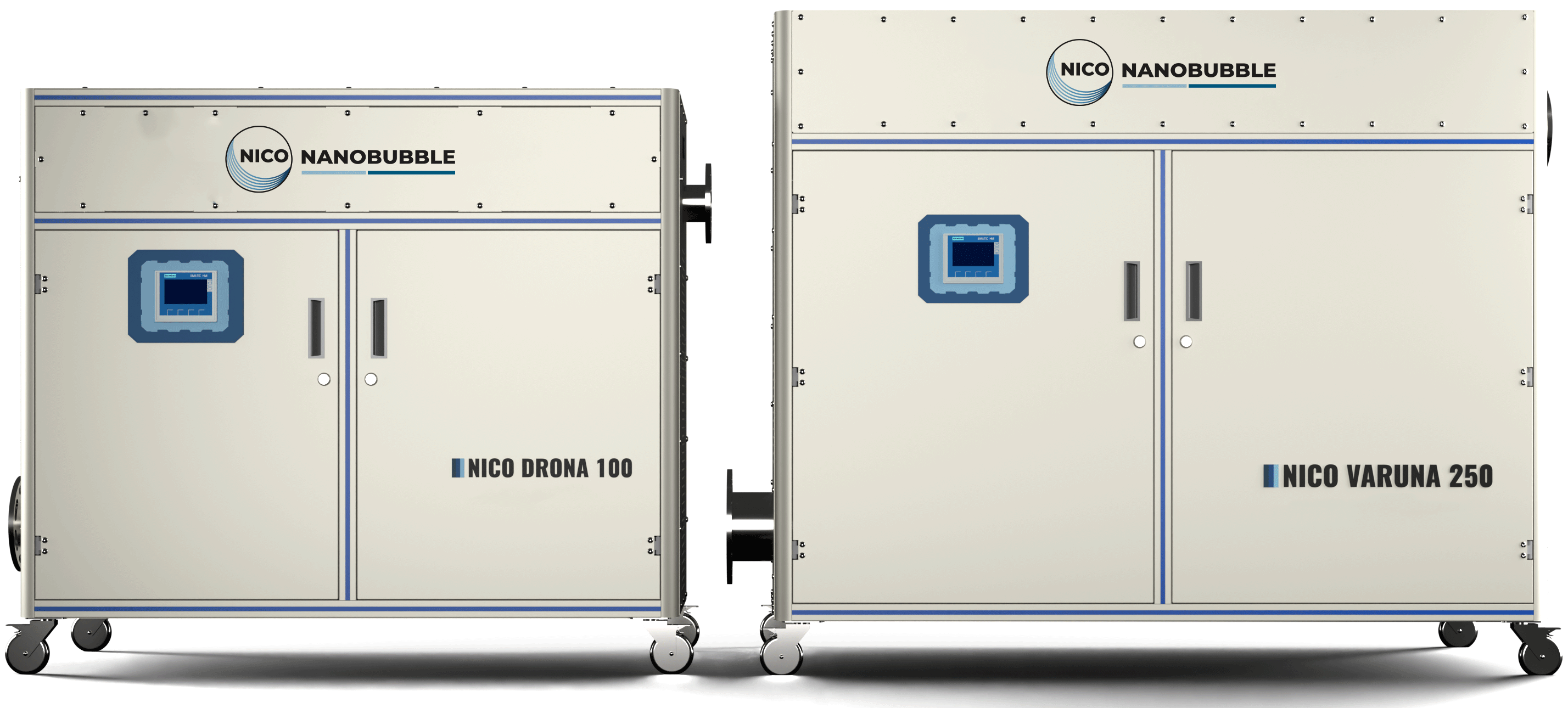
NICO systems can introduce air, oxygen or, for appropriately controlled duties, ozone through a side-stream treatment loop. The configuration is selected around the biological, oxidation or polishing objective.
Common Treatment Challenges
- Variable hydraulic and organic loading
- Limited basin space for additional equipment
- Uneven oxygen distribution or ageing aeration assets
- High-strength food, beverage and manufacturing effluent
- Odour formation in collection, equalisation or treatment stages
- Difficult-to-treat colour or selected dissolved compoundsq
- Need for automation, alarms and verifiable operating data
- Stringent discharge, reuse and receiving-environment requirements
How Nanobubble Technology Works
Ultra-fine bubbles provide a large gas-water interface and remain suspended longer than coarse bubbles. This creates more opportunity for oxygen or ozone to transfer and interact with the water. Actual transfer depends on gas purity, temperature, salinity, pressure, solids, chemistry, hydraulics and distribution.
A side-stream arrangement draws water through a pump and NICO mixer before returning it to a tank, basin, lagoon or pipeline. Return points must deliver treated water where it is needed without creating hydraulic short-circuiting.
Aerobic Wastewater Treatment
Oxygen Transfer: Air or oxygen nanobubbles may supplement oxygen delivery where biological demand exceeds existing capacity.
Process Stability: Sensor-led operation can respond to changing dissolved oxygen, load or production schedules within agreed control limits.
Odour Management: Maintaining aerobic conditions may help where oxygen deficiency contributes to anaerobic odour formation.
Retrofit Integration: Shore- or floor-mounted side-stream packages can be evaluated for selected tanks and basins with limited disruption.
Oxidation and Polishing
Ozone nanobubbles may be assessed for selected colour, odour, organic-compound, cleaning or disinfection-related objectives. Ozone is not a universal solution. Treatability testing should examine dose, contact time, residual, by-products, downstream effects and analytical endpoints.
Materials must be ozone-compatible, and the system requires controlled gas generation, monitoring, ventilation, off-gas destruction, leak detection, alarms and trained operating procedures.
Industries and Municipal Uses
- Municipal sewage and decentralised treatment systems
- Food, beverage and seafood-processing wastewater
- Electronics, precision engineering and component manufacturing
- Pulp, paper, textile and chemical processes
- Equalisation tanks and high-load aerobic stages
- Selected tertiary polishing and reuse applications
- Odour-control loops in collection or treatment assets
Each duty requires its own water analysis and process review. Performance from one industry or plant should not be transferred directly to another.
Potential Benefits to Evaluate
- Improved oxygen distribution within compatible process zones
- Additional treatment capacity without immediately expanding basin volume
- Flexible side-stream retrofits with limited structural modification
- Controls that respond to measured process demand
- Support for odour management where low oxygen is causal
- Modular pilot and expansion pathways
- Better process visibility through sensors and data logging
Energy, removal, sludge, odour and compliance outcomes must be compared against a representative baseline.
From Baseline to Verified Performance
NICO reviews influent and effluent data, diurnal and seasonal flows, pollutant loads, tank geometry, current aeration, power, controls and treatment objectives. Relevant indicators may include dissolved oxygen, ORP, BOD, COD, nitrogen, phosphorus, solids, colour, odour compounds, energy and application-specific contaminants.
NICO Nanobubble Japan.
A pilot should define sampling locations, operating conditions, laboratory methods and success criteria. Nanobubbles do not replace screening, equalisation, solids removal, biological treatment, filtration, disinfection, risk management or regulatory validation.