Targeted Oxygenation Within Integrated Restoration
Japan’s lakes, reservoirs, urban ponds and rivers provide habitat, recreation, storage and community value. Some experience low oxygen, stratification, organic sediment, odour or algae-related pressures.
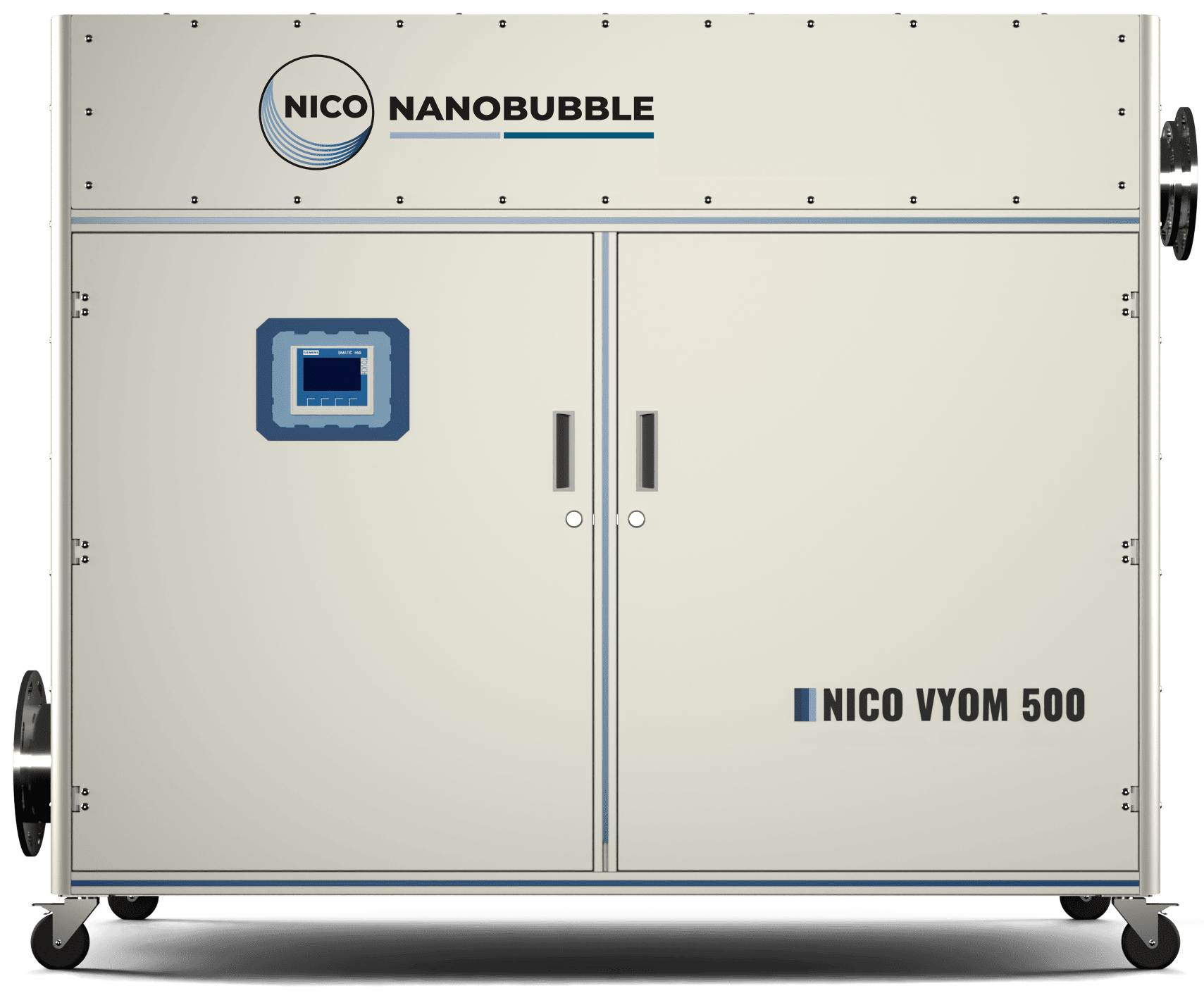
NICO systems can recirculate water through a side-stream loop and return oxygen-enriched water to selected zones. The purpose is to support oxygen conditions within a wider, evidence-led restoration programme.
Common Water-Body Challenges
- Oxygen depletion in deeper or poorly circulated zones
- Seasonal warming, stratification and storm-driven change
- Nutrients entering from catchments, wastewater or stormwater
- Oxygen demand from organic sediment and decomposing biomass
- Algae, odour, discolouration and reduced amenity
- Complex ecological and community objectives
How NICO Nanobubble Technology Can Help
Targeted Oxygenation: Air or oxygen can be delivered through recirculation loops serving selected depths or locations.
Support Aerobic Processes: Improved oxygen may support aerobic activity where oxygen limitation is part of the diagnosed problem.
Limit Unwanted Disturbance: Return arrangements can be designed to improve treatment coverage while considering sediment and stratification objectives.
Enable Monitoring: Sensor data can connect system operation with depth profiles, temperature, weather and water-quality change.
Potential Benefits to Evaluate
- More stable dissolved oxygen in defined treatment zones
- Reduced duration or extent of local oxygen depletion
- Support for odour management where anaerobic conditions contribute
- Modular treatment for pilots and phased programmes
- Better visibility through depth-based and time-based monitoring
Nanobubbles should not be presented as a guaranteed algae cure, nutrient-removal method or proof of safe water.
Applications Across Japan
Urban and Landscape Ponds: Compact loops for ponds affected by low circulation or organic loading.
Lakes and Reservoirs: Depth-informed trials where low bottom-water oxygen is documented.
Slow-Moving River Reaches: Oxygen support within programmes addressing inflow and pollution sources.
Irrigation and Amenity Water: Conditioning storage water while protecting operational and ecological functions.
Restoration Requires More Than Oxygen
Low oxygen is often a symptom of wider pressures. Nitrogen, phosphorus, sediment and organic matter may arrive through runoff, groundwater, wastewater and stormwater. Oxygenation does not stop these inputs.
A responsible plan examines catchment sources, hydrology, sediments, habitat, aquatic ecology and community use. Complementary measures may include source control, wetland or riparian work, wastewater improvements, sediment management and biomass removal.
Plan a Measured Programme
Baseline assessment may include dissolved-oxygen and temperature profiles, flow, nutrients, chlorophyll, clarity, sediment condition and biological indicators. Monitoring locations and success criteria should reflect the stated objective.
NICO Nanobubble Japan.
Pilots must account for seasonal variation, storms and continuing inputs. Any claims relating to algae, toxins, pathogens, swimming, fisheries or ecosystem recovery require appropriate specialist assessment and verified evidence.