Support Healthier Managed Water Bodies
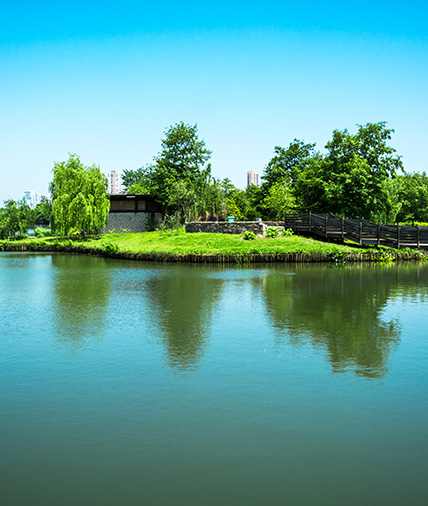
Malaysian urban lakes, landscape ponds and estate water bodies can experience low oxygen, odour or excess biological growth. Warm conditions, accumulated organic material and incoming nutrients may interact to create persistent problems.
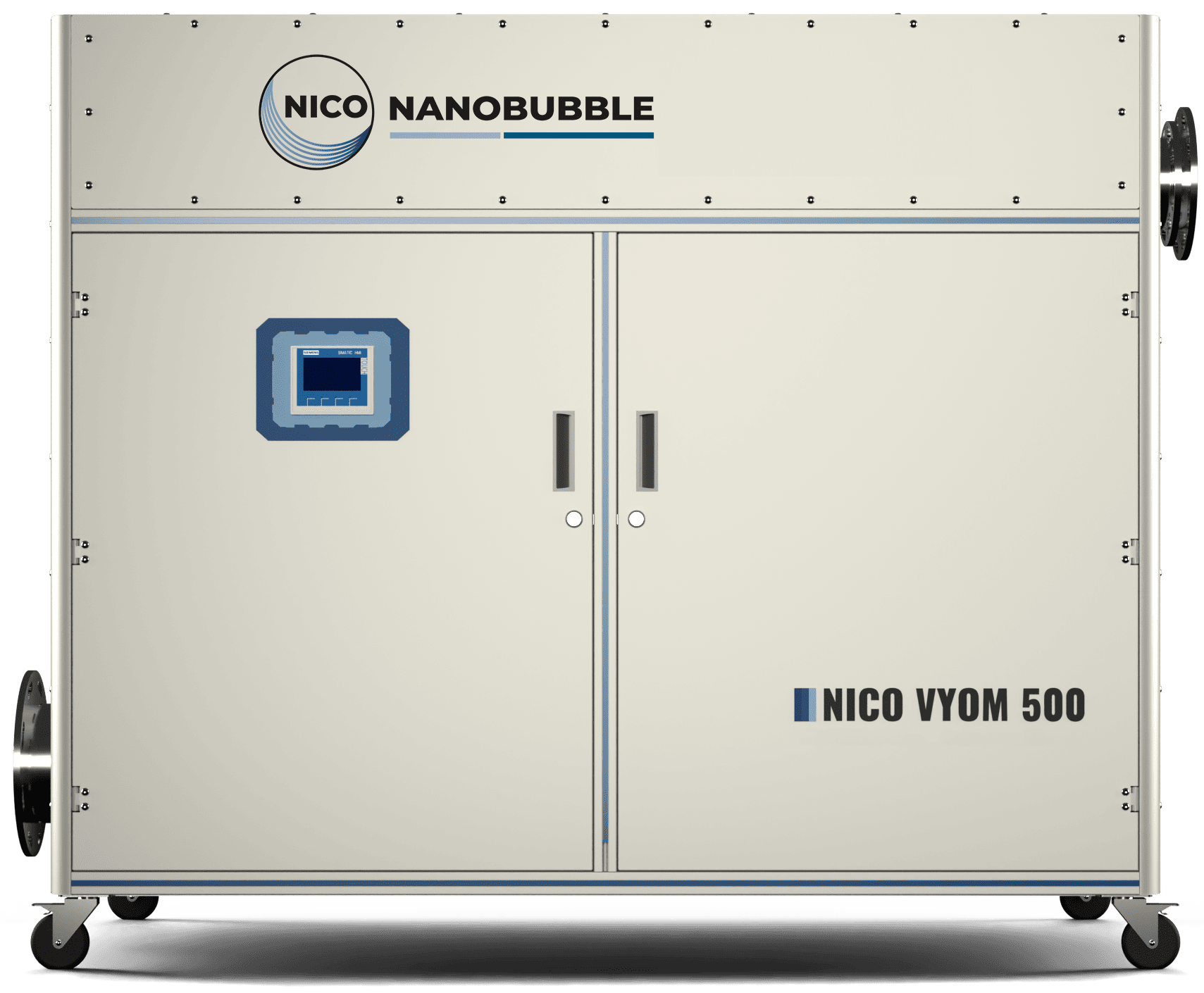
NICO nanobubble systems can be evaluated for targeted oxygen delivery in selected zones. The approach begins with diagnosis: understand the inflows, sediment and water movement before deciding where equipment should operate.
Common Water-Body Challenges
- Low oxygen in deeper or poorly circulated areas
- Nutrients entering through drainage or runoff
- Organic sediment and decomposing plant material
- Daily oxygen variation linked to biological activity
- Odour affecting nearby users or properties
- Rainfall-driven changes in level and inflow
- Different habitat, landscape and recreational objectives
How Oxygenation May Contribute
Target the Deficient Zone: Use oxygen and temperature profiles to identify where treatment is required rather than relying only on surface appearance.
Support Aerobic Conditions: Assess whether oxygen availability improves the intended local conditions without assuming complete ecological recovery.
Plan Circulation Carefully: Choose return locations with attention to sediment disturbance, depth and existing stratification.
Monitor the Response: Link system settings with readings across depth, time and changing weather.
Potential Benefits to Measure
- Shorter periods of oxygen deficiency in the target area
- More consistent oxygen where hydraulic conditions allow
- Support for oxygen-related odour management
- Better information for phased restoration decisions
- A defined contribution to a wider management programme
Clearer water or higher oxygen does not establish that pathogens, toxins or pollutants have been removed. Algae control and nutrient removal need separate evidence.
Application Areas
Urban and Residential Lakes: Assess drainage connections, public access and continuing pollutant inputs alongside equipment requirements.
Landscape and Amenity Ponds: Review feeding, organic debris, planting and circulation where these influence water condition.
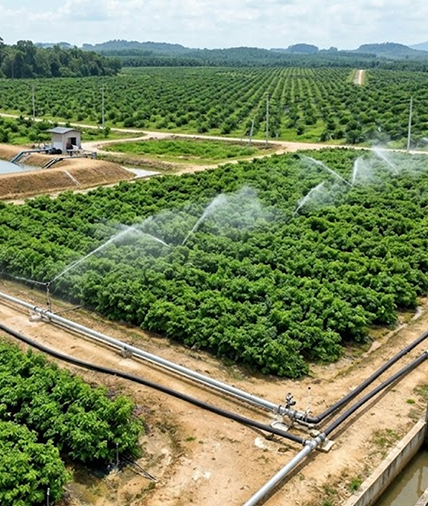
Estate and Irrigation Water Bodies: Consider operational water use, fluctuating levels and the quality needed at abstraction points.
Selected Former Mining Lakes: Assess depth, chemistry and sediments specifically. Oxygenation should not be presented as a general solution to legacy contamination.
Manage the Causes as Well as the Symptoms
Identify wastewater connections, nutrient runoff, erosion and accumulated material. Measures may include source control, stormwater improvements, litter management or sediment interventions.
Nitrogen and phosphorus can move between water, organisms and sediment without leaving the lake. Additional oxygen therefore does not automatically mean nutrient removal.
Plan an Evidence-Led Pilot
Establish baseline oxygen, temperature, nutrients, clarity and relevant ecological indicators. Include representative depths and times, with comparison locations where practical.
Define realistic objectives and account for rainfall, inflow and management changes. Design for debris, flooding, electrical protection and public access. Claims about bathing, fishing or other safe uses require appropriate specialist assessment and verification.