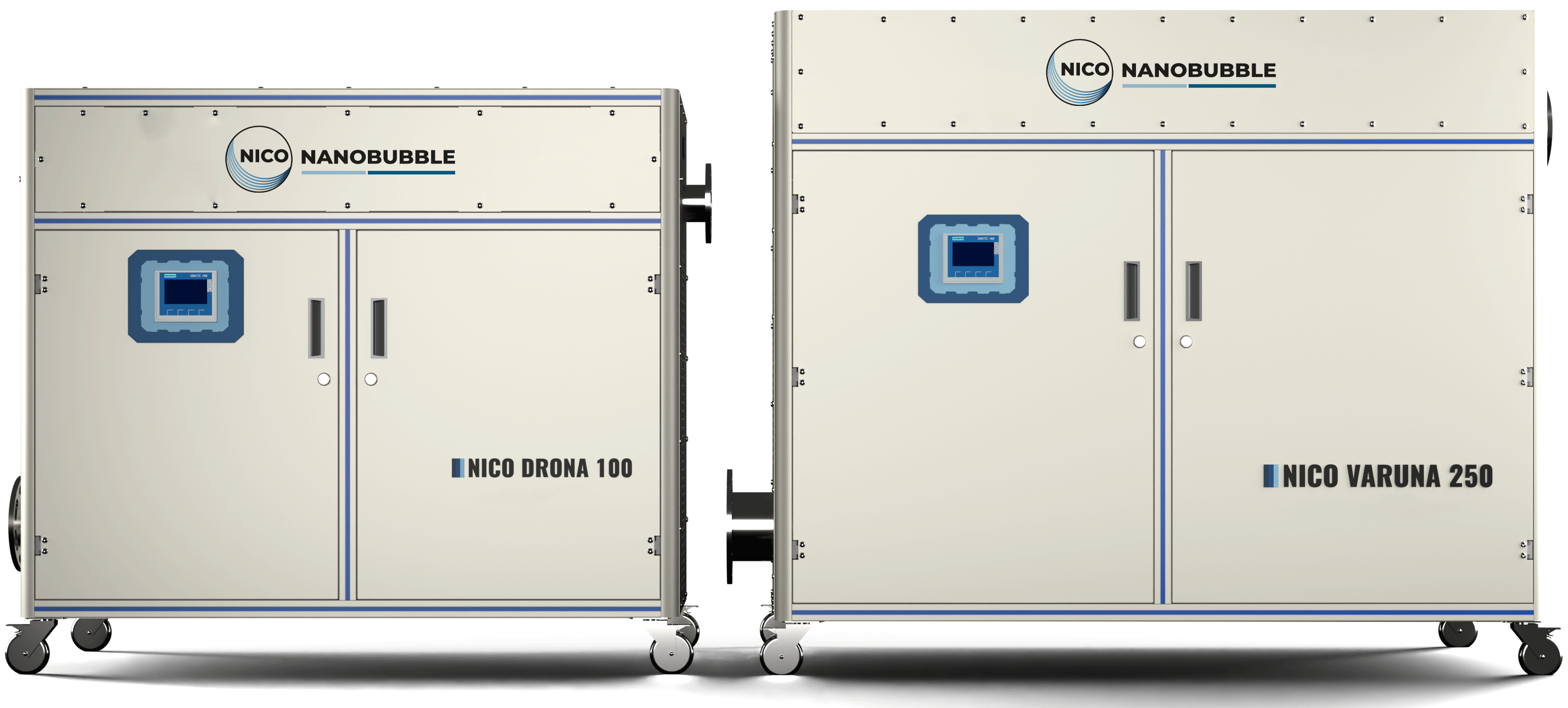
Gas Transfer That Fits the Treatment Process
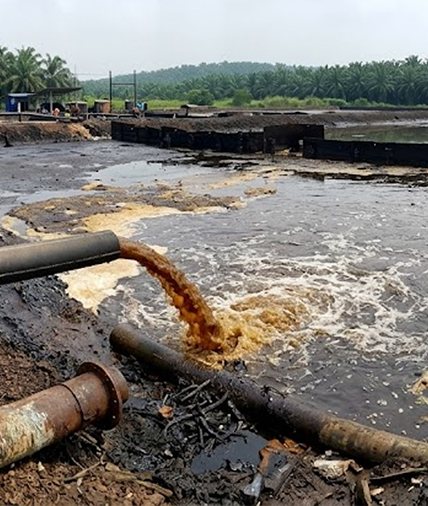
Malaysia’s manufacturing facilities and sewage plants manage very different water streams. Food-processing effluent may carry biodegradable organic material, while other industrial streams can contain substances that need physical or chemical treatment. Municipal plants must also manage collection-network and flow variation.
NICO systems may support suitable aerobic processes where oxygen delivery is a defined limitation. The assessment begins with the influent, existing treatment and required final quality.
Common Operating Challenges
- Variable flow and pollutant loading
- Production or cleaning events affecting industrial influent
- Wet-weather hydraulic changes in sewage systems
- Inhibitory compounds or unsuitable pH
- Uneven dissolved oxygen and basin circulation
- Odour linked to oxygen-deficient conditions
- Limited space for treatment expansion
- Inconsistent instrumentation or operating records
Identify the Actual Bottleneck
Oxygen Availability: Measure across the basin and operating cycle before concluding that more gas transfer is needed.
Retention and Mixing: Check effective treatment volume, flow paths and solids suspension. Added oxygen cannot compensate for every hydraulic limitation.
Influent Suitability: Industrial chemicals, metals, oils or extreme pH may require pretreatment or segregation before biological treatment.
Biomass and Solids: Biological performance also depends on healthy biomass, solids control and appropriate process operation.
How Nanobubbles Can Fit
Air or oxygen can be introduced through a compatible side-stream loop serving an aerobic zone. Pump duty, gas supply and return placement should align with the process and avoid short-circuiting.
The system may supplement existing aeration rather than replace all associated equipment. Existing blowers, mixers or surface aerators can provide essential functions that must be preserved during a trial.
Where anoxic zones support nitrogen removal, maintain their intended conditions. Oxygen-rich returns should not unintentionally disrupt those zones or change the overall recirculation strategy.
Application Areas
Food and Beverage Facilities: Evaluate biodegradable-load treatment after suitable screening, separation and equalisation.
Manufacturing Plants: Assess the specific wastewater stream. Nanobubble oxygenation is not a universal treatment for metals, salts or persistent industrial contaminants.
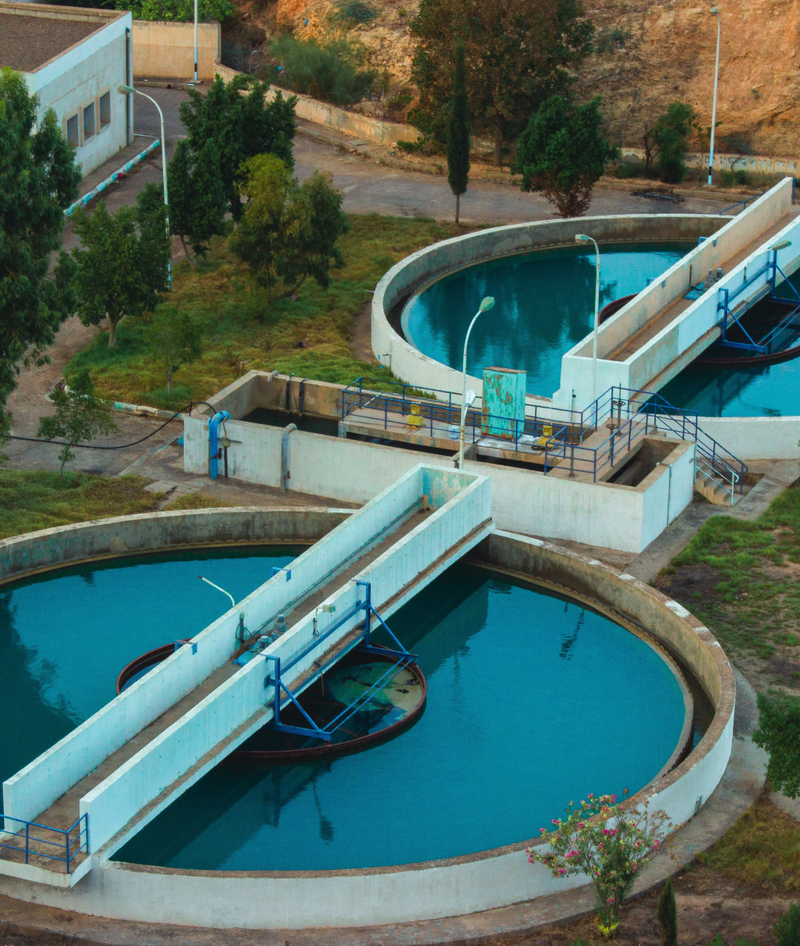
Municipal Sewage Plants: Review aerobic-stage requirements alongside collection, solids separation, sludge handling and disinfection.
Decentralised Facilities: Match controls, inspection and maintenance arrangements to the staffing and actual operating conditions.
Selected Oxidation and Polishing
Ozone may be considered for defined oxidation objectives after testing. Assess reaction demand, contact time, residuals, by-products, downstream effects and material compatibility.
Provide appropriate dosing controls, exposure protection, ventilation and off-gas treatment. Keep unvalidated oxidant residuals from harming biological processes or the receiving environment.
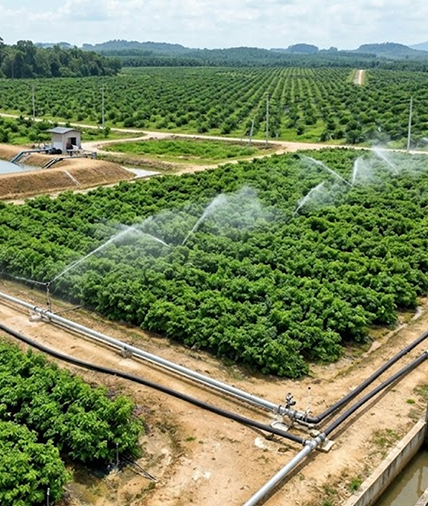
Reuse objectives require a complete treatment and verification pathway. Neither oxygen enrichment nor one oxidation stage automatically establishes suitability for cooling, washing, irrigation or another intended use.
Establish a Complete Baseline
Review flow, organic load, solids, pH, temperature, oxygen and relevant nutrients or application-specific contaminants. Sampling should capture representative production and hydraulic conditions, not only convenient daytime periods.
Record existing equipment runtime and energy alongside operating changes. Compare the complete installation, including pumping, gas generation and retained mixing, when evaluating any efficiency benefit.
Turn the Trial into an Operating Decision
Agree success criteria before commissioning. Possible indicators include oxygen stability, treatment consistency, maintenance burden and energy per comparable load.
Document what changed, what remained limiting and how results varied with influent conditions. Installation value should be supported by repeatable evidence and a practical operating plan.
NICO Nanobubble Malaysia.
Nanobubbles do not replace source control, screening, chemical treatment, biological-process management, solids separation or required compliance verification. Specify training, calibration, spare parts and failure-response responsibilities before expansion.