Oxygen-Rich Water for Controlled Cultivation
Saudi greenhouses and protected growing systems depend on coordinated water, nutrient and climate management. Heat can affect stored or circulating water, while plant and microbial activity influence oxygen demand.
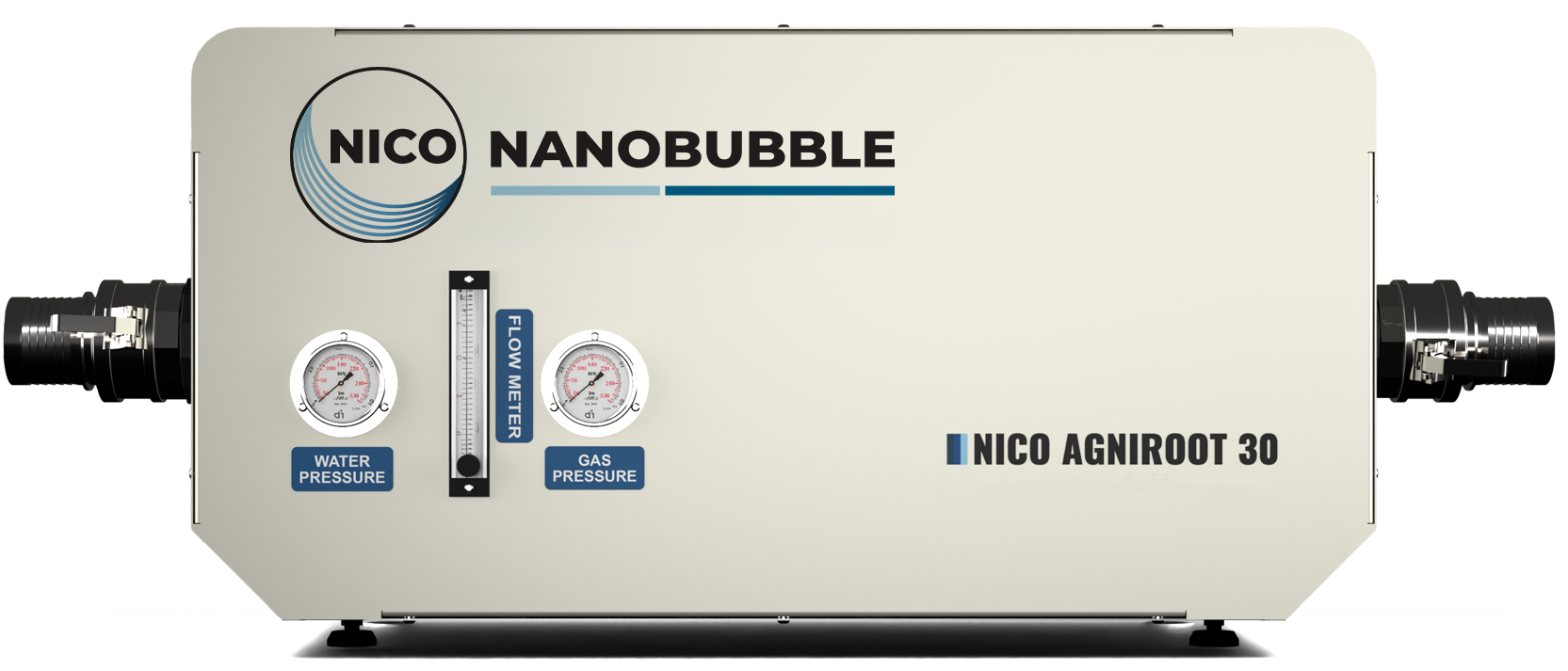
NICO systems can be evaluated in compatible irrigation reservoirs and nutrient loops. A useful trial establishes whether oxygen limitation is relevant and connects water measurements with crop response.
Common Growing Challenges
- Warm nutrient or irrigation water
- Oxygen demand from roots and biological activity
- Uneven delivery across channels or growing zones
- Salinity and nutrient concentration changes
- Poor drainage or unsuitable growing media
- Limited measurements at the point of use
- Need to coordinate irrigation with climate control
How Nanobubbles Can Fit
Reservoir Conditioning: Evaluate stored water with readings at the outlet and return.
Root-Zone Delivery: Check conditions reaching the plants, not just near the generator.
Responsive Operation: Adjust settings based on temperature, irrigation schedules and oxygen demand.
Compatible Integration: Review pumps, nutrients, materials and sanitation before integration.
Potential Benefits to Assess
- More consistent oxygen in suitable irrigation loops
- Better visibility of water conditions across growing zones
- Support where root-zone oxygen is limiting
- Controlled trials before expansion
- Evidence linking water treatment with crop outcomes
Yield, growth rate, quality, disease and reduced-input claims require crop-specific evidence. Oxygen-rich water does not remove salts, cool the greenhouse or correct poor drainage.
Saudi Application Areas
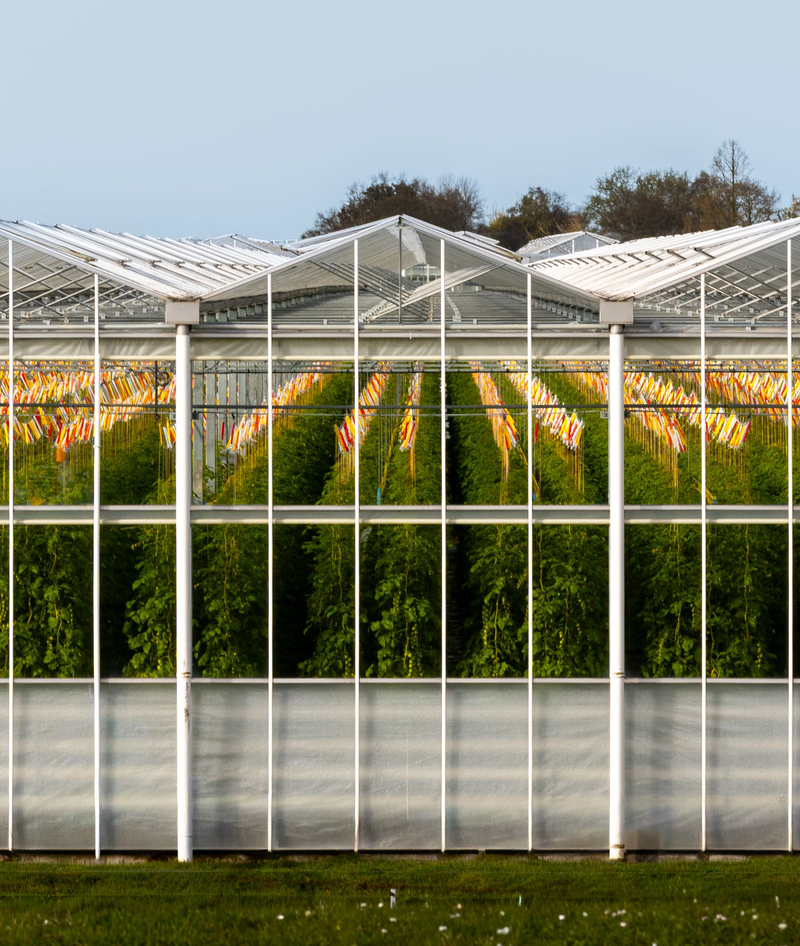
Protected Vegetables: Assess suitable systems for tomatoes, cucumbers, leafy crops and other greenhouse vegetables.
Hydroponics: Coordinate oxygen with pH, nutrients, temperature and hygiene in recirculating systems.
Nurseries: Compare representative plants under consistent irrigation and growing conditions.
Irrigation Storage: Review water before distribution and measure whether improvements persist at the crop supply point.
Manage the Complete Growing Environment
Monitor electrical conductivity, pH and temperature alongside oxygen. Keep routine nutrient, filtration and hygiene controls in place.
Evaporation and recirculation can change salt concentration. Nanobubbles do not replace appropriate make-up water, drainage or nutrient-management strategies.
Ozone is not a routine substitute for oxygenation in a nutrient loop. Oxidants may affect roots, nutrients and materials and require a separate validated design.
Plan a Fair Trial
Record variety, growth stage, substrate, climate settings and irrigation practice. Compare representative zones or crop cycles while accounting for management changes.
Agree the plant-level endpoint before starting. A reservoir oxygen increase is an operating measurement, not proof of a growing benefit.