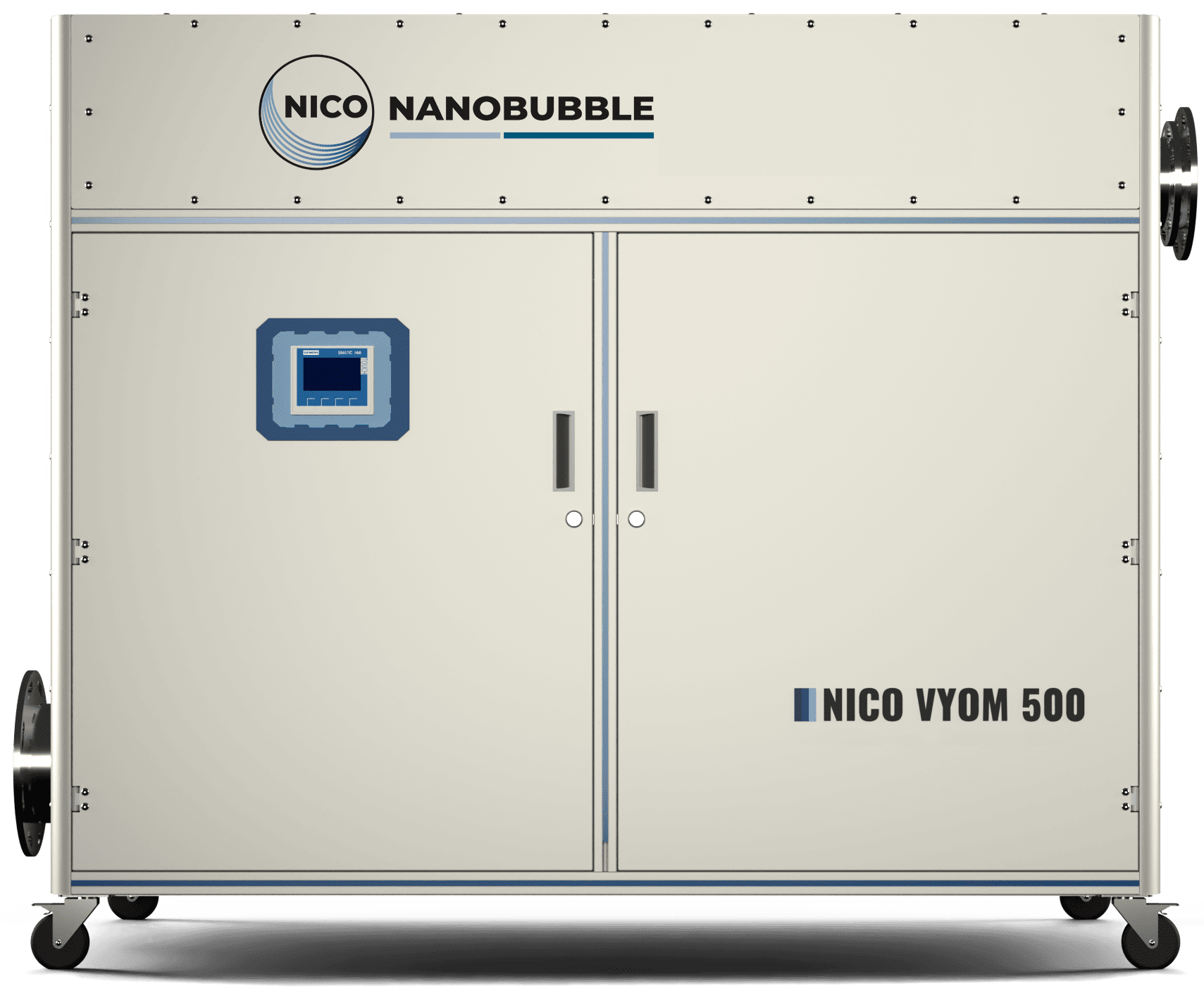
Better Water Management for Landscape and Leisure Settings
Saudi landscape lakes, amenity ponds and recreational developments have different purposes and exposure conditions. Warm water, dust, organic material and evaporation can influence both appearance and water chemistry.
NICO systems may support targeted oxygen delivery in suitable managed water bodies. The assessment must distinguish a landscape-quality objective from requirements for swimming, bathing or other direct public contact.
Common Management Challenges
- Oxygen deficiency in poorly circulated areas
- Organic sediment and decomposing vegetation
- Nutrients entering through runoff or make-up water
- Evaporation increasing dissolved-salt concentration
- Heat and sunlight affecting biological activity
- Odour and visible algae affecting amenity
- Different requirements for public-contact water
How Nanobubbles May Contribute
Target Oxygen Deficiency: Use depth and time-based measurements to identify a realistic treatment zone.
Support Aerobic Conditions: Assess local benefits where low oxygen contributes to the diagnosed problem.
Improve Treatment Distribution: Review intake and return locations alongside circulation, sediment and water depth.
Support Monitoring: Connect operation with oxygen, temperature, water level and relevant water-quality records.
Potential Benefits to Measure
- Reduced duration of local oxygen deficiency
- More consistent conditions where hydraulics permit
- Support for oxygen-related odour management
- Better evidence for phased improvement
- A defined contribution to wider water management
Nanobubbles do not remove accumulated salts or prevent evaporation by themselves. Algae, pathogen and toxin control require separate evidence and appropriate treatment.
Match the Intended Use
Landscape Lakes and Ornamental Ponds: Assess inflows, planting, feeding, sediment and circulation alongside visual objectives.
Irrigation Storage Linked to Landscaping: Review abstraction, salinity, make-up water and the quality required by the landscape.
Recreational Lakes: Define exposure routes and treatment requirements before selecting equipment.
Pools and Interactive Water Features: Use specialist hygiene design. Oxygenation does not replace validated filtration, disinfection and operational controls.
Manage the Water Balance and Sources
Track make-up water, evaporation, leaks, withdrawals and any planned water replacement. Salinity can remain a constraint even if oxygen improves.
Identify nutrient and organic inputs and assess whether sediment or vegetation management is required. Oxygenation does not stop ongoing pollution or automatically remove nitrogen and phosphorus.
Plan a Use-Specific Trial
Establish baseline oxygen, temperature, salinity, clarity and relevant biological or chemical indicators. Monitor representative locations and account for weather and maintenance changes.
Design for heat, dust, public access, electrical protection and safe maintenance. Water-safety decisions require suitable specialist testing and operating procedures.
A clearer appearance or reduced odour is not proof that water is safe for public contact. Define the intended outcome and verify it before expanding the installation.