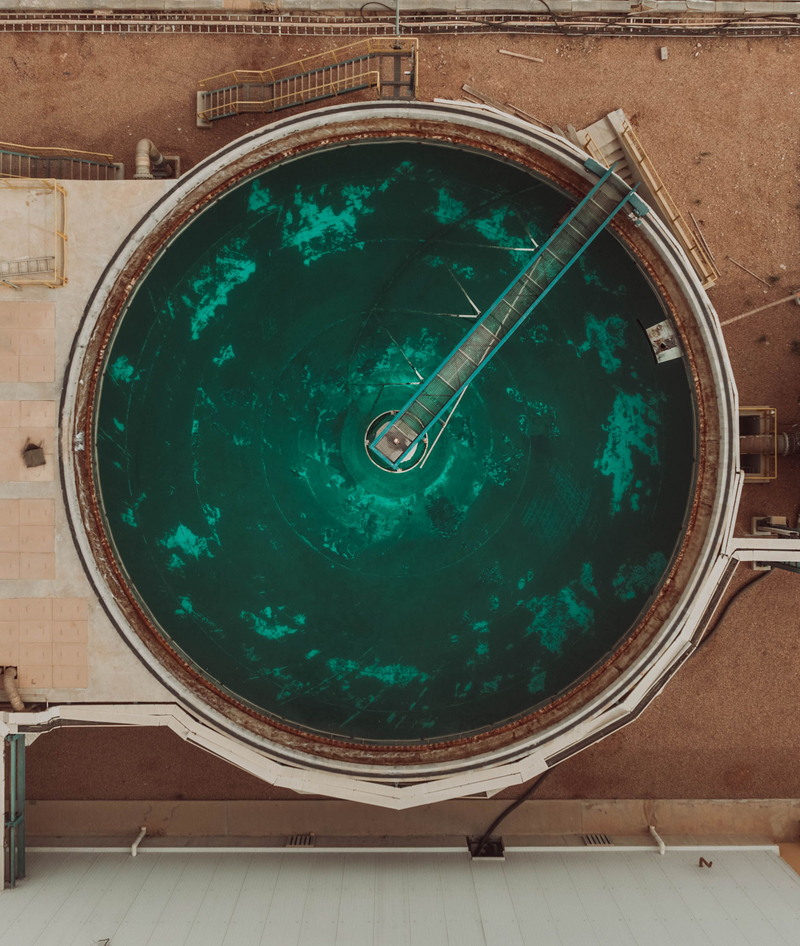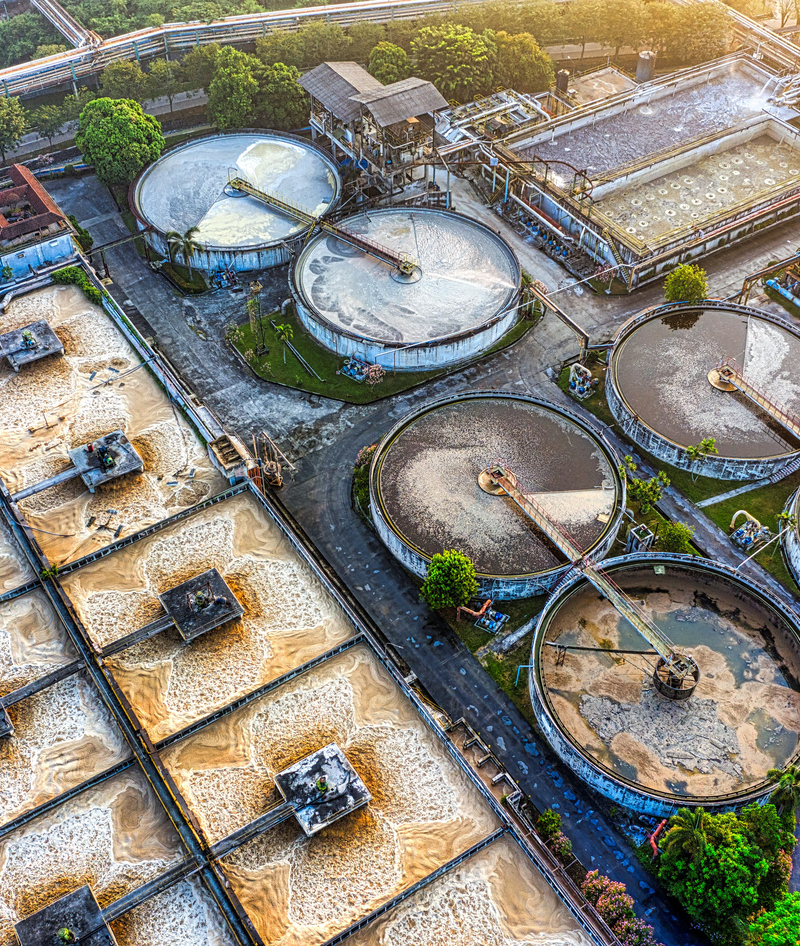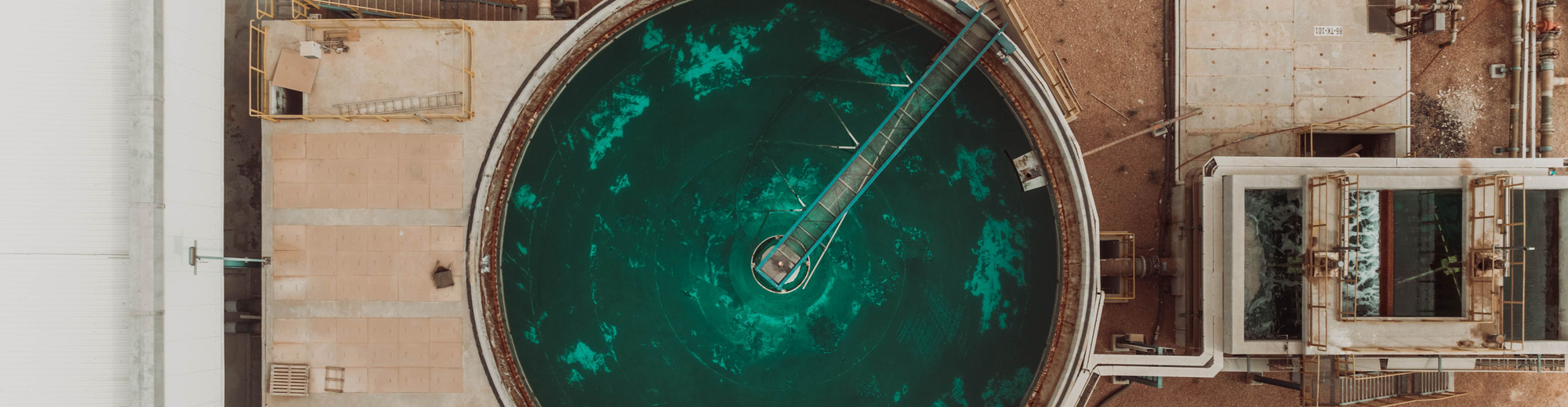
Reclaimed water can contribute to resource management when its quality and delivery match the intended use. For Saudi municipalities and development projects, treatment performance must be considered alongside storage, distribution and the recipient’s requirements.
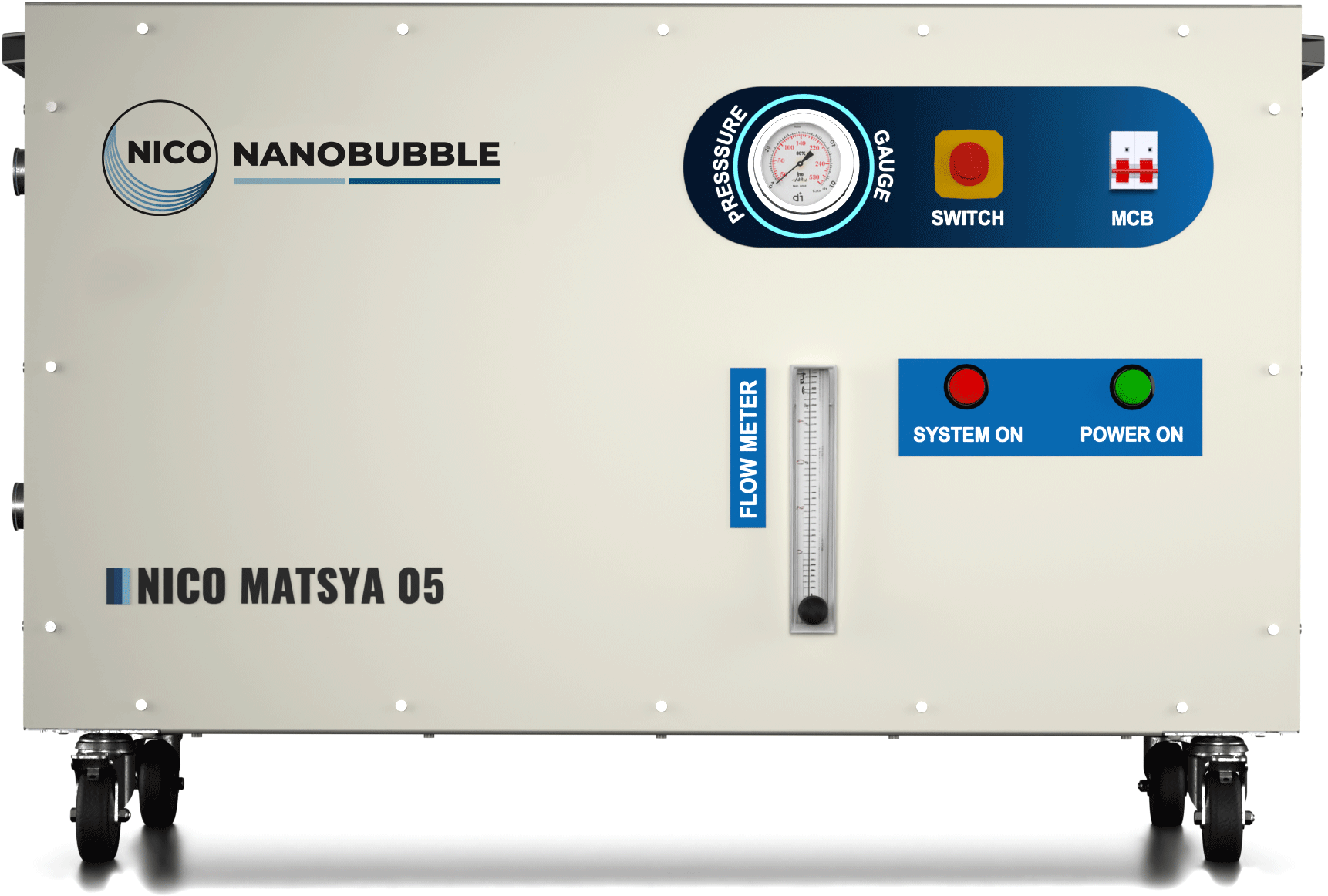
NICO nanobubble systems may support selected stages within a complete treatment train. The objective is to address a defined gas-transfer limitation while maintaining all other required treatment barriers.
Intended Use: Identify the recipient, exposure routes and required water quality.
Treatment Train: Review collection, screening, biological treatment, solids separation, filtration and disinfection as applicable.
Storage and Distribution: Assess residence time, regrowth, sediment and quality at the delivery point.
Off-Specification Response: Define how unsuitable water is isolated, diverted or managed when treatment or monitoring fails.
Air or oxygen may supplement delivery in compatible aerobic stages where gas transfer is limiting. Retention time, biomass health, pH and circulation remain important to treatment performance.
Return-water placement should preserve anoxic zones and other intended process boundaries. More oxygen throughout the plant does not necessarily improve every biological function.
Existing equipment may provide mixing as well as aeration. Retain those functions during evaluation or replace them through deliberate engineering. Compare the complete operating arrangement rather than the generator alone.
Ozone may be assessed for defined oxidation objectives after testing. Review demand, contact, residuals, by-products and downstream effects alongside materials and operator exposure.
Other technologies may still be needed for pathogens, suspended matter, salts or specific contaminants. Oxygenation is not a desalination process and does not establish that the water meets the requirements of irrigation or another use.
Where irrigation is proposed, assess salinity and crop or soil suitability as part of the reuse plan. Biological treatment can improve some parameters while leaving others that constrain the application.
Review heat exposure, storage temperatures, equipment cooling, ventilation and dust protection. Long distribution routes and intermittent demand may influence water quality and pumping requirements.
Include clear responsibility for operation, maintenance and alarms. Alternative supply or controlled shutdown arrangements may be necessary when reclaimed water is unavailable or unsuitable.
Measure flow, organic load, solids, pH, temperature and relevant nutrients or contaminants. Include microbiological and end-use-specific testing where required by the project assessment.
Verify quality at the required delivery point, not only immediately after treatment. Record existing equipment use, maintenance events and influent changes through the pilot.
Compare complete-system energy, including pumping, gas supply and retained treatment functions. Water savings should reflect actual replacement of another supply rather than simply the volume processed.
Agree monitoring locations, acceptance criteria and operating limits before installation. Evaluate representative variations in load and temperature.
The final review should identify the nanobubble contribution and the functions still required elsewhere. Use and discharge decisions require the applicable site-specific technical and regulatory review equipment selection alone does not establish compliance.