Oxygen Management for Demanding Production Systems
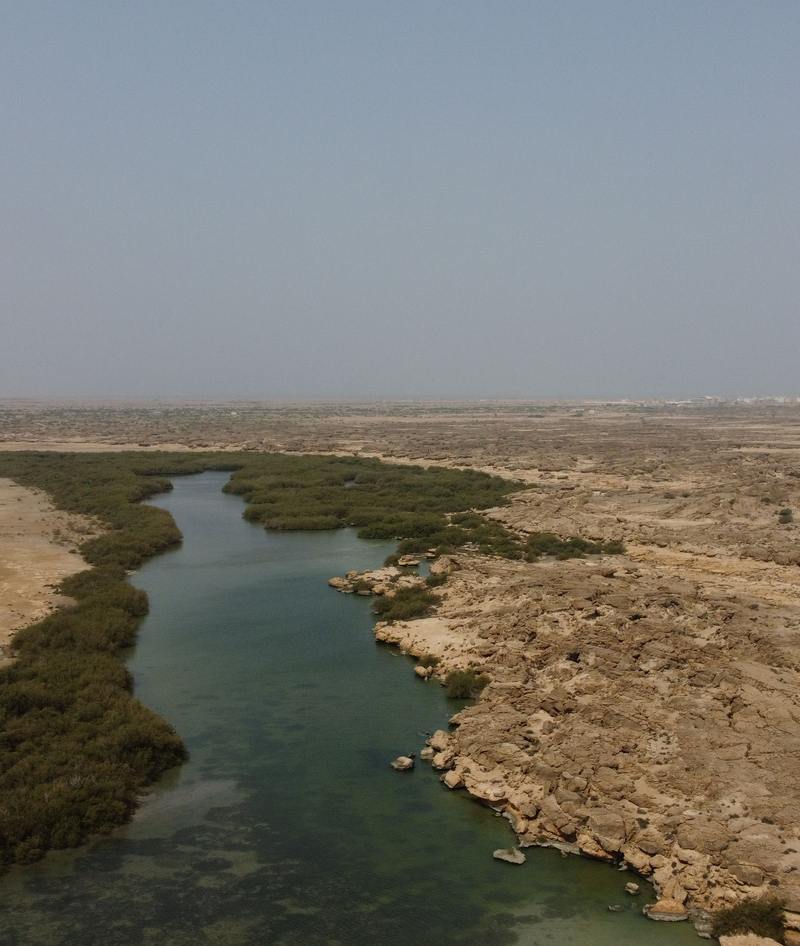
Saudi aquaculture operators may manage coastal saline water, land-based tanks or recirculating facilities with very different operating profiles. High biomass and feeding can create substantial oxygen demand, particularly in warm conditions.
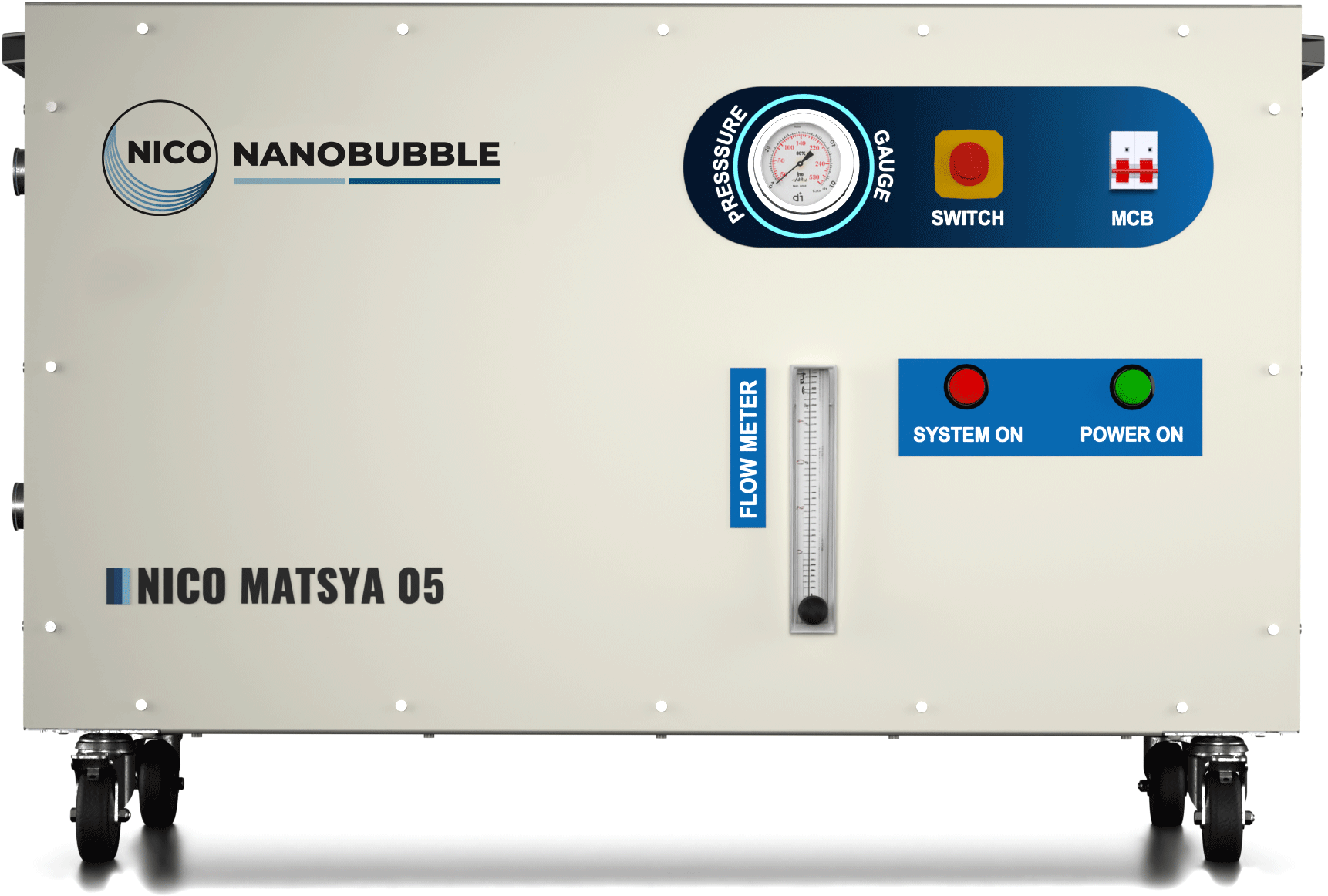
NICO systems can be evaluated for air or oxygen delivery in compatible production and treatment loops. Design should reflect species, life stage, salinity, temperature and the complete life-support arrangement.
Common Operating Challenges
- Oxygen demand rising with feeding and stock growth
- Warm water with lower oxygen-holding capacity
- Variable salinity and source-water conditions
- Uneven oxygen between tanks or pond zones
- Biofilter and organic-load oxygen demand
- Corrosion and outdoor equipment exposure
- Need for reliable backup and rapid alarm response
How Nanobubbles May Fit
Supplement Oxygen Delivery: Evaluate additional oxygen transfer where monitoring identifies a shortfall in the existing system.
Target Distribution: Position treated-water returns around circulation and stock areas, not only for installation convenience.
Coordinate Treatment: Maintain solids removal, biofiltration, carbon-dioxide management and other essential functions.
Follow Demand: Use appropriate measurements and schedules while retaining independent emergency protection.
Potential Benefits to Evaluate
- More stable oxygen in the intended zone
- Better visibility of feeding-related demand
- Integration with suitable existing loops
- Modular assessment before expansion
- Operating settings informed by actual conditions
Growth, survival, feed conversion and energy outcomes require controlled evidence. An oxygen increase alone does not establish every production benefit.
Application Areas
Land-Based Fish Farms: Assess tanks and ponds based on stock density, flow and water-treatment configuration.
Hatcheries and Nurseries: Define safeguards for sensitive life stages before changing the water system.
Marine and Brackish-Water Production: Review gas transfer, species requirements and materials for actual saline conditions.
Recirculating Aquaculture: Account for stock and biofilter demand, with adequate gas removal and backup provision.
Protect the Whole System
Oxygenation does not automatically remove ammonia, carbon dioxide or solids. Keep required treatment stages and biosecurity measures in place.
Avoid excessive gas supersaturation and unvalidated oxidant exposure. Ozone, if considered, needs a separately engineered treatment stage with appropriate residual control.
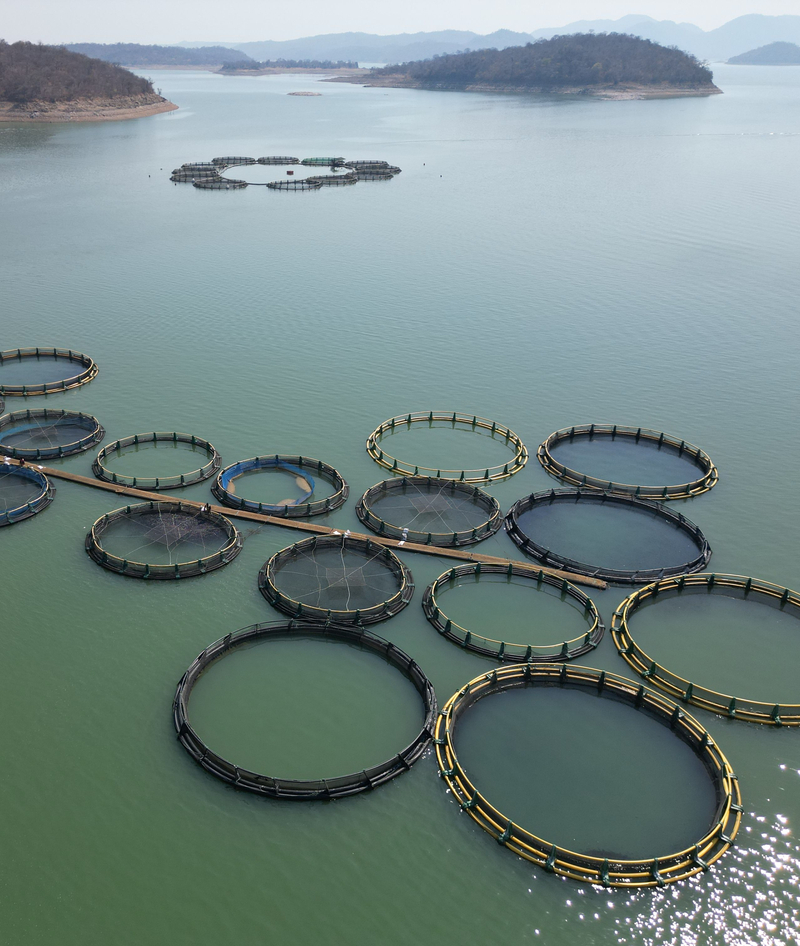
Open-water coastal cages require a separate assessment because currents affect treatment coverage. Enclosed-tank results should not be transferred directly to open-water grow-out.
Plan a Protected Trial
Record oxygen, temperature, salinity, feeding, biomass and equipment use at representative locations and times. Maintain backup aeration and clear failure-response procedures.
Assess heat exposure, gas availability, maintenance access and spare parts before installation. Set biological safeguards and acceptance criteria in advance, then compare performance under similar production conditions.