Nanobubble Technology for Crocodile
Pond Restoration
Nanobubble Technology for Crocodile Pond Restoration

Overview

Water bodies within zoological parks are critical for maintaining animal health, hygiene, and ecological balance. At the Delhi Zoo, multiple ponds were experiencing severe water quality degradation due to excessive algal blooms, high organic load, and low dissolved oxygen levels.

Conventional aeration systems and fountains proved insufficient in addressing these challenges, leading to persistent water quality issues and compromised aquatic conditions. A sustainable, non-invasive, and effective solution was therefore required to restore and maintain these water bodies.
Project Details

  • Location: National Zoological Park (Delhi Zoo), New Delhi
  • Application: Pond Water Treatment and Algae Control
  • Technology: NICO Nanobubble-Based Aeration & Ozonation System
  • Installation Date: 2nd December 2024
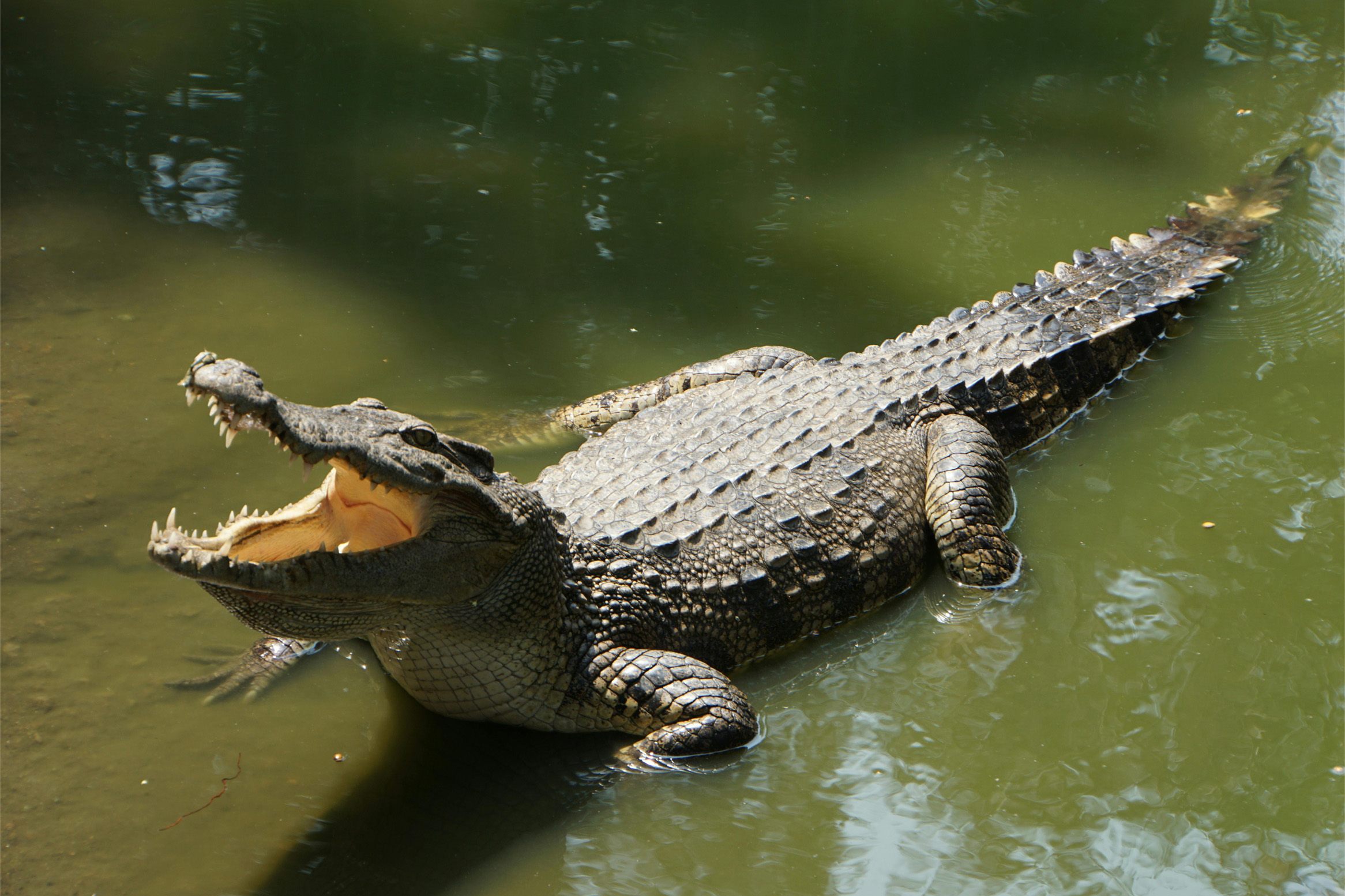
  • Pond: Pond No. 18 (Marsh Crocodile Habitat)
  • Validation: Ministry of Environment
Project Details

Pre-Implementation Challenges

Prior to the deployment of nanobubble technology, the Marsh Crocodile pond exhibited several critical challenges:

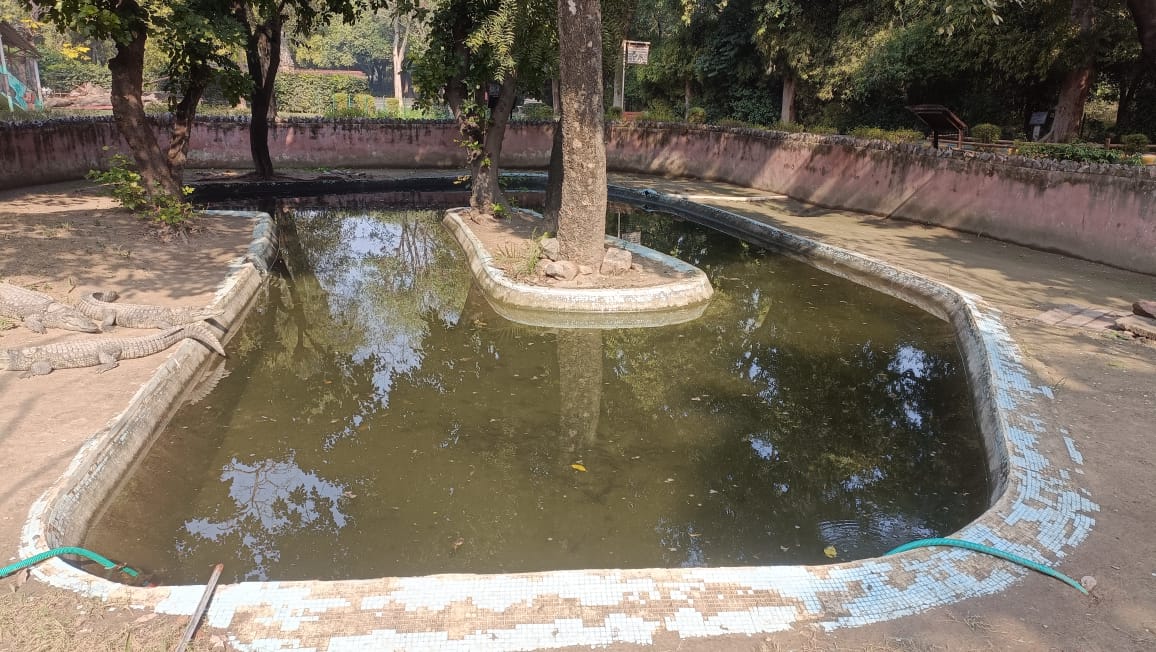
  • Dense algal growth covering the surface, bottom, and sidewalls of the pond
  • Extremely low dissolved oxygen (DO) levels, creating unhealthy aquatic conditions
  • High organic load indicated by elevated BOD and COD levels
  • Presence of microbial contamination, including E. coli
  • High Total Suspended Solids (TSS) and Total Dissolved Solids (TDS), affecting water clarity
  • Ineffective results from conventional aeration systems and fountains
  • Poor water aesthetics and hygiene, impacting habitat quality

Technology Implementation

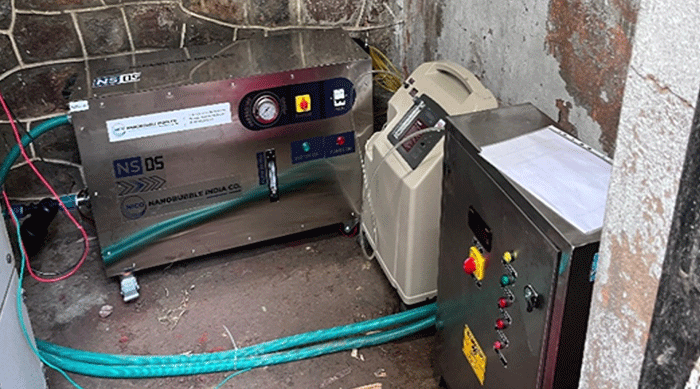
NICO deployed its advanced nanobubble-based aeration and oxidation system, comprising:

  • Nanobubble Generator
  • Oxygen Concentrator
  • Ozone Generator

The system generates ultra-fine gas bubbles (<200 nm), which remain suspended in water for extended periods. This enables:
  • Superior oxygen transfer and uniform dissolved oxygen distribution
  • In-situ oxidation of organic and microbial contaminants
  • Effective disinfection and microbial reduction through ozone action
  • Uniform treatment across the entire water body, including hard-to-reach zones
Technology Implementation

Performance Outcomes

Parameter Unit Before (02.12.2024) After (13.01.2025)
Dissolved Oxygen (DO) ppm 1.1 30.86
Biological Oxygen Demand (BOD) mg/L 30 7
Chemical Oxygen Demand (COD) mg/L 260 60
Total Suspended Solids (TSS) mg/L 73 27
Total Dissolved Solids (TDS) mg/L 3042 2420
E. coli MPN/100 mL 10 Absent
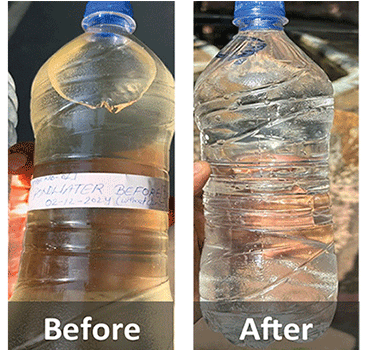
Before Day-1 (Before)
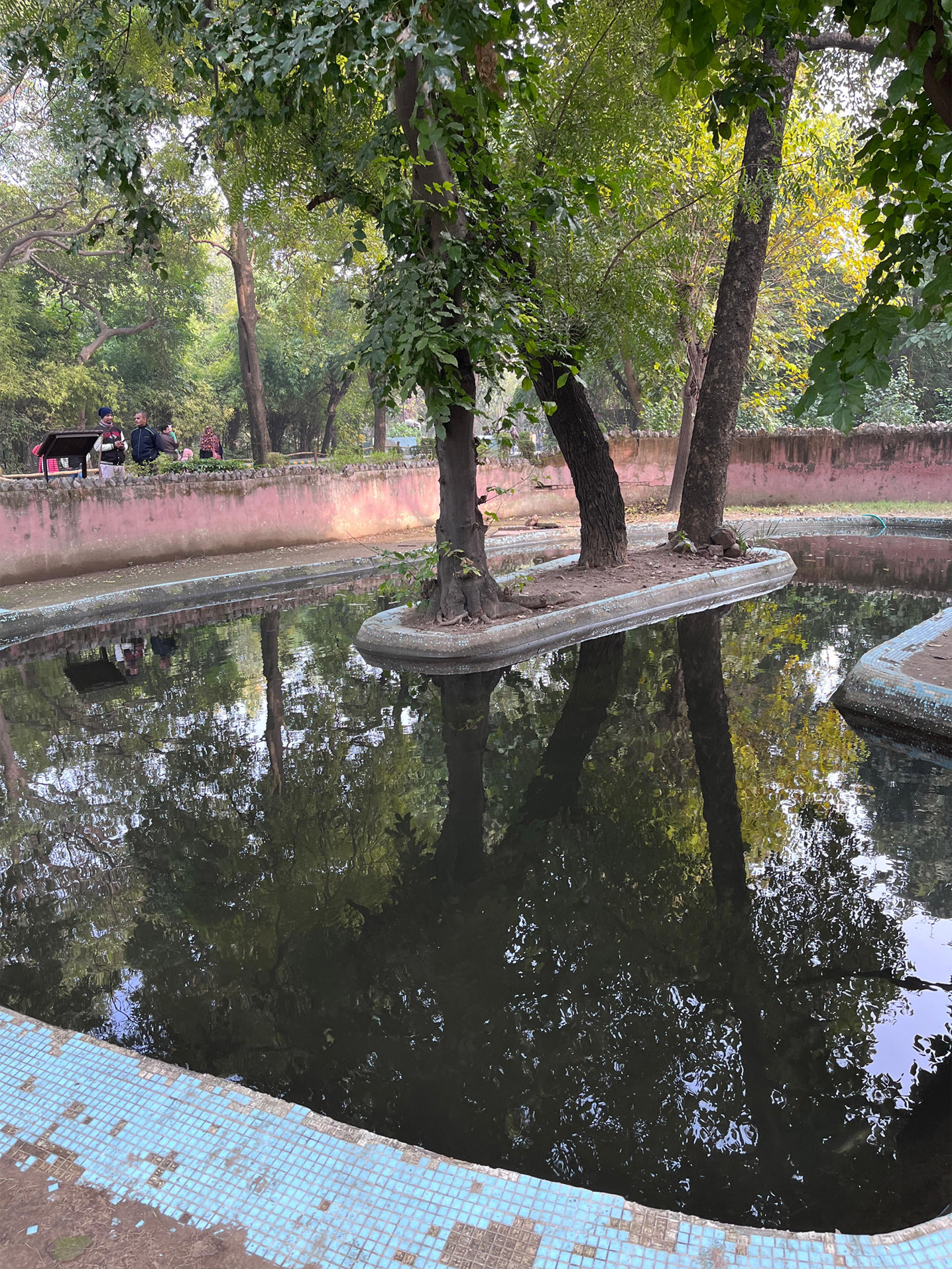
After Day-42 (After)

Key Results and Impact

  • Significant Oxygenation: Dissolved oxygen levels increased dramatically, reaching up to 30.86 ppm, creating a highlyoxygen-rich aquatic environment.
  • Reduction in Organic Load: Substantial decrease in BOD and COD levels, indicating effective breakdown oforganic matter.
  • Complete Algae Elimination: Visible reduction in algae within weeks, with complete removal observed within one month.
  • Microbial Control: Elimination of E. coli, significantly improving water safety and hygiene.
  • Improved Water Clarity: Reduction in TSS and TDS resulted in visibly clearer and cleaner water.
  • Rapid Results: Noticeable improvements achieved within four weeks of system installation.
  • Enhanced Habitat Quality: Improved water conditions for aquatic species, particularly the Marsh Crocodiles.
  • Chemical-Free Treatment: Achieved without the use of external chemicals or additives.

Sustainable Operation: Energy-efficient and suitable for continuous operation in sensitive environments such as zoos.

Conclusion

The successful deployment of NICO’s nanobubble technology at the Delhi Zoo demonstrates its effectiveness in rapidly restoring water quality in challenging and sensitive environments. The system not only eliminated algal blooms and microbial contamination but also significantly improved overall water quality and ecosystem health.

This case study highlights the strong potential of nanobubble technology for application in zoological parks, lakes, reservoirs, and other stagnant water bodies requiring sustainable and chemical-free treatment solutions.