In-Line Oxygenation for Healthier Sewer Networks

Prevent septic conditions, reduce gas formation, and improve flow dynamics within sewer lines using the NICO VARUNA Nanobubble System.

check ODOR REDUCTION check CORROSION CONTROL check IMPROVED FLOW

Why Sewer Networks Turn Septic

Sewer lines, especially in long or slow-moving networks, often become oxygen-deficient, leading to anaerobic conditions and system degradation.

Anaerobic Conditions in Pipelines

Anaerobic Conditions
in Pipelines

Low oxygen levels promote septic environments within sewer lines.

H₂S Gas Formation & Odor

H₂S Gas Formation
& Odor

Hydrogen sulfide generation causes strong odors and hazardous conditions.

Pipeline Corrosion

Pipeline
Corrosion

H₂S leads to sulfuric acid formation, damaging infrastructure over time.

Fat, Oil & Grease (FOG) Build-Up

Fat, Oil & Grease (FOG)
Build-Up

Accumulation reduces flow efficiency and increases blockage risks.

Reduced Flow Efficiency

Reduced Flow
Efficiency

Sediment and sludge deposition impact hydraulic performance.

THE NICO NX250 SOLUTION

Continuous Oxygenation. In-Situ Sewer Conditioning.

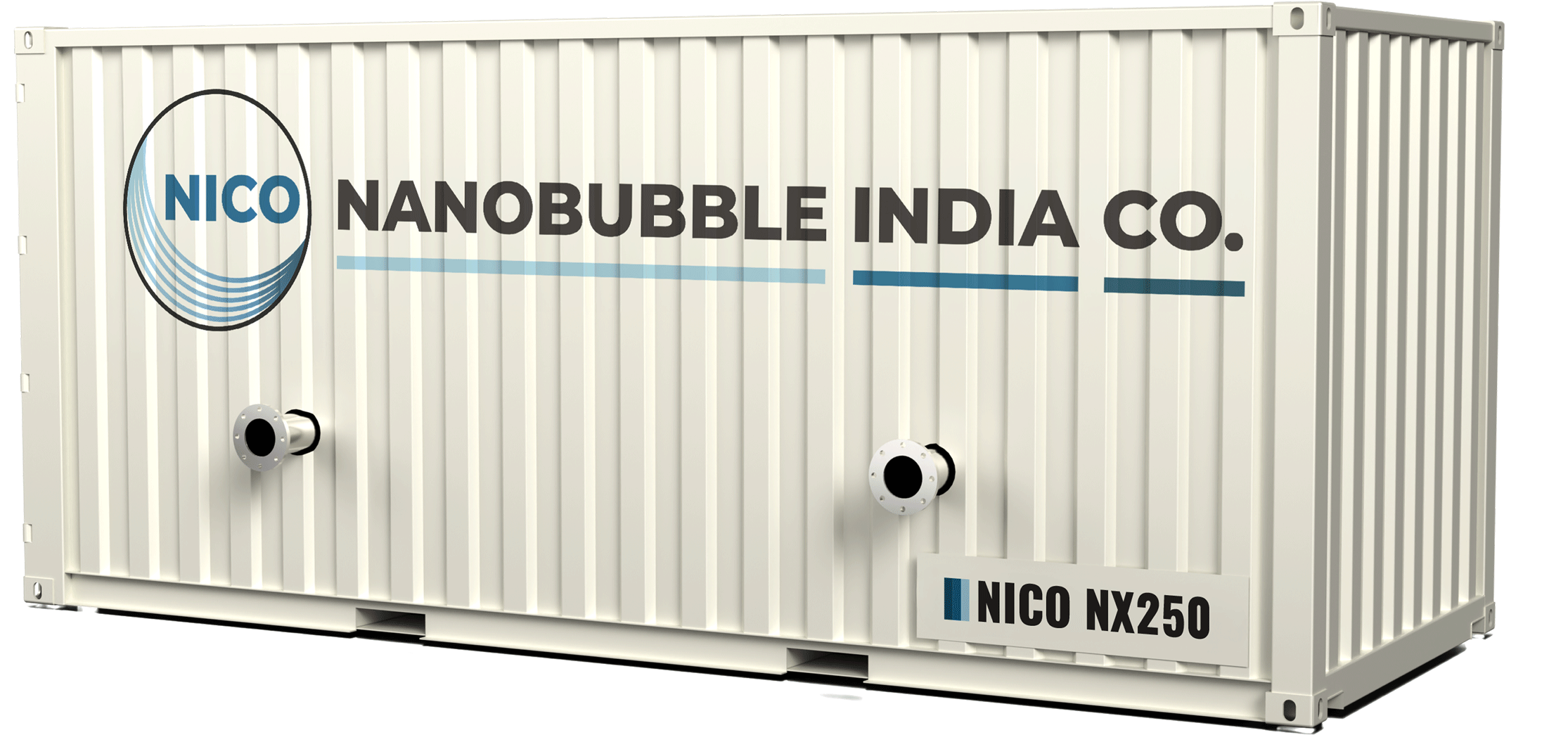
The NX250 system introduces ultra-fine oxygen nanobubbles directly into sewer lines, maintaining aerobic conditions
across the network.

With optional ozone integration, it enables targeted oxidation of odor-causing gases, FOG, and organic deposits without
disrupting flow.

Eliminates Septic Conditions

Eliminates Septic Conditions

Maintains aerobic environments to prevent anaerobic activity.

Controls Odor & Toxic Gases

Controls Odor & Toxic Gases

Reduces H₂S formation and enables ozone-assisted oxidation.

Protects Infrastructure

Protects Infrastructure

Minimizes corrosion, extending pipeline lifespan.

Improves Flow & Reduces Blockages

Improves Flow & Reduces Blockages

Breaks down FOG and organic buildup within sewer lines.

NICO NX250 Nanobubble System
Explore the Mungeshpur Project

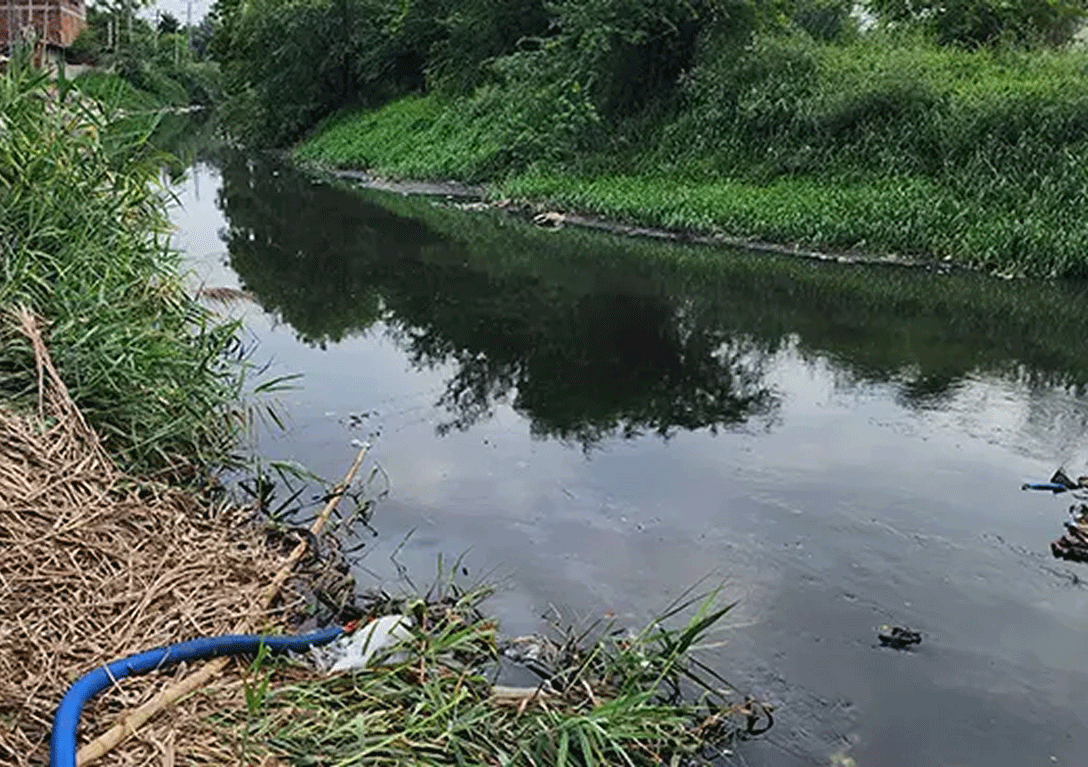
NICO’s patented NX250 nanobubble technology transformed the Mungeshpur Drain through an in-situ rejuvenation approach, lowering COD from 280 to <50 mg/L, BOD from 38 to <10 mg/L, and ammonia from 4.5 to 0.05 mg/L. DO levels increased to ≥5.5 mg/L, while sulphides and pathogens were effectively removed within a 30-minute hydraulic retention time, with the results validated by HSPCB.

Explore the Mungeshpur Project

Ensure cleaner, safer, and more efficient sewer
systems with NX250

Upgrade Your Sewer Network Performance