Oxygen Management Through the Production Cycle
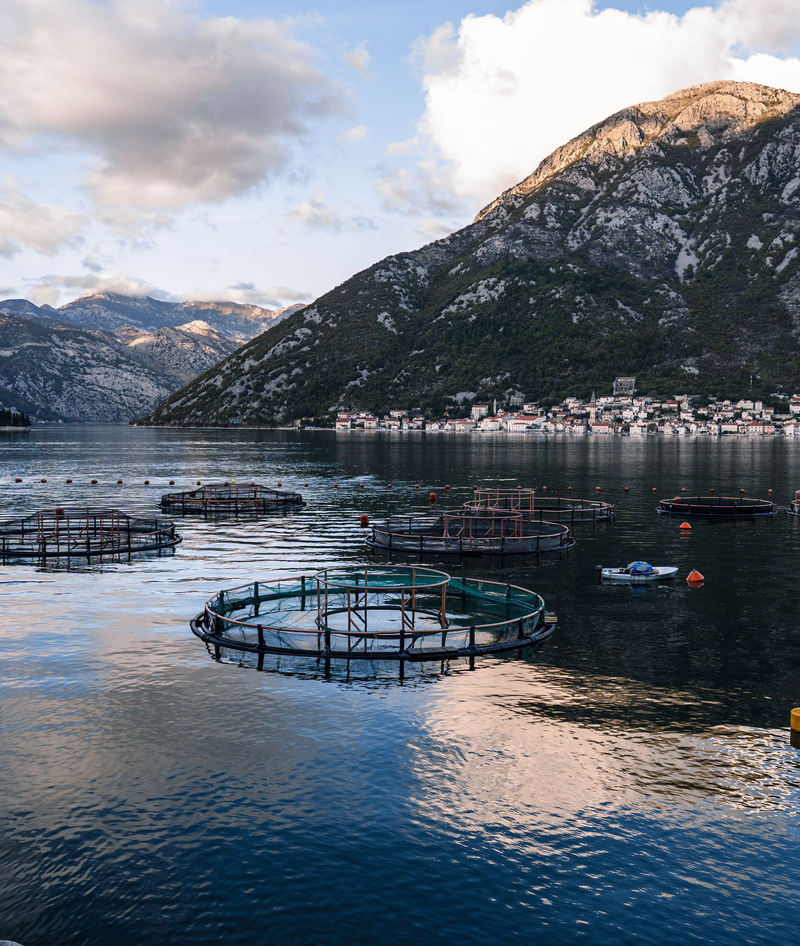
Thailand’s shrimp and fish operators manage water conditions that change as stock grows, feeding increases and organic material accumulates. Conditions can also vary between coastal ponds, freshwater production and hatchery tanks.
NICO systems can introduce air or oxygen through compatible loops, returning oxygen-enriched water to selected zones. The design should reflect species, life stage, temperature, salinity and existing circulation.
Common Production Challenges
- Overnight oxygen decline in biologically active ponds
- Increasing oxygen demand with feeding and biomass
- Warm water and changing salinity after rain
- Uneven oxygen across depths or pond areas
- Feed waste, faeces and organic buildup
- Sensitive hatchery and nursery stages
- Power interruptions and limited alarm-response time
How Nanobubbles May Fit
Supplement Oxygen: Evaluate additional transfer where measurements show the current system has insufficient capacity.
Reach the Intended Zone: Plan returns around pond circulation and stock distribution, not just convenient pipe locations.
Work with Existing Equipment: Retain essential mixing or gas-removal functions provided by paddlewheels, blowers and other devices.
Follow Demand: Use suitable monitoring and operating schedules while preserving independent emergency protection.
Potential Benefits to Assess
- More stable oxygen in the target area
- Improved visibility of feeding and overnight changes
- Compatible retrofit arrangements
- Modular trials before wider deployment
- Operating settings based on measured demand
Growth, survival, feed conversion and reduced disease require controlled biological evidence. They should not be inferred from a brief increase in dissolved oxygen.
Thai Application Areas
Shrimp Production: Assess suitable whiteleg or tiger shrimp ponds according to salinity, depth, biomass and existing aeration.
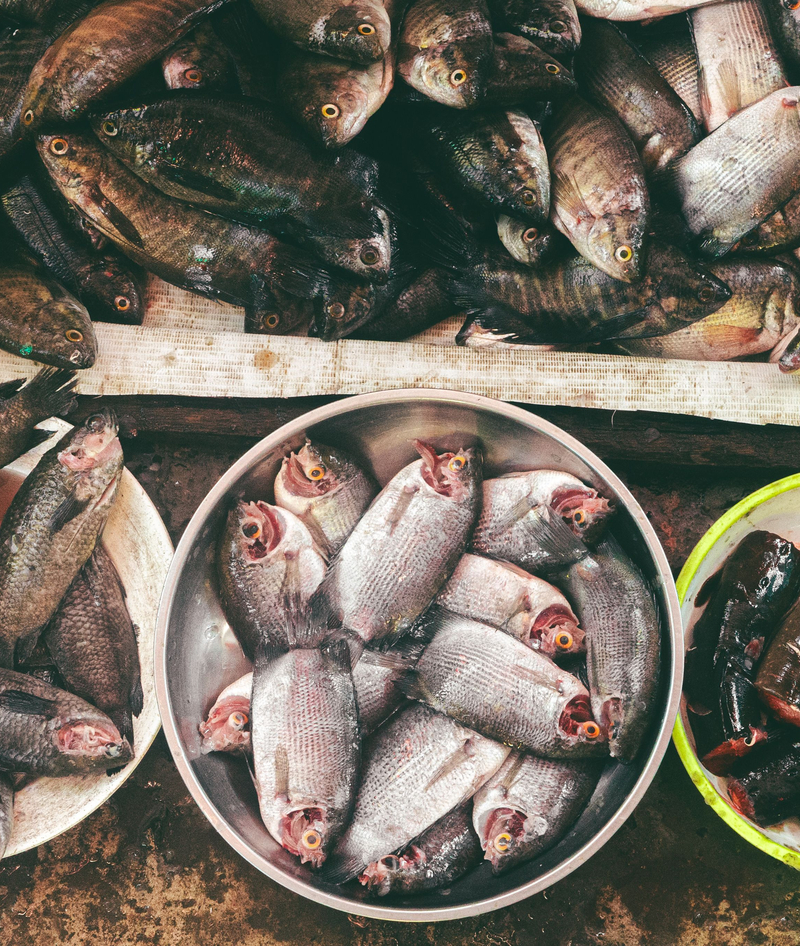
Freshwater Fish: Evaluate compatible tilapia, catfish and other freshwater systems against actual species and stocking requirements.
Hatcheries and Nurseries: Define safeguards for eggs, larvae and juveniles before changing water-treatment arrangements.
Recirculating Systems: Coordinate with solids removal, biofiltration, carbon-dioxide control and other life-support stages.
Measure at the Right Time and Place
Collect oxygen readings at representative depths and locations, including before dawn and during periods of high demand. Log feeding, biomass, temperature, salinity, weather and equipment runtime.
A reading near the treated-water outlet does not establish pond-wide conditions. Assess circulation and the effect on the areas occupied by stock.
Protect Stock During Evaluation
Agree pilot acceptance criteria, alarm thresholds and emergency procedures before starting. Maintain backup aeration and review gas supersaturation risks for the species and life stage.
Nanobubbles complement feeding discipline, hygiene, solids management and biosecurity. The decision to scale should follow representative evidence and a practical operating plan, not an assumption that all farm outcomes will improve together.