Targeted Oxygenation for Connected Waterways
Thai canals, urban ponds and lakes can receive nutrients, sewage and organic material from their surroundings. Water movement, rainfall and accumulated sediment influence how these pressures appear as low oxygen, odour or excessive biological growth.
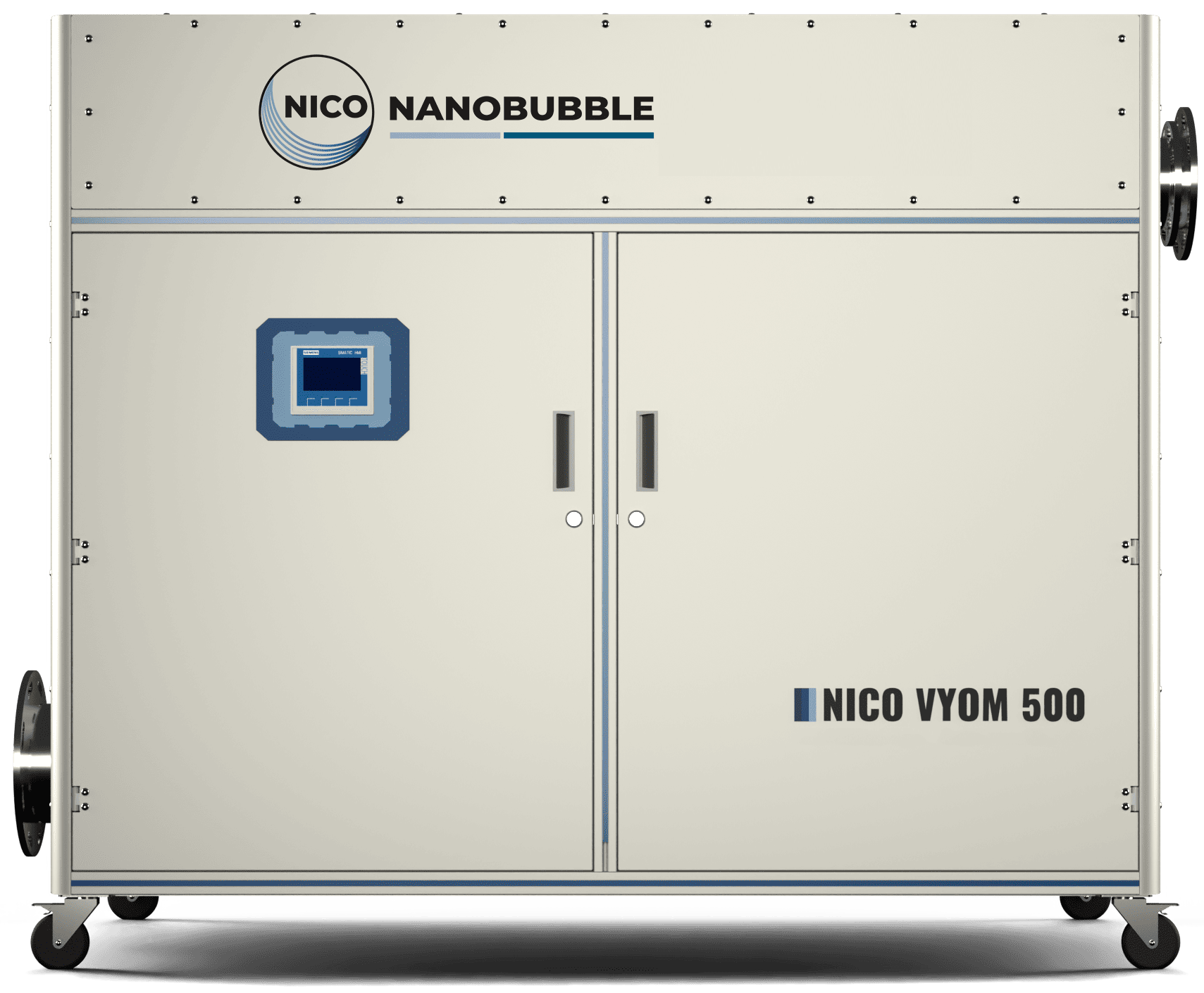
NICO systems may support oxygen delivery to selected zones. Assessment must define the treatment area and address continuing inputs alongside the in-water intervention.
Common Restoration Challenges
- Oxygen depletion in stagnant or deeper zones
- Continuing inflow from drains and catchments
- Organic sediment and decomposing biomass
- Nutrients supporting algae or plant growth
- Changing flows and water levels after rain
- Debris affecting pumps and access
- Multiple habitat, drainage and community uses
How Nanobubbles May Contribute
Target Oxygen Deficiency: Use depth and time-based measurements to identify the treatment zone.
Support Aerobic Conditions: Improve oxygen levels where oxygen is a limiting factor.
Plan Water Distribution: Match water returns to site geometry, circulation and flow.
Track Operating Conditions: Monitor rainfall, inflow, water levels and oxygen conditions.
Potential Benefits to Measure
- Reduced duration of low oxygen in a target area
- More consistent conditions where hydraulics allow
- Support for oxygen-related odour management
- Better evidence for phased intervention
- A defined contribution to wider restoration
Algae control, nutrient removal and safe recreational use require separate evidence. Higher oxygen does not establish that pathogens, toxins or industrial contaminants have been controlled.
Different Water Bodies Need Different Designs
Canals: Review flow, connections, pumping, gates and incoming loads.
Urban and Landscape Ponds: Assess runoff, feeding, debris and water circulation.
Lakes and Reservoirs: Consider depth, stratification, sediments and intervention scale.
Irrigation Water Bodies: Review abstraction, water levels and treatment objectives.
Control Continuing Pressure
Identify sewage inputs, runoff, erosion and organic loading. Appropriate measures may include improved collection or treatment, drainage management, litter removal and sediment interventions.
Oxygenation does not stop an upstream discharge. Nutrients may change form or move between sediment and water without leaving the system. Restoration therefore requires a wider management programme.
Plan a Representative Trial
Establish oxygen and temperature profiles, flow, nutrients, clarity and relevant indicators. Use consistent monitoring times and comparison locations where possible.
Account for monsoon events, changing water levels and operational changes in connected canals. Define safeguards for flooding, debris, public access and electrical equipment.
Set a realistic objective for the selected zone and evaluate it before expanding. A local improvement is useful evidence, but it should not be presented as whole-catchment recovery.