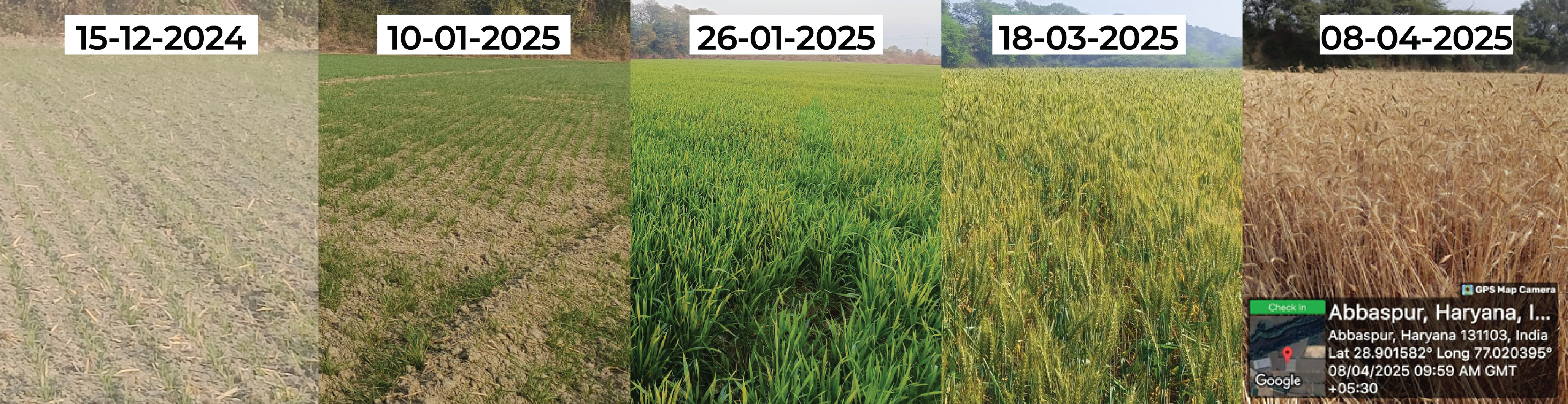
Nanobubbles for Wheat Farming Yield
Improvement
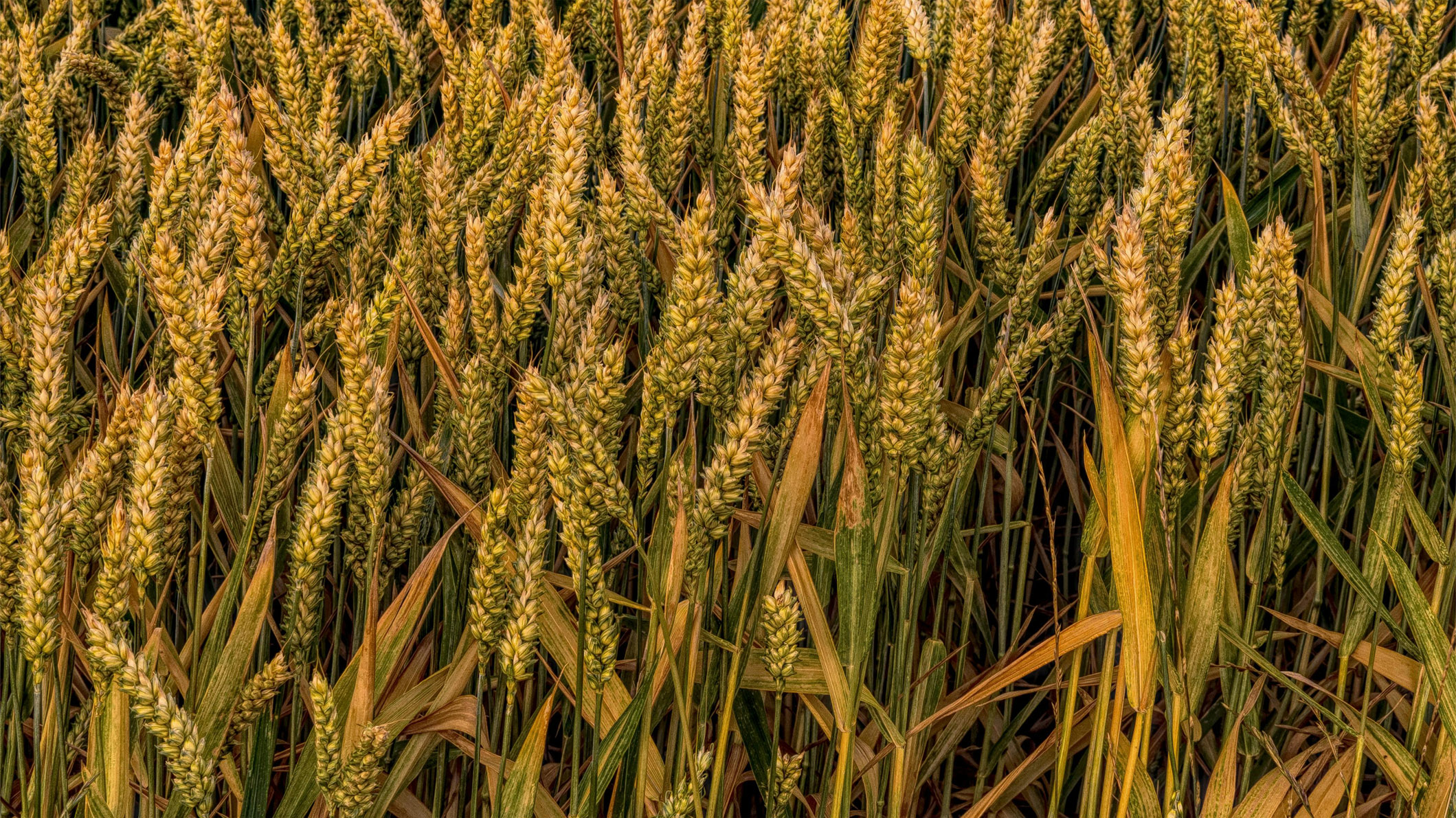
Wheat Farming Yield

Overview

Sustainable agriculture is critical to meeting rising food demand while minimizing environmental impact. NICO offers advanced nanobubble technology that introduces ultra-fine gas bubbles (<200 nm) into irrigation water.

This technology enhances dissolved oxygen levels, improves root development, boosts nutrient absorption, and increases crop yield, while reducing dependency on water and chemical inputs.

A key advantage of this system is that it is completely power-free, operating on the hydraulic pressure of the borewell or existing irrigation line, making it highly suitable for rural and low-energy farming environments.
Project Details

  • Location: Abbaspur, Haryana
  • Farmer: Veer Singh
  • Farm Size: 1.5 Acres
  • Crop: Wheat
  • Application: Irrigation Enhancement using Nanobubbles
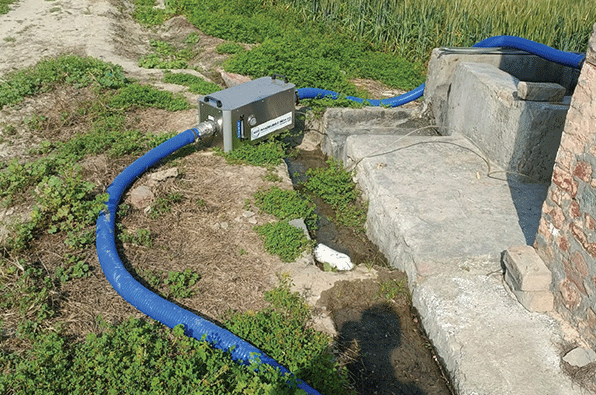
  • Technology: NICO AGNIROOT 30
  • Operation Type: Power-Free (Hydraulic Pressure Driven)
  • Start Date: 05 November 2024
  • Completion Date: 08 April 2025
Project Details

Objective

The study aims to evaluate the impact of oxygen nanobubble-enriched irrigation on wheat yield while comparing its performance with conventional irrigation methods. It also assesses the economic benefits by analyzing improvements in yield and overall revenue.

Pre-Implementation Challenges

Prior to the implementation of nanobubble technology, the farm experienced:
  • Suboptimal dissolved oxygen levels in irrigation water
  • Limited root zone aeration
  • Inefficient nutrient uptake
  • Average yield levels under traditional irrigation
  • Dependency on standard irrigation practices without enhancement
Pre-Implementation Challenges

Technology Implementation

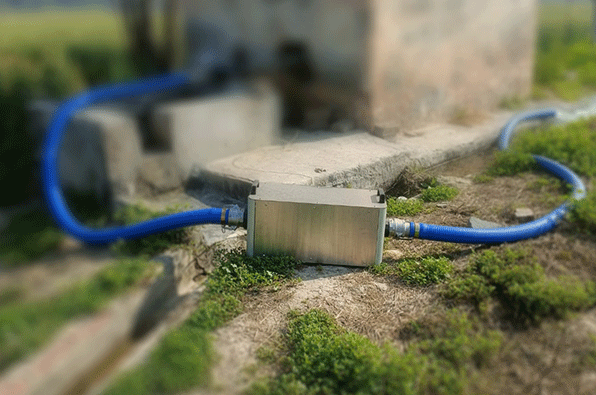
The NICO AGNIROOT 30 Nanobubble Generator was integrated into the existing irrigation system:
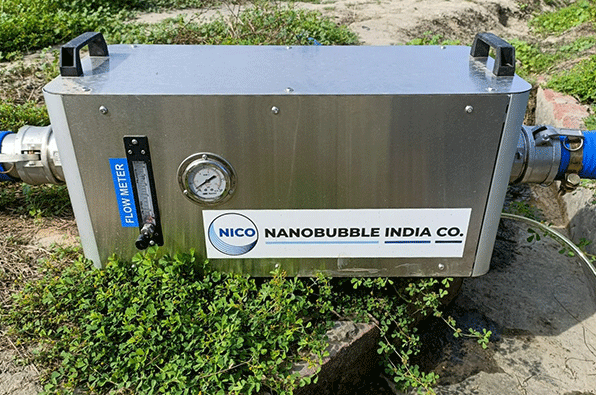
  • Installed directly on the borewell/irrigation pipeline
  • Operates without electricity, using existing line pressure
  • Utilizes ambient air supply (no oxygen concentrator required)
  • Produces ultra-fine oxygen nanobubbles (<200 nm)
  • Enhanced dissolved oxygen in irrigation water
  • Improved soil aeration and root respiration
  • Increased nutrient absorption efficiency
  • Support for beneficial microbial activity
  • Uniform distribution across irrigation basins
Technology Implementation

Performance Outcomes

Parameter Unit Result
Yield Increase % per acre +12.5%
Additional Yield kg per acre +240
Revenue Increase % +12.5%
Additional Income ₹ per acre ₹6,060 (based on MSP)
Wheat

Key Results and Impact

  • Higher Yield: Significant increase of 12.5% compared to traditional irrigation
  • Improved Crop Health: Stronger root systems and more uniform crop growth
  • Enhanced Profitability: Increased farmer income per acre
  • Water Efficiency: Better utilization of irrigation water
  • Chemical Optimization: Reduced dependency on fertilizers due to improved uptake
  • Power-Free Operation: No electricity required, reducing operational costs
  • Easy Integration: Seamlessly fitted into existing borewell and irrigation systems
  • Scalable Solution: Suitable for farms of all sizes

Conclusion

The successful implementation of nanobubble technology at Veer Singh’s farm in Abbaspur, Haryana demonstrates its effectiveness in improving wheat productivity and farm profitability.

The power-free, hydraulic pressure–driven system makes this solution highly practical for Indian agriculture, especially in areas with limited access to electricity.

This case study highlights the strong potential of nanobubble technology as a sustainable, cost-effective, and scalable solution for modern farming.